
Storm Damage Roof Repair in Ontario, CA
Reading Wind Damage on a Roof Before the Repair Estimate Is Written
Most storm damage in this market comes from wind, not hail, and wind damage is easy to underestimate from the ground. A roof that looks intact from a parking lot can have lifted edge metal, torn field seams, or a displaced rooftop unit that only becomes obvious once a crew walks the deck. We scope storm repair from an actual roof-level survey, because a repair estimate based on a drive-by look almost always misses the failure that will leak during the next event.
Why Santa Ana Wind Events Are the Dominant Storm Risk Here
The Inland Empire sees Santa Ana wind events running mainly from fall into early winter, and sustained gusts through the Cajon Pass and Banning Pass corridors can hit speeds that exceed the wind-uplift rating on an aging roof edge detail. Field membrane rarely fails first in these events. Edge metal, coping, and mechanically fastened perimeter details fail first, because wind uplift concentrates its force at the roof edge and corners before it ever reaches the open field. A roof with edge details that were never upgraded to current wind-design standards is the roof most likely to call us after a big gust event, regardless of how new the field membrane looks.
Winter Rain Events and What They Actually Expose
Atmospheric river storms are less frequent here than the wind events, but when they arrive they expose every drainage weakness a roof was already carrying. Undersized or partially clogged drains that never mattered during a dry season suddenly cause standing water measured in inches rather than a thin sheet, and ponding at that depth finds every marginal seam and flashing detail on the roof. We treat a major rain event as a stress test: whatever leaks during that storm was already a weak point, the storm just made it visible on a compressed timeline instead of over several seasons.
Documenting Damage the Way It Should Be Documented
A storm damage scope needs to separate pre-existing wear from storm-caused failure, because that distinction matters for budget planning and for any insurance conversation that follows. Our storm damage survey documents each affected area with dated photos, a description of the failure mode, wind or rain conditions from that event where available, and an itemized repair cost for that specific area. That level of specificity is also what makes a scope useful for insurance documentation support later, since a vague damage description is the single most common reason a claim scope gets challenged.
What a Storm Repair Scope Should Itemize
Whether the repair is paid out of pocket or through a claim, the scope should break out:
- Each damaged area by location on the roof, not a single lump total
- Edge metal and coping repair separately from field membrane repair
- Rooftop equipment displacement or curb damage, itemized by unit
- Drainage system repair or clearing, if ponding contributed to the damage
- A distinction between storm-caused damage and pre-existing deferred maintenance
That last line protects the owner from a claim denial and protects the contractor from a dispute later about what the storm actually caused.
Repairing Versus Upgrading the Edge Detail
A storm repair is also the moment to decide whether to simply restore the original edge detail or upgrade it to a higher wind-uplift rating. Restoring the original detail costs less today and may fail again in the next comparable event. Upgrading the fastening pattern and metal gauge at the edge costs more up front but is the more defensible long-term decision on a building that has already proven its edge detail is undersized for the wind this corridor produces. We price both options in the estimate and let the owner weigh the near-term savings against the repeat-failure risk.
Repair Timing Across a Building Portfolio
Owners managing several buildings across the Inland Empire, from Rancho Cucamonga distribution product to retail centers near Chino Hills and Montclair, rarely have every building damaged equally by the same event. We rank repair priority across a portfolio by occupancy risk and by the severity of the specific damage found, rather than by building order or lease size. A moderately damaged roof over an occupied fulfillment floor gets scheduled ahead of severe damage over a vacant or lightly used space, because the occupied building carries the higher cost if repair is delayed.
That prioritization also shapes crew scheduling after a widespread event. When the same storm hits ten buildings in a portfolio, we sequence the work with the owner rather than simply working through the list in the order calls came in, since a facilities team usually has better information than we do about which building can least afford to wait.
Storm Damage Questions Owners Ask
How do you tell storm damage from ordinary wear during an inspection?
Storm damage typically shows a specific failure pattern tied to wind direction or a documented rain total, while ordinary wear shows gradual, distributed deterioration across the roof. We describe both separately in the scope rather than blending them.
Should we file an insurance claim or just pay for the repair directly?
That depends on the damage size relative to a deductible and on the building's claim history. We provide the documented scope either way and let the owner or their broker make that call.
How fast should storm damage be repaired once it is found?
As soon as practical. Exposed insulation or an open seam left through a second storm event compounds the damage well beyond what the first event caused.
Can a roof be storm-damaged without an active leak showing up yet?
Yes, and this is common. Lifted edge metal or a cracked pitch pan can sit for weeks before the next rain event finally pushes water through, which is why a post-storm inspection matters even on a roof that has not leaked yet.
Do you upgrade edge details during storm repair or only restore the original?
We offer both and price them separately, since restoring the original detail is sometimes the right call on a roof nearing the end of its service life anyway.
Related
Ready to review the roof scope?
Request a Roof AssessmentProject List
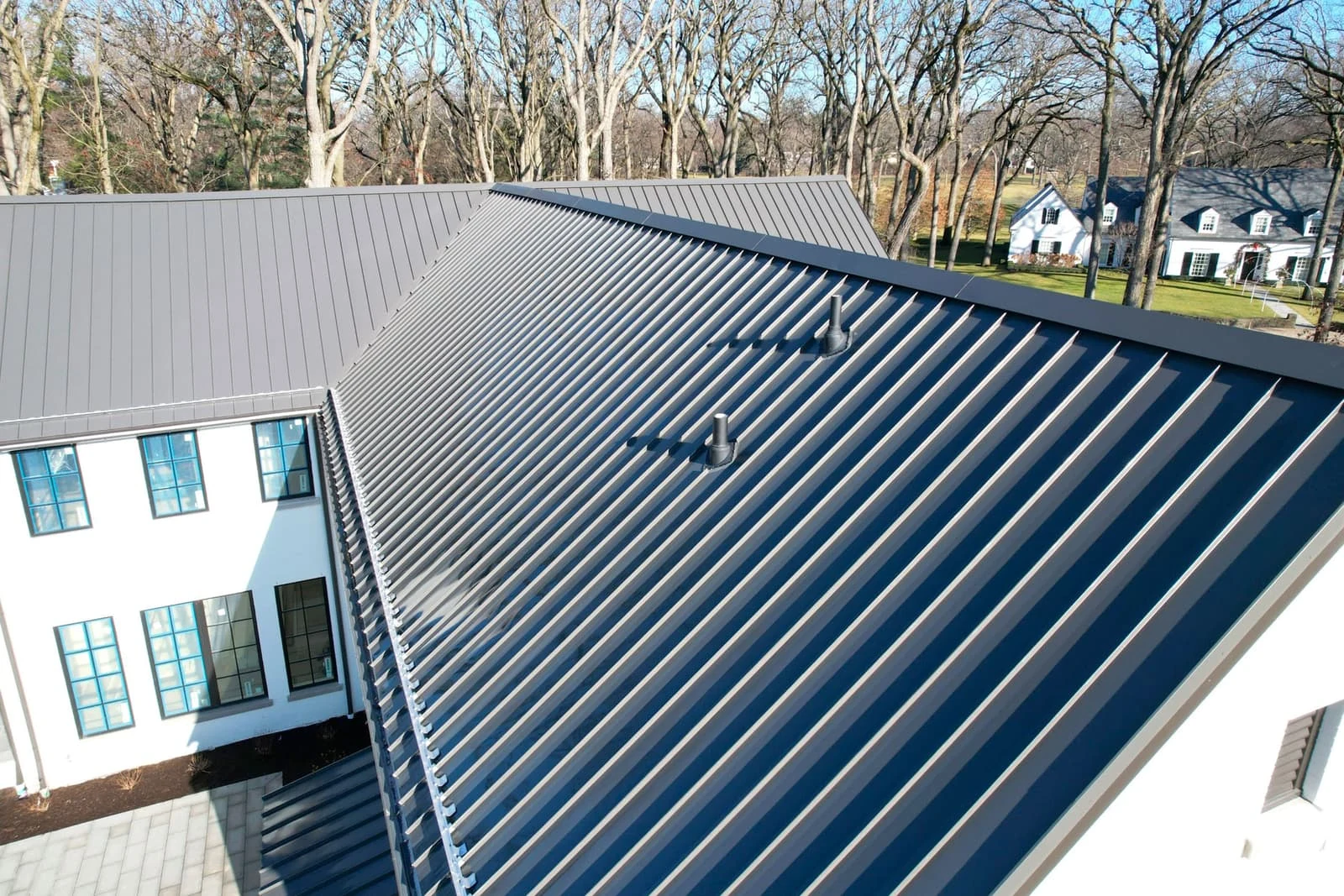
Commercial Roof Inspections & Reports in Ontario
Commercial roof inspections and condition reports in Ontario covering membrane, seams, flashings, drainage, penetrations, moisture indicators, photos, and next steps.
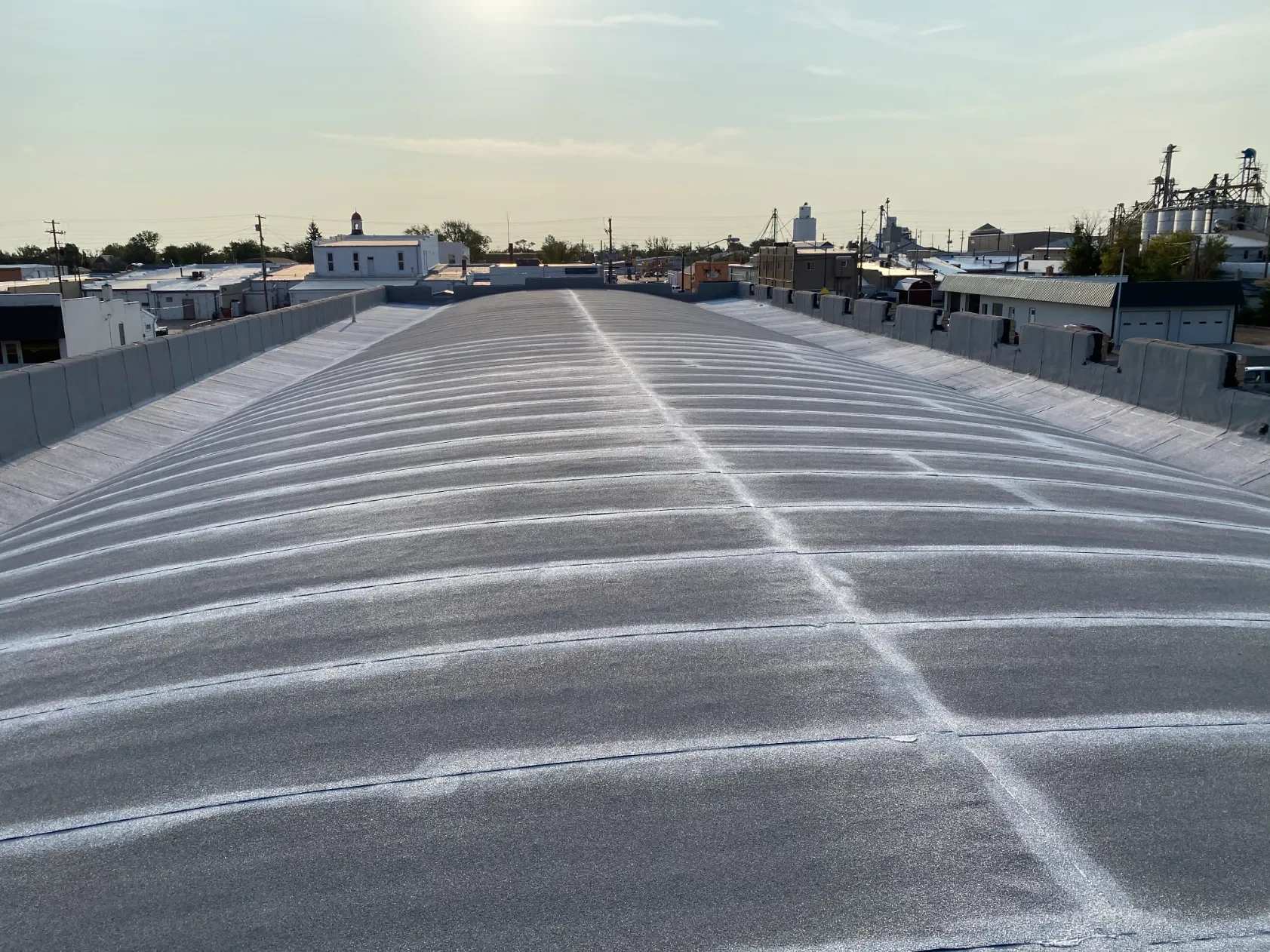
Commercial Roof Repair in Ontario
Commercial roof repair in Ontario with leak investigation, documented repair boundaries, emergency stabilization, and planned corrective work.
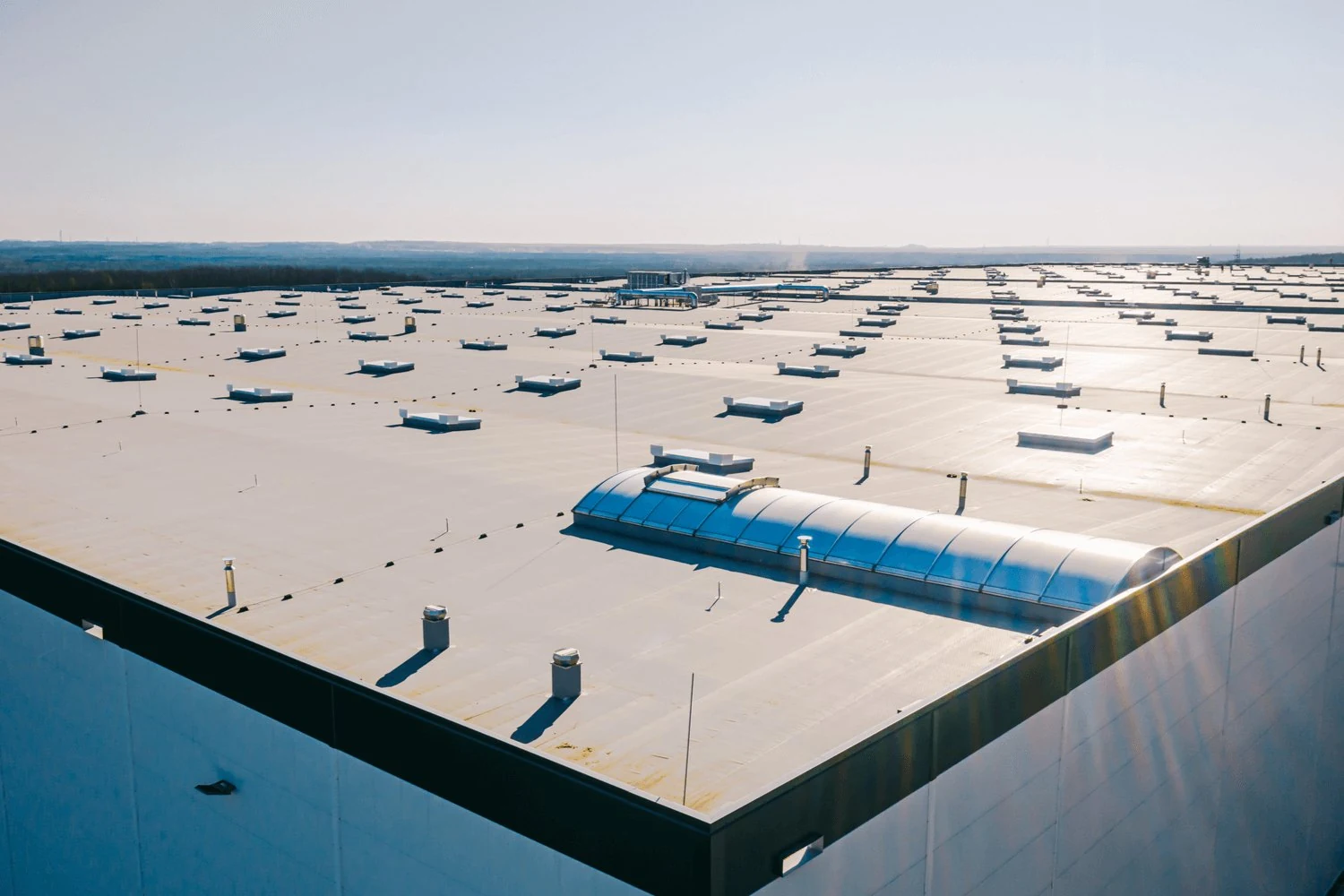
Commercial Roof Replacement in Ontario
Commercial roof replacement in Ontario with clear tear-off or recover scopes, system options, phasing, budgeting, and closeout documentation.
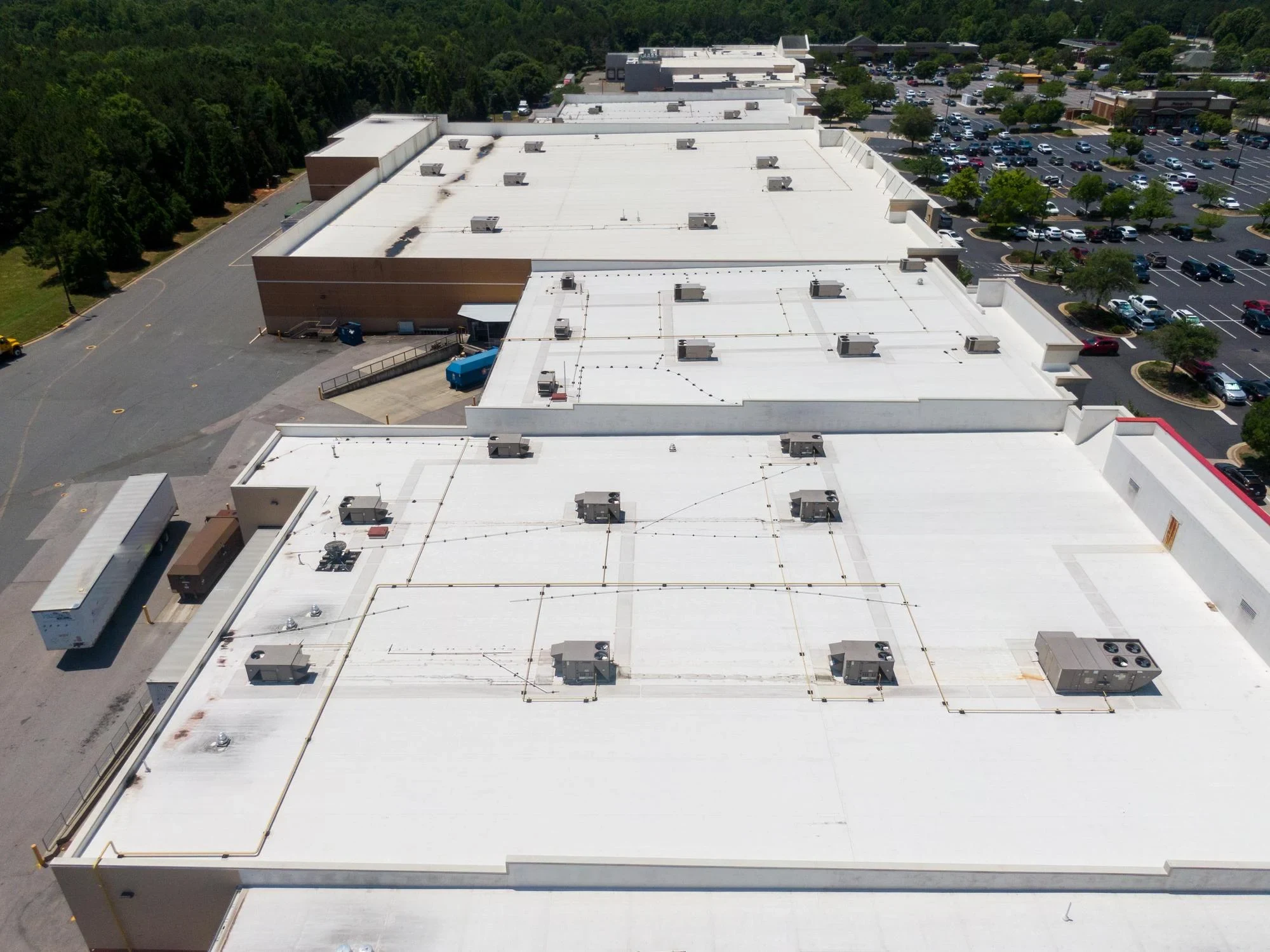
Commercial Reroofing in Ontario, CA
Commercial reroofing for Ontario, CA warehouses, retail, and airport hotels. Recover vs. replace math, Title 24 cool roof rules, and per-square-foot budgets.
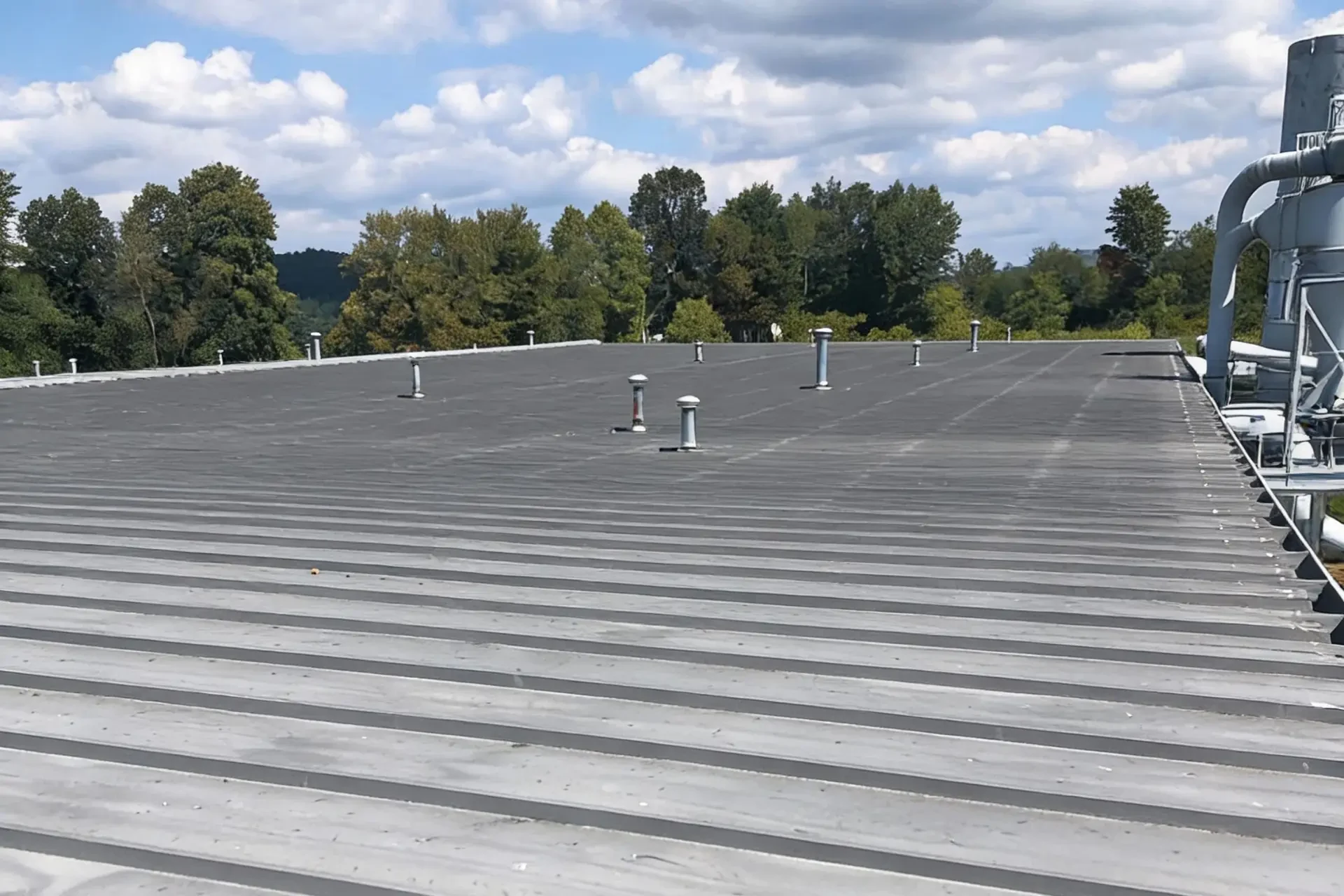
Commercial Roof Maintenance Programs in Ontario
Commercial roof maintenance programs in Ontario with scheduled inspections, drain and detail service, repair tracking, photos, and budget priorities.
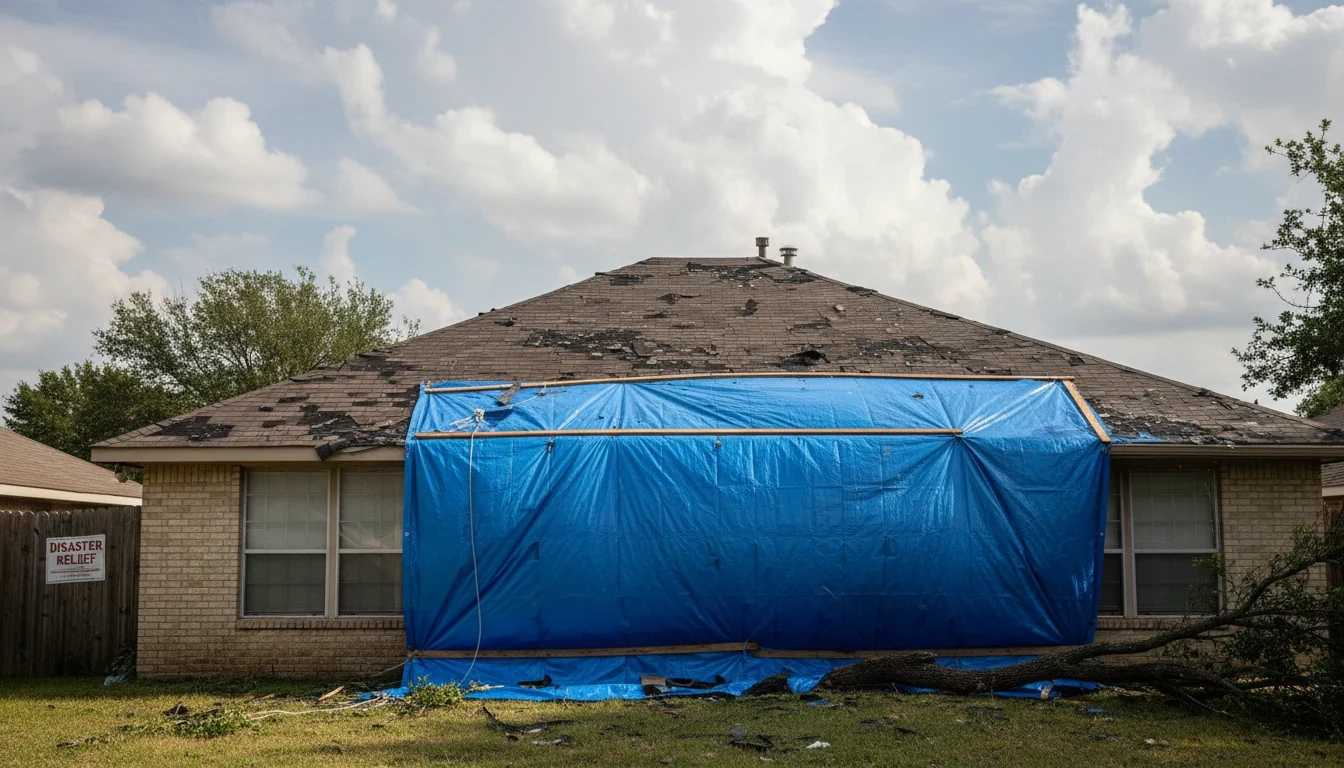
Emergency Tarp and Dry-In Service in Ontario, CA
Emergency roof tarp and dry-in service for Ontario, CA warehouses and distribution centers. Mobilization pricing and what stops active water fast.
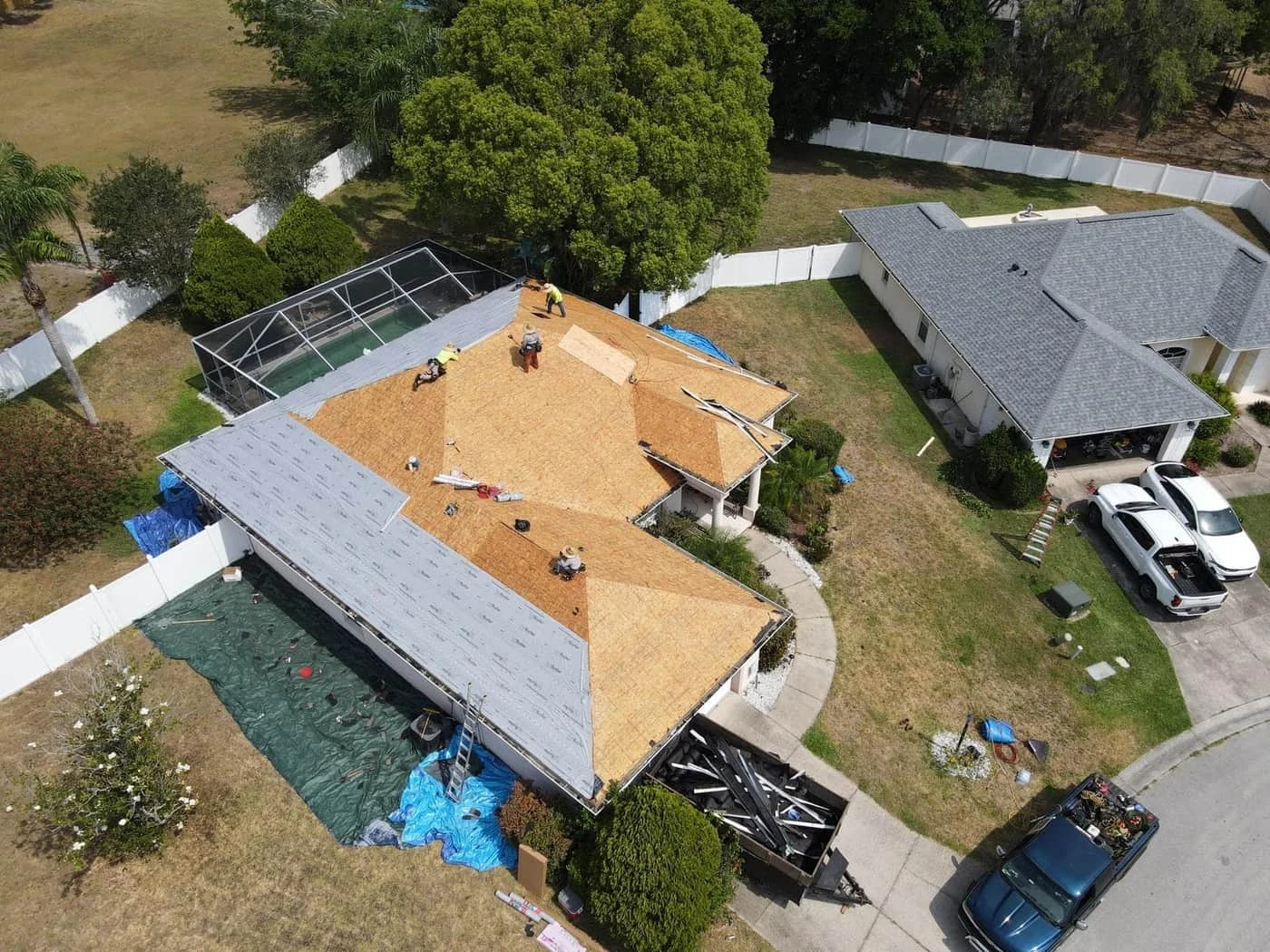
Storm Damage Roof Repair in Ontario, CA
Storm damage roof repair for Ontario, CA buildings hit by Santa Ana wind or winter rain events. Documented damage scopes and realistic repair budgets.
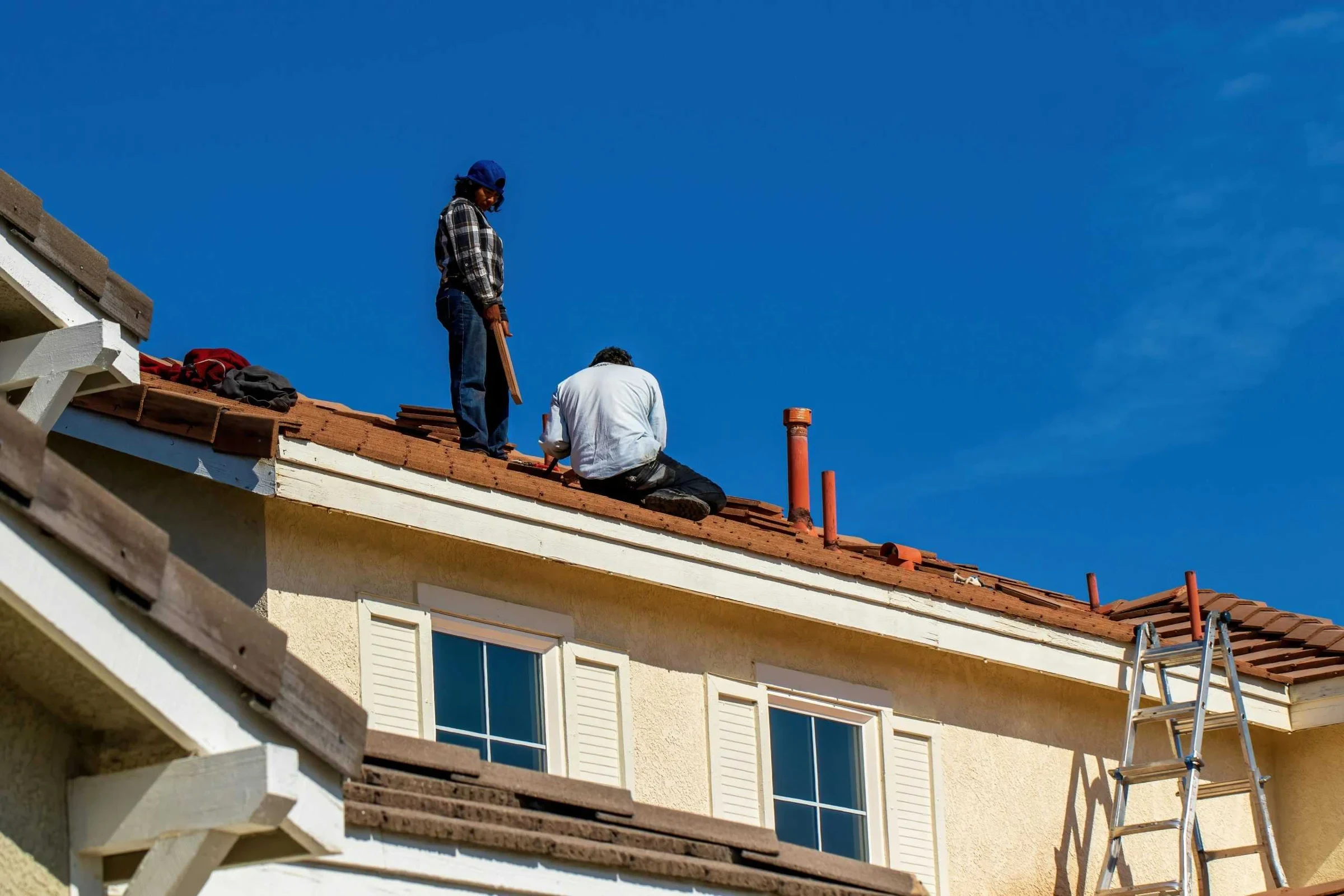
Roof Recover & Overlay in Ontario, CA
Roof recover and overlay for Ontario, CA warehouses. Moisture survey criteria, the two-covering code limit, and the real cost-per-square-foot math against tear-off.