
Modified Bitumen Roofing in Ontario, CA
Modified Bitumen Still Earns a Spot on Heavy-Traffic Roofs
SBS modified bitumen is asphalt roofing with rubber polymer blended in for flexibility, installed in multiple plies for redundancy that single-ply membranes don't carry by design. It costs more in labor than a single-ply system of comparable thickness, and on roofs with heavy mechanical traffic, frequent penetrations, or a foot-traffic-heavy maintenance schedule, that multi-ply redundancy is worth the added labor cost.
Three Installation Methods, Three Different Cost and Risk Profiles
Torch-applied mod bit uses an open flame to melt the asphalt backing and bond each ply, and it produces the strongest, most monolithic bond of the three methods. It also carries genuine fire risk on wood-decked buildings, and we restrict torch application on panelized wood decks common in Ontario's older industrial stock, or require a documented fire-watch protocol with water on hand and a hold time after the crew leaves the roof.
Cold-applied mod bit uses adhesive instead of heat to bond plies, eliminating the open-flame risk entirely at a labor cost premium for the adhesive application process. Self-adhered mod bit, sometimes called peel-and-stick, uses factory-applied adhesive backing and requires no torch or separate adhesive, trading some bond strength for installation speed and a meaningfully lower fire risk profile. On occupied buildings or wood-deck construction where torch work is restricted or simply not worth the liability, we default to cold-applied or self-adhered systems.
Base Ply, Cap Sheet, and Where the Redundancy Actually Helps
A typical mod bit assembly runs a base ply mechanically fastened or adhered to the insulation, followed by a granulated cap sheet that provides the finished, UV-resistant surface. That two-ply minimum is the source of the system's redundancy advantage: a puncture or blister in the top ply does not automatically mean a leak, because the base ply underneath is still intact and waterproofing on its own.
This matters on roofs we see constantly around manufacturing buildings and older facilities near Corona and Pomona, where decades of accumulated rooftop equipment, conduit runs, and repeated service access have left a penetration density that would stress a single-ply membrane's seam count. Mod bit's redundant plies and field-applied flashing tolerance handle that kind of busy roof better than a thermoplastic sheet good relies on fewer, cleaner seams.
Granulated Cap Sheets and the Reflectance Trade-Off
Standard granulated cap sheets come in dark, mineral-surfaced finishes that absorb heat rather than reflect it, which works against Title 24 cool-roof compliance on a triggered reroof. Manufacturers now offer reflective-granule cap sheets specifically formulated to meet cool-roof reflectance minimums without changing the underlying mod bit system, and we spec those on any project where the alteration threshold triggers code compliance. A dark cap sheet can also be field-coated afterward with a reflective coating; see our silicone roof coatings page for that option on an existing mod bit roof.
What a Complete Mod Bit Scope Looks Like
- Base ply attachment method matched to deck type, mechanically fastened or adhered
- Application method selected for fire risk profile: torch, cold-applied, or self-adhered
- Cap sheet granule finish specified for Title 24 reflectance where the scope requires it
- Polyiso insulation with tapered crickets at drains and low points
- Flashing detail work at penetrations, curbs, and parapet walls, field-formed rather than pre-fabricated
- Base flashing height and termination detailed to manufacturer warranty specification
Fire Watch Protocol on Torch-Applied Work
When torch application is the right call, structurally and by owner preference, we run a documented fire watch: a dedicated person monitoring for smoldering material during and for a set hold period after torch work concludes, with water and extinguishing equipment staged on the roof. That protocol is not optional paperwork on our jobs. Roof fires from unattended torch work are rare but entirely preventable, and the liability exposure for skipping the watch is not worth the time saved.
Cost Comparison Against Single-Ply Systems
Installed cost per square foot for mod bit generally runs higher than mechanically attached TPO of comparable service life, driven mostly by labor: multiple plies, more field-formed flashing work, and slower production rates per crew per day than rolling out a single-ply sheet. We quote both when a client's building profile makes the comparison a real question, and we're direct about which roofs actually benefit from mod bit's redundancy versus which ones are paying for durability they don't need.
Modified Bitumen Questions From Ontario Building Owners
Is mod bit outdated compared to single-ply membranes?
Not outdated, just a different tool. It costs more in labor but offers real redundancy advantages on high-traffic, heavily penetrated roofs where that trade-off pays for itself.
Can torch-applied mod bit go on my wood-deck building?
Only with a strict fire watch protocol, and on some buildings we recommend cold-applied or self-adhered instead specifically to avoid the open-flame risk on panelized wood construction.
How does mod bit handle Ontario's summer heat?
Reflective-granule cap sheets handle it well and meet Title 24 requirements. Standard dark granule finishes run hotter and age faster under sustained UV, which is why we push toward reflective options on triggered reroofs.
How many plies does a proper mod bit roof need?
Two is the practical minimum for real redundancy: a base ply plus a cap sheet. Some heavy-traffic specifications add a third ply, which we price as an option based on expected roof traffic.
Does mod bit work well with recover projects?
It can, provided the moisture survey comes back dry and the existing roof hasn't already hit the two-covering limit under California code. We evaluate that the same way we would for any recover scenario.
Related
Ready to review the roof scope?
Request a Roof Assessment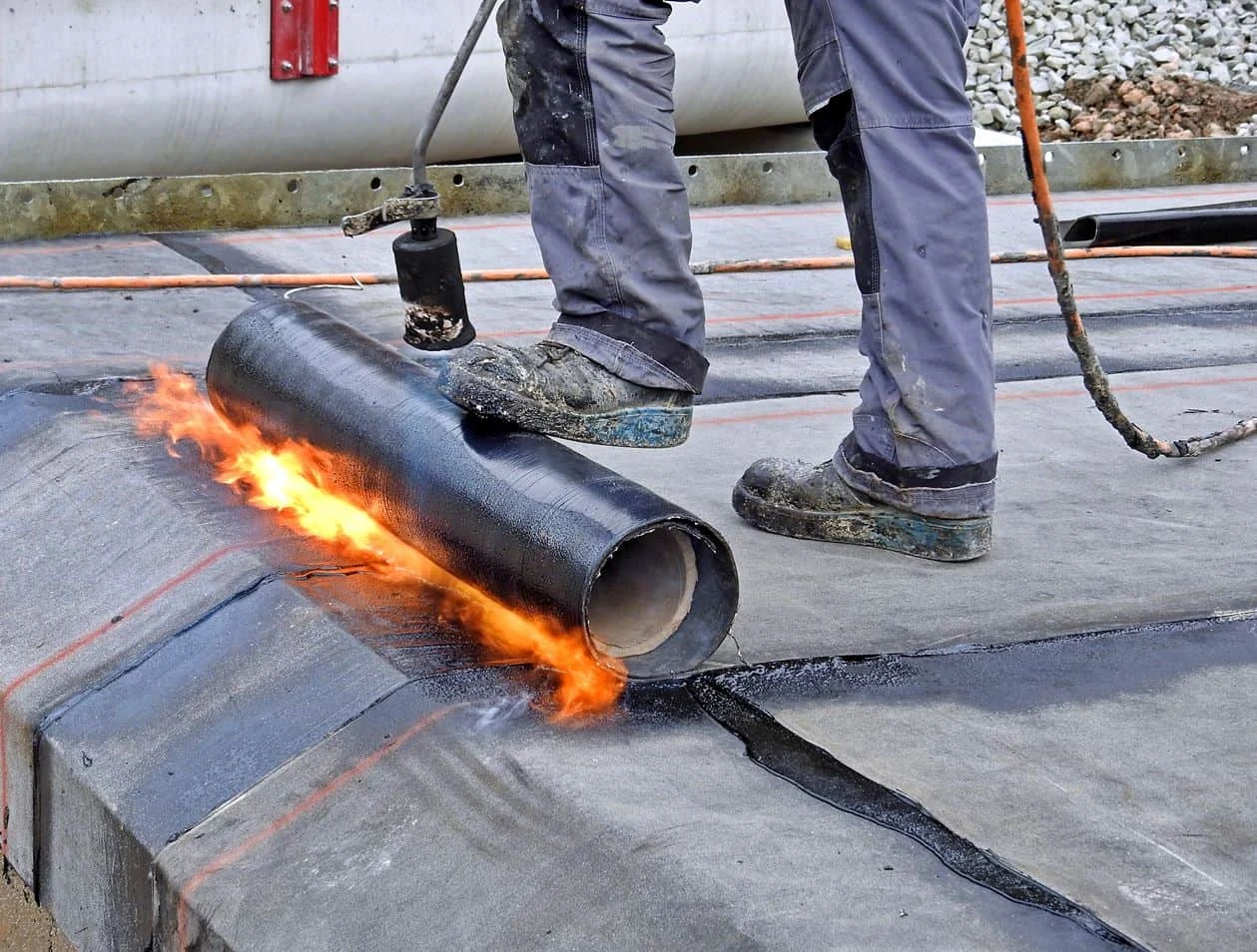
Project List
Commercial Roof Inspections & Reports in Ontario
Commercial roof inspections and condition reports in Ontario covering membrane, seams, flashings, drainage, penetrations, moisture indicators, photos, and next steps.
Commercial Roof Repair in Ontario
Commercial roof repair in Ontario with leak investigation, documented repair boundaries, emergency stabilization, and planned corrective work.
Commercial Roof Replacement in Ontario
Commercial roof replacement in Ontario with clear tear-off or recover scopes, system options, phasing, budgeting, and closeout documentation.
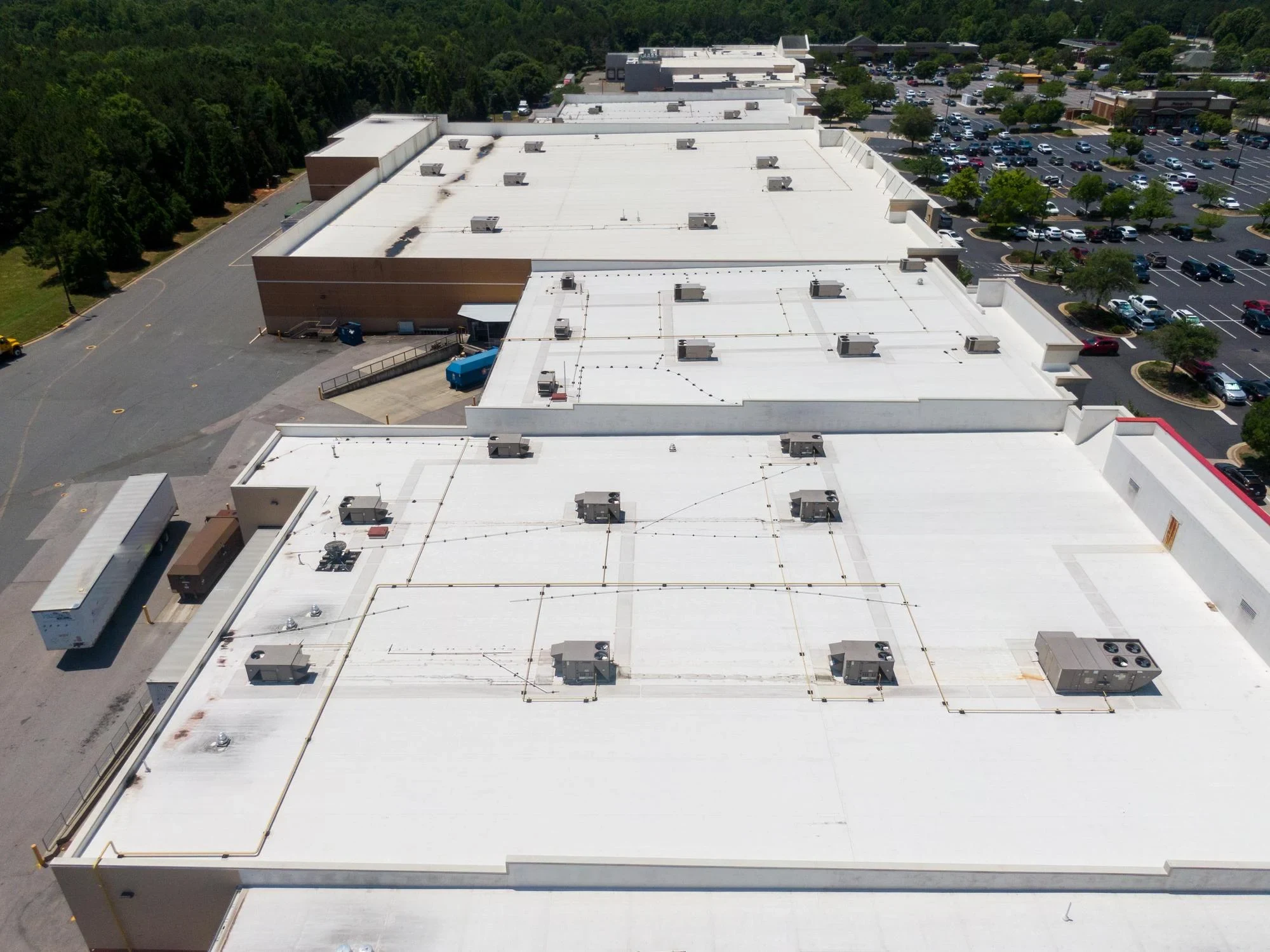
Commercial Reroofing in Ontario, CA
Commercial reroofing for Ontario, CA warehouses, retail, and airport hotels. Recover vs. replace math, Title 24 cool roof rules, and per-square-foot budgets.
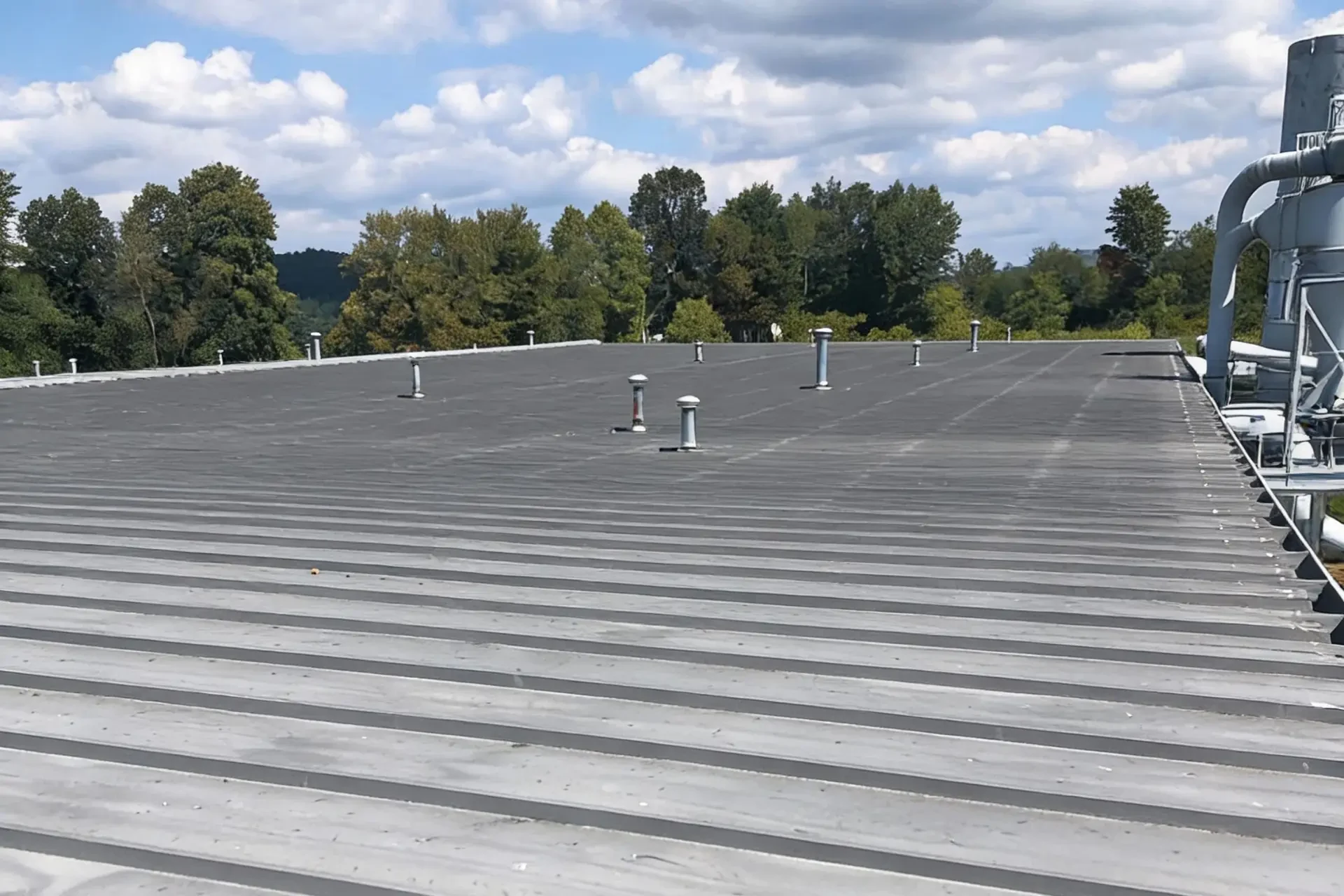
Commercial Roof Maintenance Programs in Ontario
Commercial roof maintenance programs in Ontario with scheduled inspections, drain and detail service, repair tracking, photos, and budget priorities.
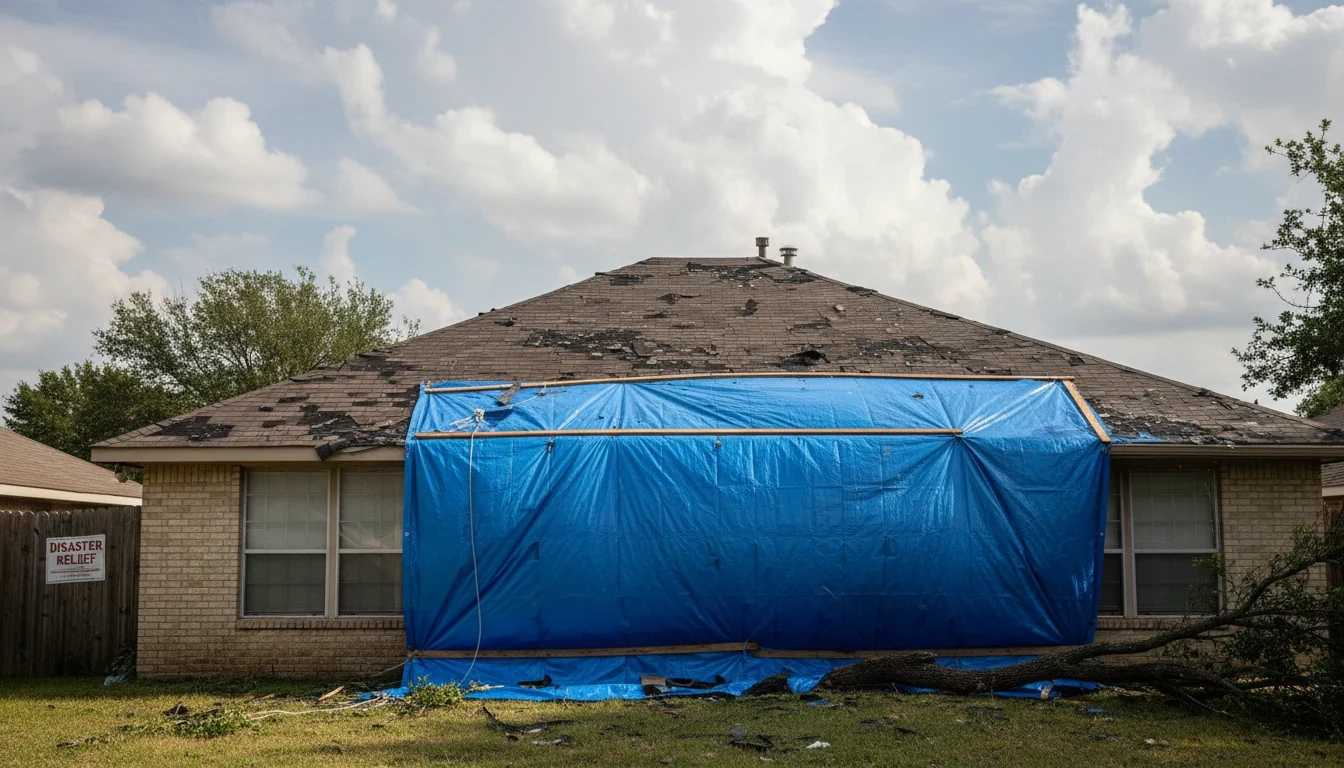
Emergency Tarp and Dry-In Service in Ontario, CA
Emergency roof tarp and dry-in service for Ontario, CA warehouses and distribution centers. Mobilization pricing and what stops active water fast.
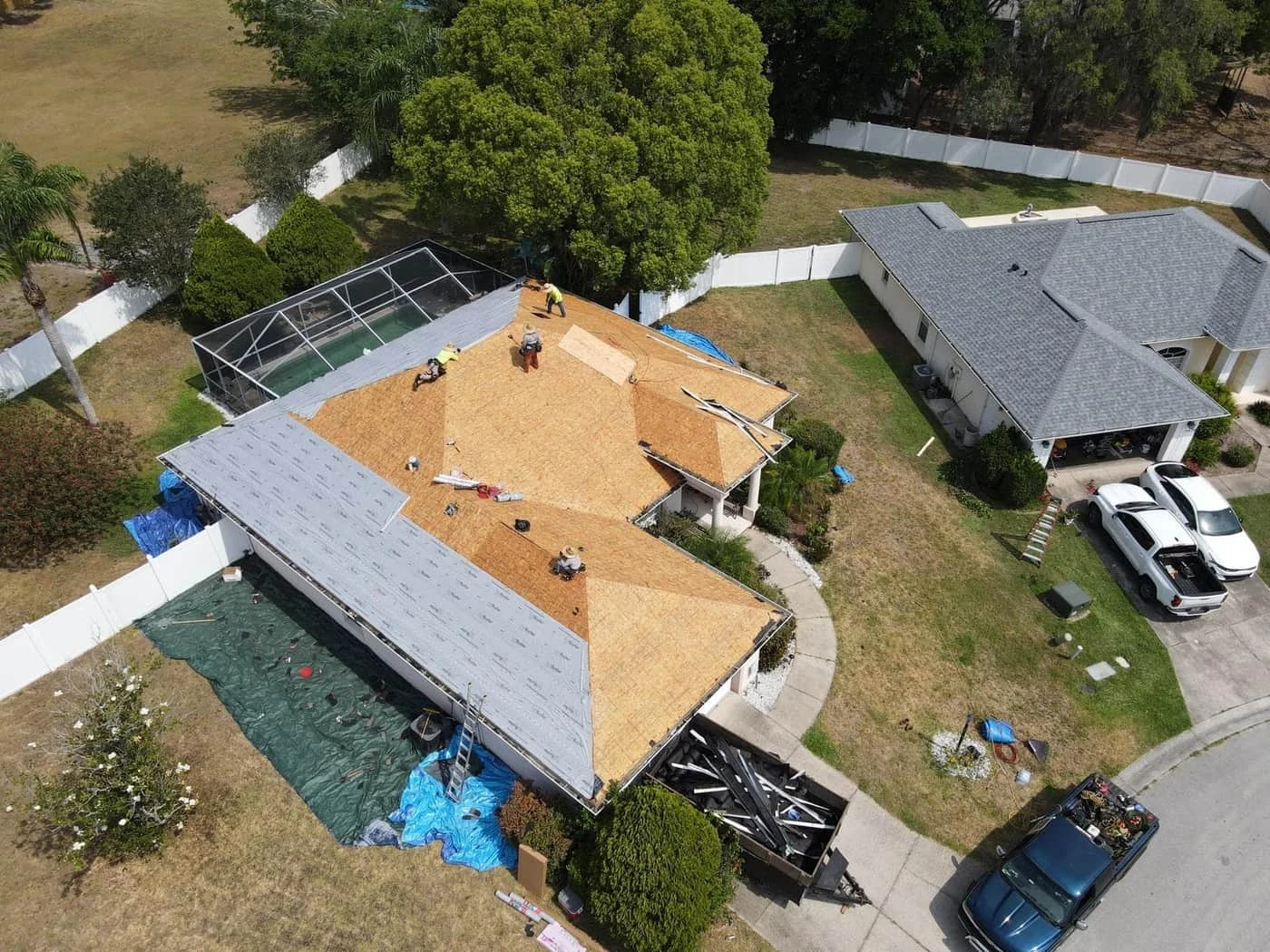
Storm Damage Roof Repair in Ontario, CA
Storm damage roof repair for Ontario, CA buildings hit by Santa Ana wind or winter rain events. Documented damage scopes and realistic repair budgets.
Roof Recover & Overlay in Ontario, CA
Roof recover and overlay for Ontario, CA warehouses. Moisture survey criteria, the two-covering code limit, and the real cost-per-square-foot math against tear-off.