
TPO Single-Ply Roofing in Ontario, CA
Why TPO Wins Most Bids on Ontario's Warehouse Roofs
TPO is the default membrane on the majority of the low-slope roofs we bid in this market, and the reasons are practical rather than fashionable. It ships white and reflective out of the factory, it welds instead of glues, and its material cost per square foot sits below PVC while still handling the heat this valley throws at a roof. Here is how we price it and where it stops being the right answer.
Mil Thickness Is a Line Item, Not a Footnote
We quote TPO in three common thicknesses: 45-mil, 60-mil, and 80-mil. The material cost spread between them is real but modest compared to the labor cost of installing the roof once. A 45-mil membrane is thinner, has less puncture resistance, and shows more scarring from foot traffic over a fifteen-year hold. On a warehouse roof with rooftop units, catwalks, and routine mechanical service traffic, we generally push clients toward 60-mil as the practical floor.
80-mil earns its premium on roofs with heavy or unusual traffic: solar-ready structures, roofs supporting frequent HVAC changeouts, or buildings near Ontario Mills and the convention center where signage crews and event riggers are on the roof more often than a typical distribution building. The extra mil thickness buys years of service life against foot traffic wear, which we translate into a lifecycle cost per square foot rather than just quoting the sticker price.
Attachment Method Changes the Wind and Fire Numbers
Mechanically attached TPO uses plates and fasteners driven through the membrane into the deck, spaced to a wind uplift calculation for the building's height and exposure. Fully adhered TPO is bonded across the whole field with adhesive, which costs more in labor but eliminates the fastener pattern and generally performs better in high-wind uplift zones. Ballasted TPO, held down with stone or pavers, is rare on this building type because the dead load penalty rarely clears structurally on panelized wood decks.
Rancho Cucamonga's industrial parks and the newer product in Eastvale and Ontario Ranch see enough exposed, high-parapet roof area that we run a real wind uplift calculation rather than defaulting to a standard fastening pattern. Santa Ana wind events are the actual design load here, not a hypothetical, and an underspecified fastening pattern is the single most common cause of TPO field failures we get called to repair.
Heat-Welded Seams: Where Installation Quality Actually Shows
TPO seams are hot-air welded, and weld quality is the single biggest variable between a roof that lasts twenty-plus years and one that leaks at the seams within five. We probe every seam with a cotton swab test during installation and again at the final walk, and we keep weld-temperature logs by roof zone so a callback can be traced to a specific day and crew rather than guessed at.
Cold morning starts in the Inland Empire winter change weld temperature requirements, and crews rushing a large roof to beat a rain window are the most common source of a marginal weld. We build weather delay into the schedule rather than push a crew to weld outside spec.
What Drives Title 24 Compliance on a TPO Reroof
Ontario sits in California climate zone 10, and TPO's factory-white surface generally clears the aged solar reflectance and thermal emittance minimums without a separate coating step, which is one reason it wins Title 24-triggered reroof bids against darker membranes. We still document the specific product's rated values on the compliance forms rather than assuming every white membrane qualifies automatically, because reflectance can vary by manufacturer and formulation.
A complete TPO scope on a warehouse reroof in this market typically includes:
- Membrane thickness and attachment method matched to the wind uplift zone and hold period
- Polyiso insulation meeting current continuous R-value for climate zone 10
- Tapered insulation or crickets at low points to eliminate standing water
- Fully welded seams with documented probe testing by zone
- Edge metal and coping rated to ANSI/SPRI ES-1 for the building's exposure
- Pipe boot, curb, and penetration flashing detailed to manufacturer warranty requirements
Where PVC or EPDM Beats TPO Instead
TPO is not automatically correct everywhere. Kitchen exhaust grease exposure and some chemical processing environments degrade standard TPO formulations faster than PVC, which handles those exposures better. See our PVC roofing page for that comparison. On tight-budget recover projects where reflectance and welding aren't the deciding factor, EPDM sometimes prices lower per square foot; we quote both when the building profile makes it a genuine question rather than assume TPO by default.
Questions We Get About TPO on Inland Empire Roofs
How long does a TPO roof actually last here?
A properly specified 60-mil or 80-mil TPO system with sound welds typically runs fifteen to twenty-five years in this climate, with performance driven more by installation quality and traffic than by the membrane itself.
Does TPO handle the summer heat without problems?
Yes, that is one of its strengths. The white surface reflects a large share of solar load, which keeps the membrane cooler than dark alternatives and slows the UV aging that eventually causes brittleness.
Is mechanically attached or fully adhered the better choice for my building?
It depends on parapet height, roof exposure, and deck type. We run the wind uplift math for your specific building rather than quoting a default, since the wrong answer on a high-exposure Ontario Ranch roof shows up as blow-off during the next Santa Ana event.
Can TPO go over my existing roof?
Sometimes, if the moisture survey comes back dry and you have not already used up the two-covering limit under California code. See our recover and overlay page for how we evaluate that option.
What voids a TPO manufacturer warranty fastest?
Unauthorized rooftop penetrations after installation and foot traffic damage from other trades are the most common causes we see. We document existing conditions at completion specifically so a later warranty claim has a clean baseline to compare against.
Related
Ready to review the roof scope?
Request a Roof Assessment
Project List
Commercial Roof Inspections & Reports in Ontario
Commercial roof inspections and condition reports in Ontario covering membrane, seams, flashings, drainage, penetrations, moisture indicators, photos, and next steps.
Commercial Roof Repair in Ontario
Commercial roof repair in Ontario with leak investigation, documented repair boundaries, emergency stabilization, and planned corrective work.
Commercial Roof Replacement in Ontario
Commercial roof replacement in Ontario with clear tear-off or recover scopes, system options, phasing, budgeting, and closeout documentation.
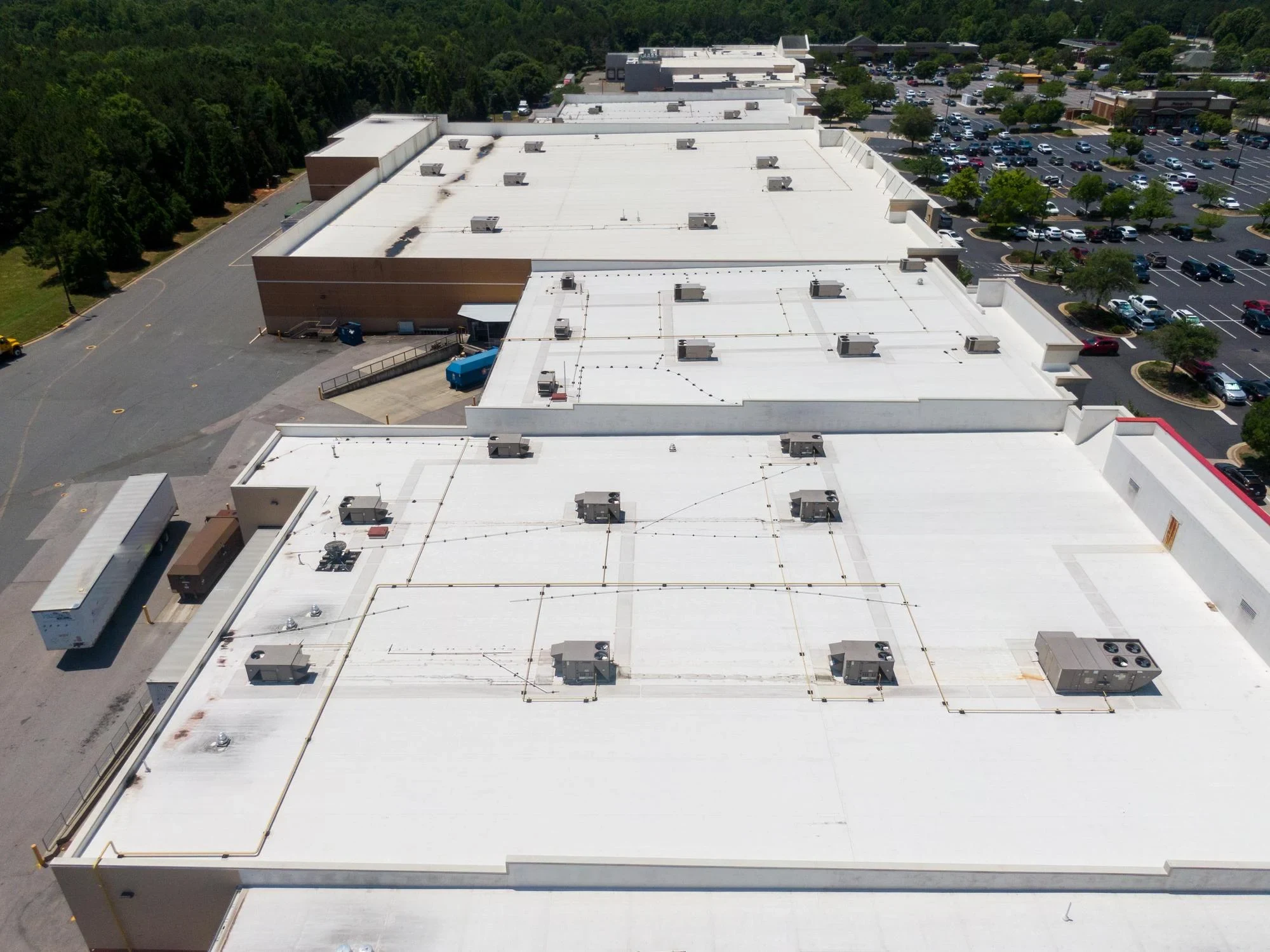
Commercial Reroofing in Ontario, CA
Commercial reroofing for Ontario, CA warehouses, retail, and airport hotels. Recover vs. replace math, Title 24 cool roof rules, and per-square-foot budgets.
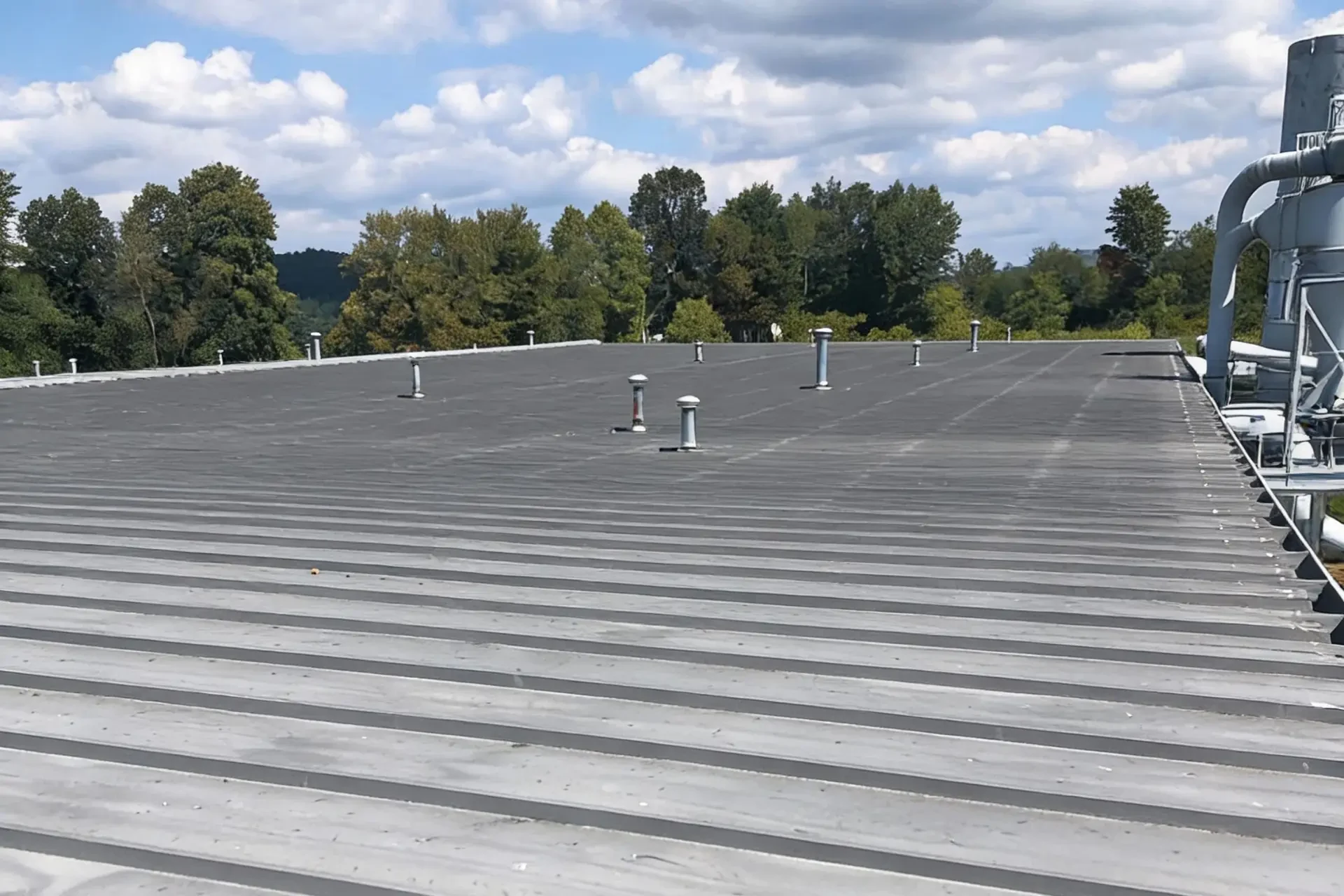
Commercial Roof Maintenance Programs in Ontario
Commercial roof maintenance programs in Ontario with scheduled inspections, drain and detail service, repair tracking, photos, and budget priorities.
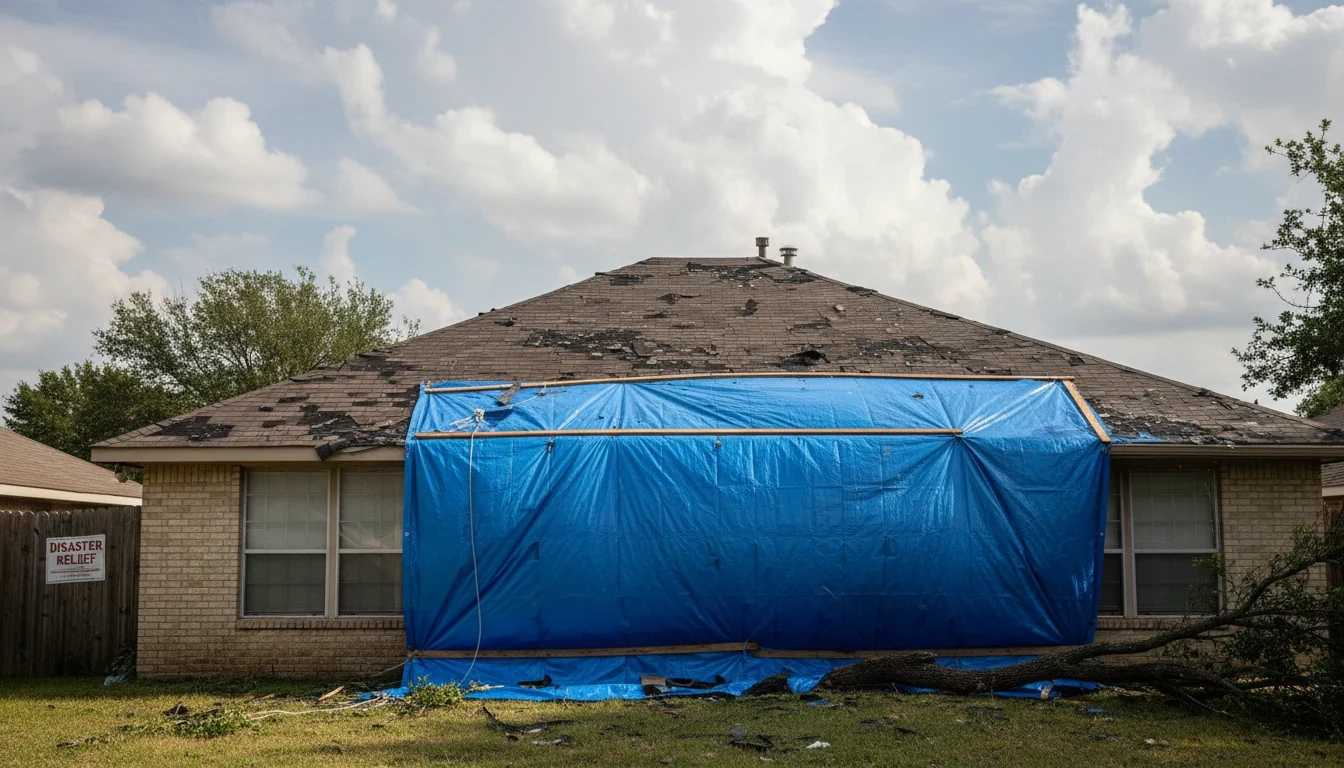
Emergency Tarp and Dry-In Service in Ontario, CA
Emergency roof tarp and dry-in service for Ontario, CA warehouses and distribution centers. Mobilization pricing and what stops active water fast.
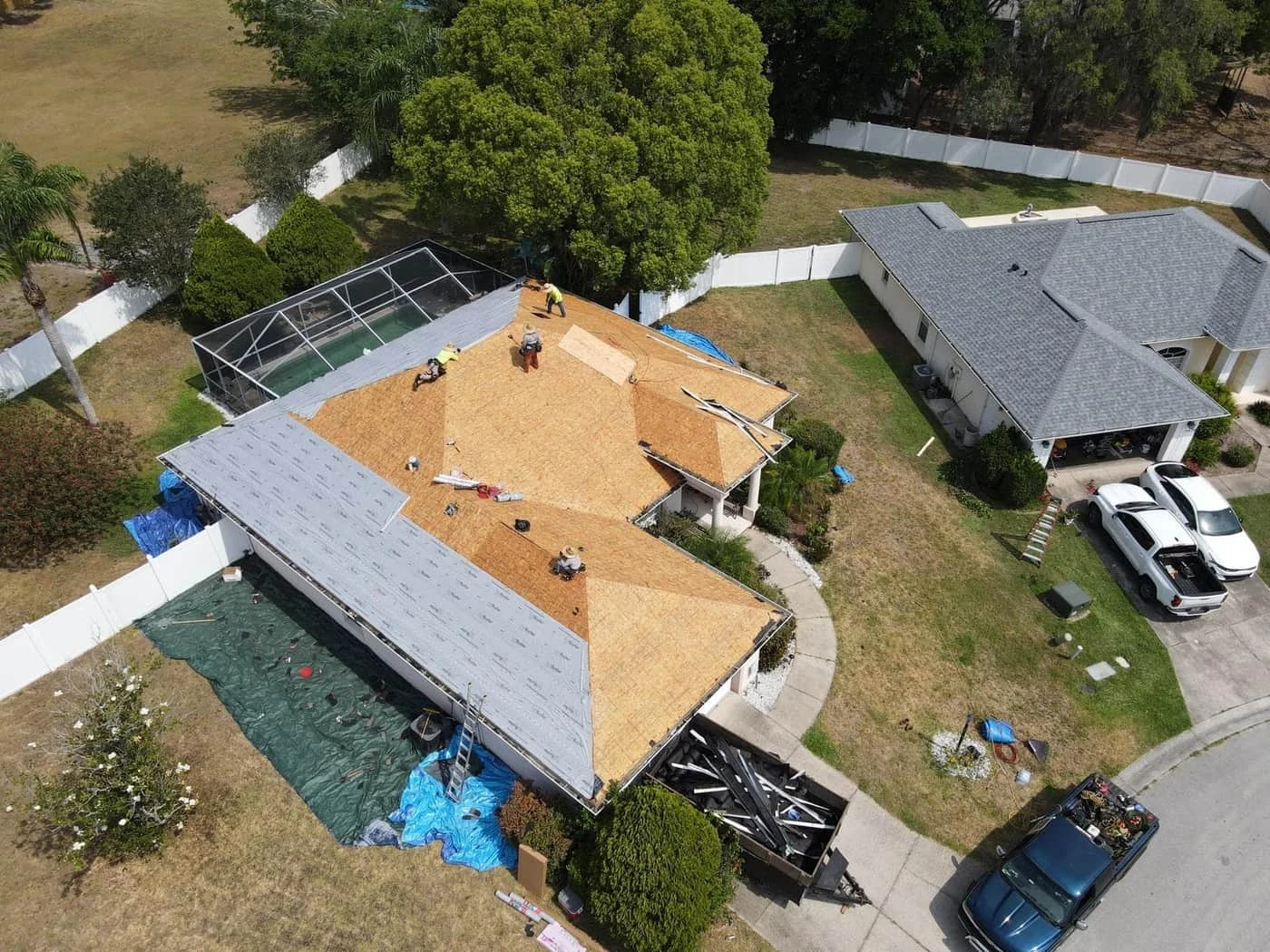
Storm Damage Roof Repair in Ontario, CA
Storm damage roof repair for Ontario, CA buildings hit by Santa Ana wind or winter rain events. Documented damage scopes and realistic repair budgets.
Roof Recover & Overlay in Ontario, CA
Roof recover and overlay for Ontario, CA warehouses. Moisture survey criteria, the two-covering code limit, and the real cost-per-square-foot math against tear-off.