Repair
Best when the roof is generally serviceable and the failure can be isolated to seams, penetrations, flashings, drains, edges, or storm damage.
Explore commercial roof repair ServicesRoof SystemsIndustriesProject TypesService AreasContactRoof Help
Active leak, aging flat roof, or a replacement decision coming up? Start with the problem in front of you. Get clear inspection findings and a practical next step for the building.
Roof work should protect inventory, tenant operations, loading schedules, equipment, and the people below. Tell us what cannot be interrupted.
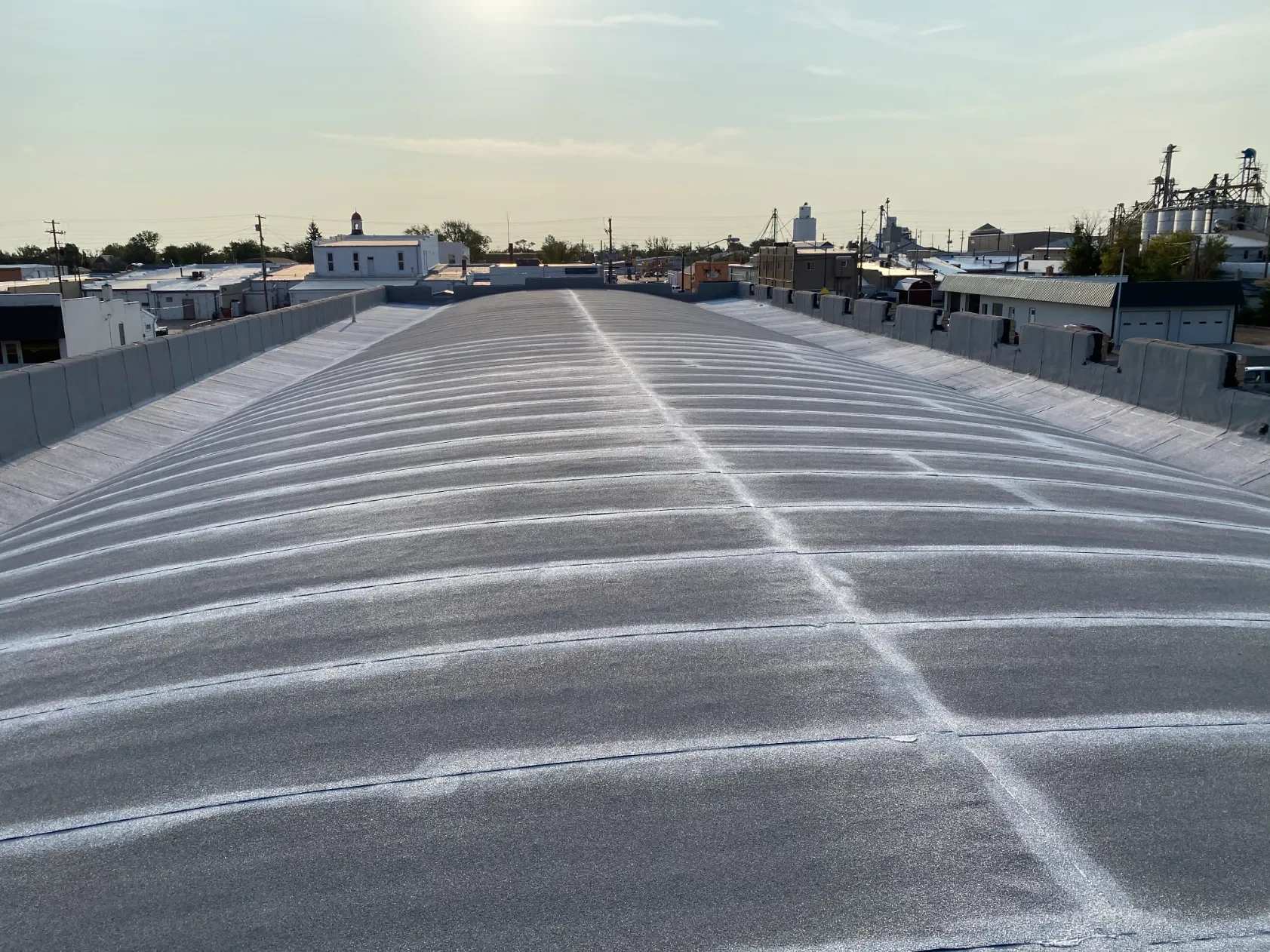
A leak request should not disappear into a general estimate queue. Share the building, leak area, interior impact, roof access, and timing. That gives the field team a better starting point.
Emergency repair can solve today’s opening. The follow-up inspection shows whether the leak is isolated or part of a larger roof condition.
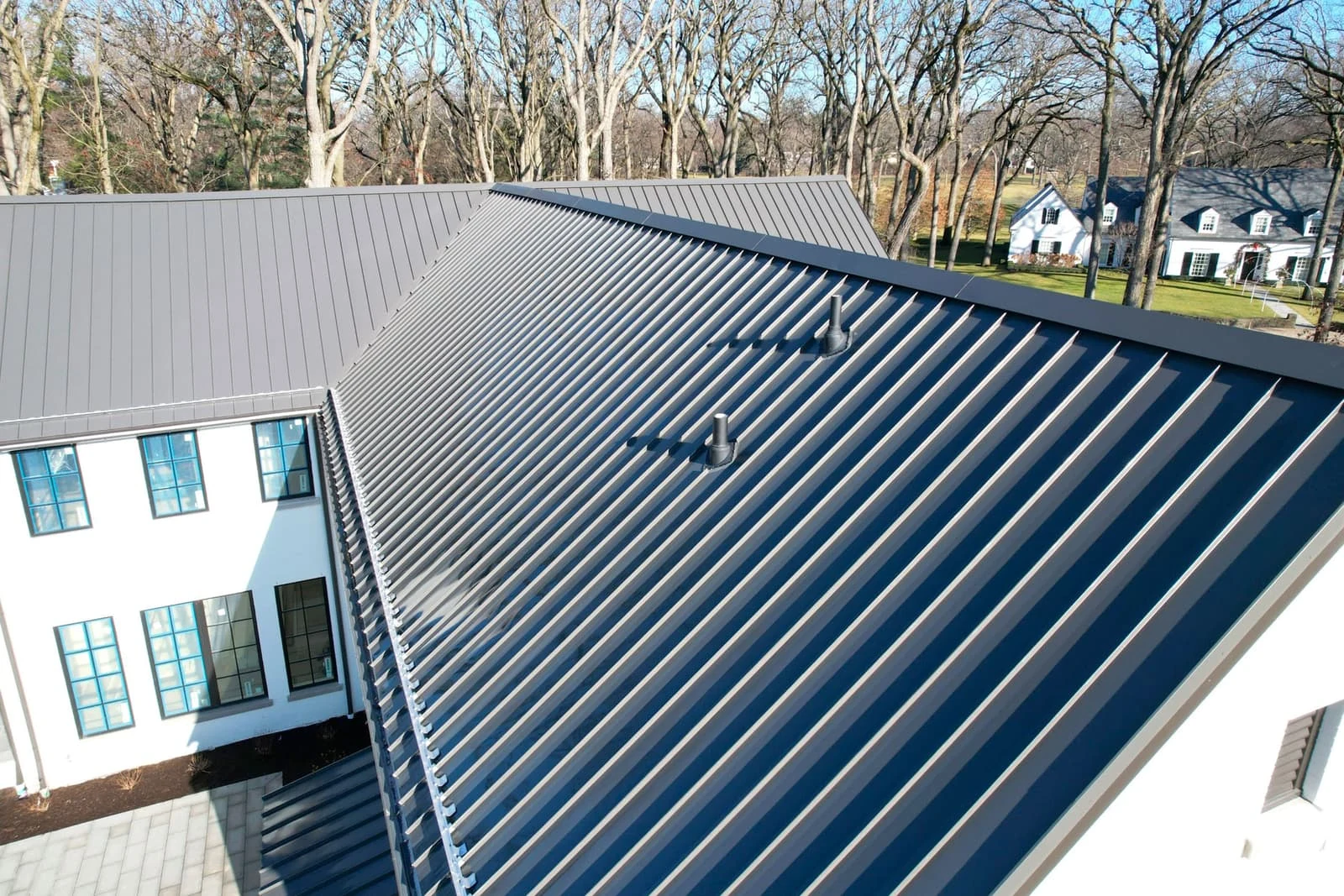
A commercial flat roof replacement inspection should answer more than whether the roof is old. It should document where water can enter, how the roof drains, what condition the membrane and details are in, and where moisture or deck concerns may change the scope.
Use the findings to compare targeted repair, restoration, recover, phased replacement, and tear-off without treating every roof problem like the same project.
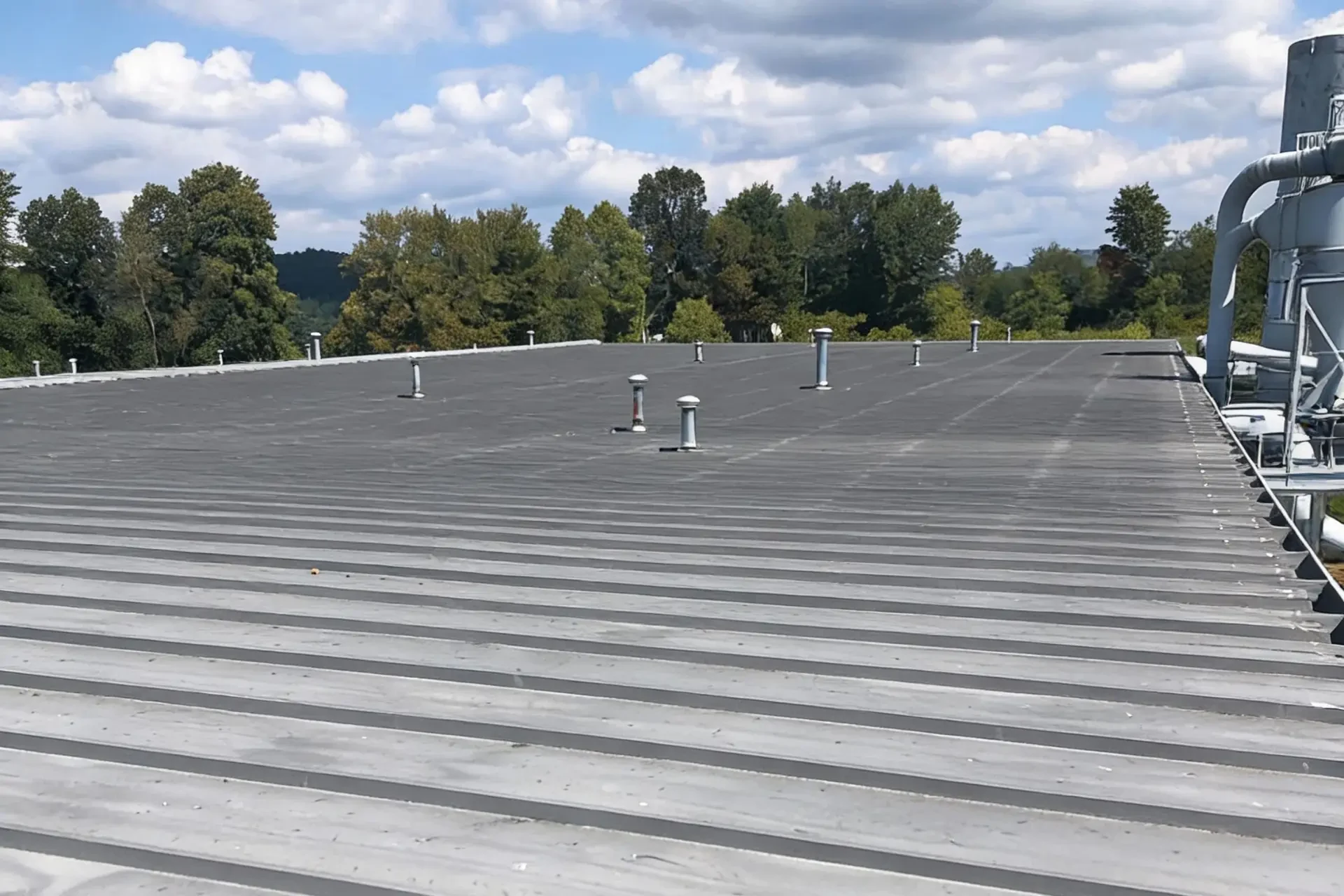
A service agreement gives the property team a repeatable way to inspect trouble spots, document changes, address maintenance items, and keep roof records together.
It is especially useful for portfolios, warehouses, tenant-heavy properties, and facilities where an unplanned leak can disrupt production or damage stored goods.
The right answer depends on moisture, deck condition, drainage, attachment, existing layers, roof details, remaining service life, budget, and how long the property will be held.
Best when the roof is generally serviceable and the failure can be isolated to seams, penetrations, flashings, drains, edges, or storm damage.
Explore commercial roof repairWorth reviewing when the roof is dry enough, stable enough, and compatible with the proposed restoration or recover system.
Explore roof coatingsOften the stronger path when trapped moisture, failed insulation, deck concerns, repeated repairs, or existing layers limit shorter-term options.
Explore roof replacementThe roof scope has to fit what happens inside and around the building. Access, deliveries, inventory, temperature control, tenant traffic, and equipment all matter.
Protect racking, goods, docks, traffic lanes, and receiving schedules while roof work moves across large footprints.
Plan around production, exhaust, penetrations, process equipment, shutdown windows, and interior protection.
Review vapor, insulation, temperature, hygiene, drainage, and operational risk before the assembly is disturbed.
Use consistent inspection records and priorities across multiple buildings without forcing every property into the same scope.
Share the leak, roof concern, property type, access, interior impact, and timing.
Review visible system condition, details, drainage, moisture indicators, and failure points.
Place repair, maintenance, coating, recover, and replacement against the same roof facts.
Align scope, building protection, phasing, access, schedule, and decision documentation.
Often, yes. A field review should determine whether the opening is isolated and whether the surrounding membrane, insulation, details, and deck remain serviceable. Repeated leaks or wet insulation may point to a larger scope.
It should document the existing roof system, visible membrane condition, flashings, penetrations, edges, drainage, patch history, moisture indicators, access, and conditions that could affect repair, recover, coating, or tear-off.
A coating can be a strong restoration option only when the existing roof is a suitable candidate. Adhesion, moisture, substrate condition, drainage, preparation, details, and manufacturer requirements all affect the decision.
Coverage varies, but a useful program can include scheduled inspections, documentation, maintenance items, leak-response procedures, photo records, and planning notes for future repair or capital work.
Many projects can be sequenced by roof area, budget cycle, tenant, production zone, or operational window. The phasing plan still has to account for drainage, tie-ins, interior protection, access, and warranty requirements.
Use the short form for an active leak, inspection and report, service agreement, coating review, or replacement plan. Include the property and timing so the request can be routed correctly.
Email follow-up is also available at [email protected].