
Built-Up Roofing (BUR) in Ontario, CA
What to Do With a Building That Still Has a Gravel Roof
Built-up roofing, the hot-mopped layers of asphalt and felt finished with a gravel or mineral cap, is the oldest system we still find on Inland Empire buildings, and most of what remains here is nearing or past the point where new BUR is the right answer. We still get asked to bid it, repair it, and, most often, tell an owner honestly why it is time to move to something else.
How Traditional BUR Is Built
A classic built-up roof runs multiple plies of asphalt-saturated felt, each mopped down with hot asphalt, finished with a flood coat and embedded gravel or slag ballast for UV protection and fire resistance. The redundancy is similar in principle to modified bitumen's multi-ply approach, but BUR predates the rubber-modified polymers that make mod bit more flexible and crack-resistant. On a building where the assembly is sound and dry, that redundancy still works. The problem in this market is rarely the concept; it's the age of what's already up there.
Why So Many Buildings Here Already Carry Too Much Roof
The older industrial corridors around Mission Boulevard, the Guasti district, and parts of Pomona were largely built out with BUR as the original roof system decades ago, and many of those buildings have since had a modified bitumen or coating system installed directly over the original gravel roof rather than a proper tear-off. California code caps a roof at two coverings, and we routinely find buildings that already carry BUR plus one or two subsequent overlays, meaning the recover option is gone before we even start the estimate.
Gravel ballast itself is heavy: a saturated built-up roof with its gravel cap can weigh in the range of several hundred to over a thousand pounds per roofing square, and that dead load sits on panelized wood decks that were engineered for the original design load, not for decades of accumulated moisture absorption in aging felt plies. When we quote a tear-off on one of these roofs, the debris tonnage and disposal cost line item is often larger than clients expect, precisely because of how much material is coming off.
When New BUR Still Makes Sense
- Roofs with heavy, sustained foot traffic where gravel ballast provides real physical protection to the plies below
- Buildings where fire-resistance ratings specifically call for a mineral-surfaced BUR assembly
- Structures with sufficient dead-load capacity confirmed by a structural engineer, typically newer steel-deck construction rather than older panelized wood
- Owners with a strong preference for a field-proven, decades-long track record over newer membrane technology
Why Most of Our BUR Bids Turn Into Replacement Bids
When we walk a roof that still has its original built-up system, three things usually decide the outcome. First, a moisture survey frequently finds saturated insulation under decades-old felt, since BUR seams and flashings degrade slowly and predictably over time. Second, the layer count is often already at the code maximum. Third, the dead load penalty of a like-for-like gravel replacement rarely clears the structural capacity of the panelized wood decks common on 1970s and 1980s Ontario-area construction. Put those three together and a straightforward re-cap of the existing BUR is rarely the honest recommendation.
What we typically recommend instead is a full tear-off to the deck, with the new assembly built in TPO, PVC, or modified bitumen depending on the building's traffic and exposure profile. See our tear-off and replacement page for how we price and phase that work on large industrial roofs.
What a New BUR Scope Includes When It's the Right Call
On the buildings where new built-up roofing genuinely is the correct specification, a complete scope covers:
Structural verification of dead-load capacity before design begins, base sheet mechanically fastened or hot-mopped to the deck, multiple felt plies each fully mopped, a flood coat with embedded ballast sized to the manufacturer's fire and wind rating, and tapered insulation beneath the assembly to eliminate ponding, since standing water on a gravel-surfaced BUR roof is difficult to detect visually until a leak has already developed underneath.
The Honest Lifecycle Math on Old BUR
Patching a failing built-up roof buys time, sometimes years of it, at a low immediate cost per square foot. But every patch is a bet against the roof's overall age, and on a system already carrying two coverings and showing wet insulation, that bet gets worse every year. We run the numbers both ways: cost to patch and extend versus cost to replace now, expressed as cost per square foot per remaining year of service, so an owner can make the call with real numbers instead of deferring by default.
Common Questions About Aging BUR Roofs
Can you just patch my gravel roof instead of replacing it?
Sometimes, short-term. We will tell you honestly whether a patch buys a year or buys false confidence, based on the moisture survey and how many layers are already stacked underneath.
Why is tear-off so much more expensive on an old BUR roof than I expected?
Disposal tonnage. Gravel ballast and saturated felt plies weigh far more than a single-ply membrane coming off a comparable roof, and that weight drives the debris hauling and landfill cost line directly.
Is BUR still manufactured and available today?
Yes, it remains a specified system for certain fire-rating and heavy-traffic applications, just a smaller share of new commercial roofing than it was decades ago.
Can I add gravel ballast to a new roof on my building?
Only if a structural engineer confirms the deck can carry the added dead load. On most of the panelized wood decks we see in this market, the answer comes back no.
How do I know if my BUR roof already has too many layers?
We check during the initial roof walk with a core sample, which shows every ply and layer down to the deck. That single sample usually settles the recover-versus-replace question on the spot.
Related
Ready to review the roof scope?
Request a Roof Assessment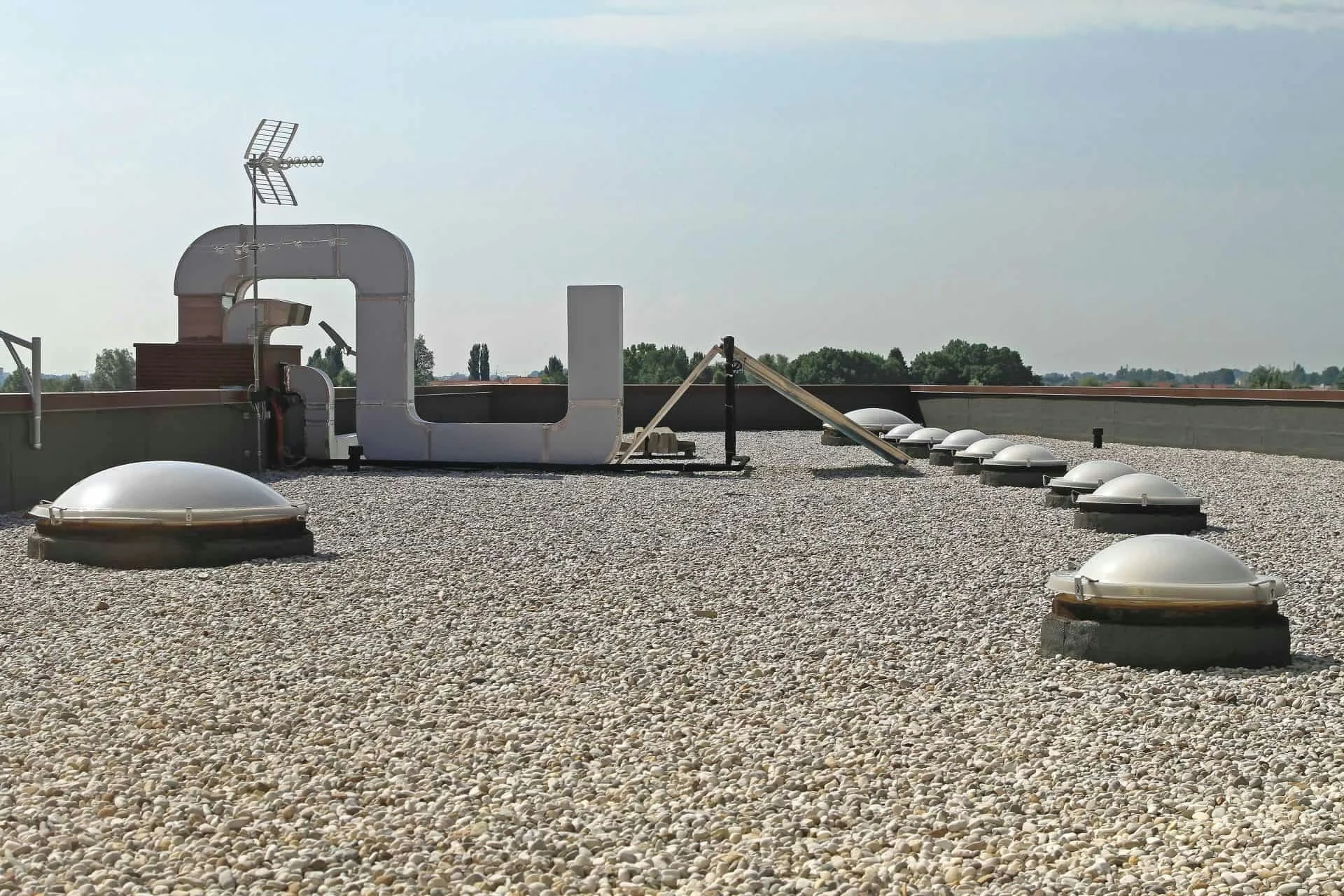
Project List
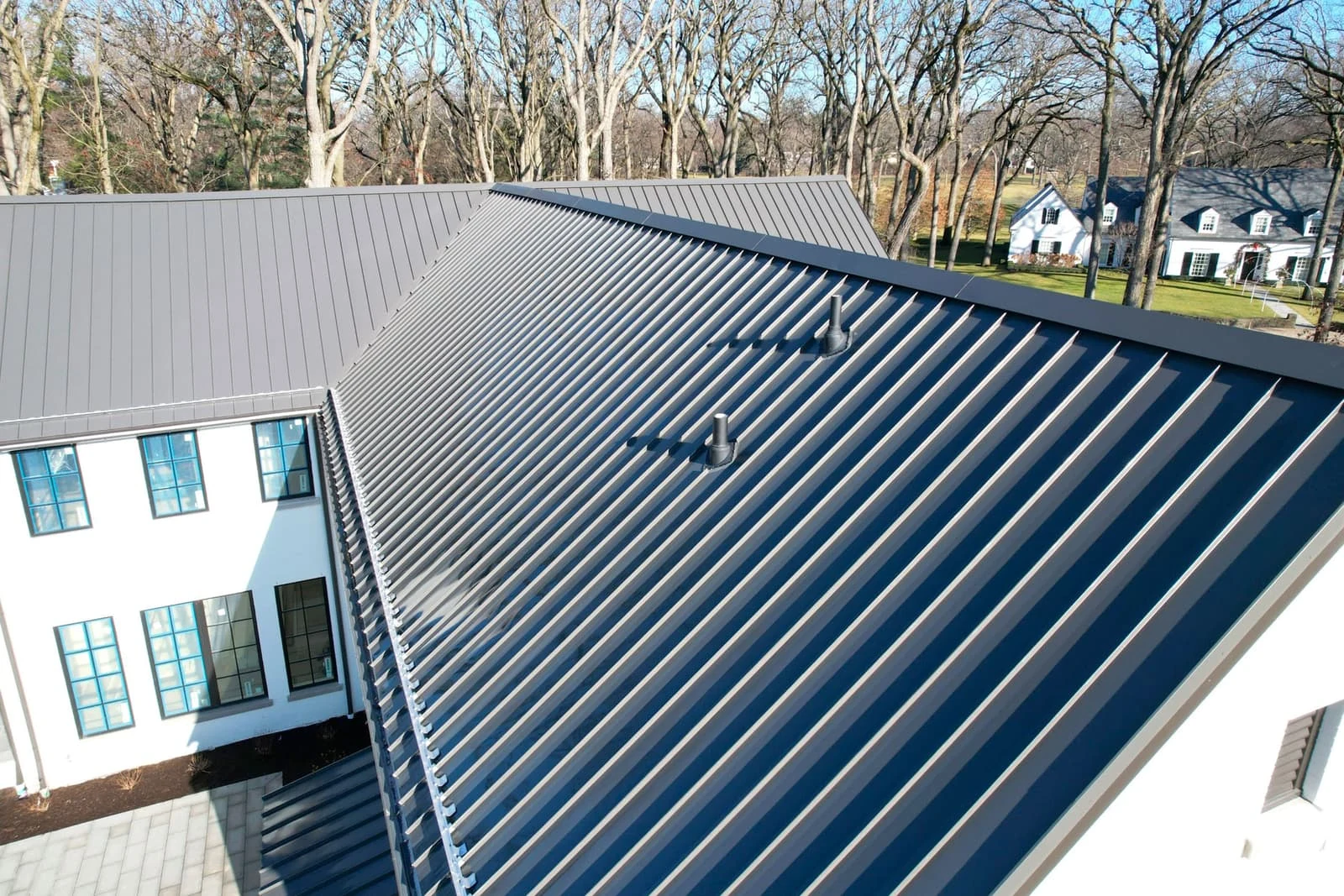
Commercial Roof Inspections & Reports in Ontario
Commercial roof inspections and condition reports in Ontario covering membrane, seams, flashings, drainage, penetrations, moisture indicators, photos, and next steps.
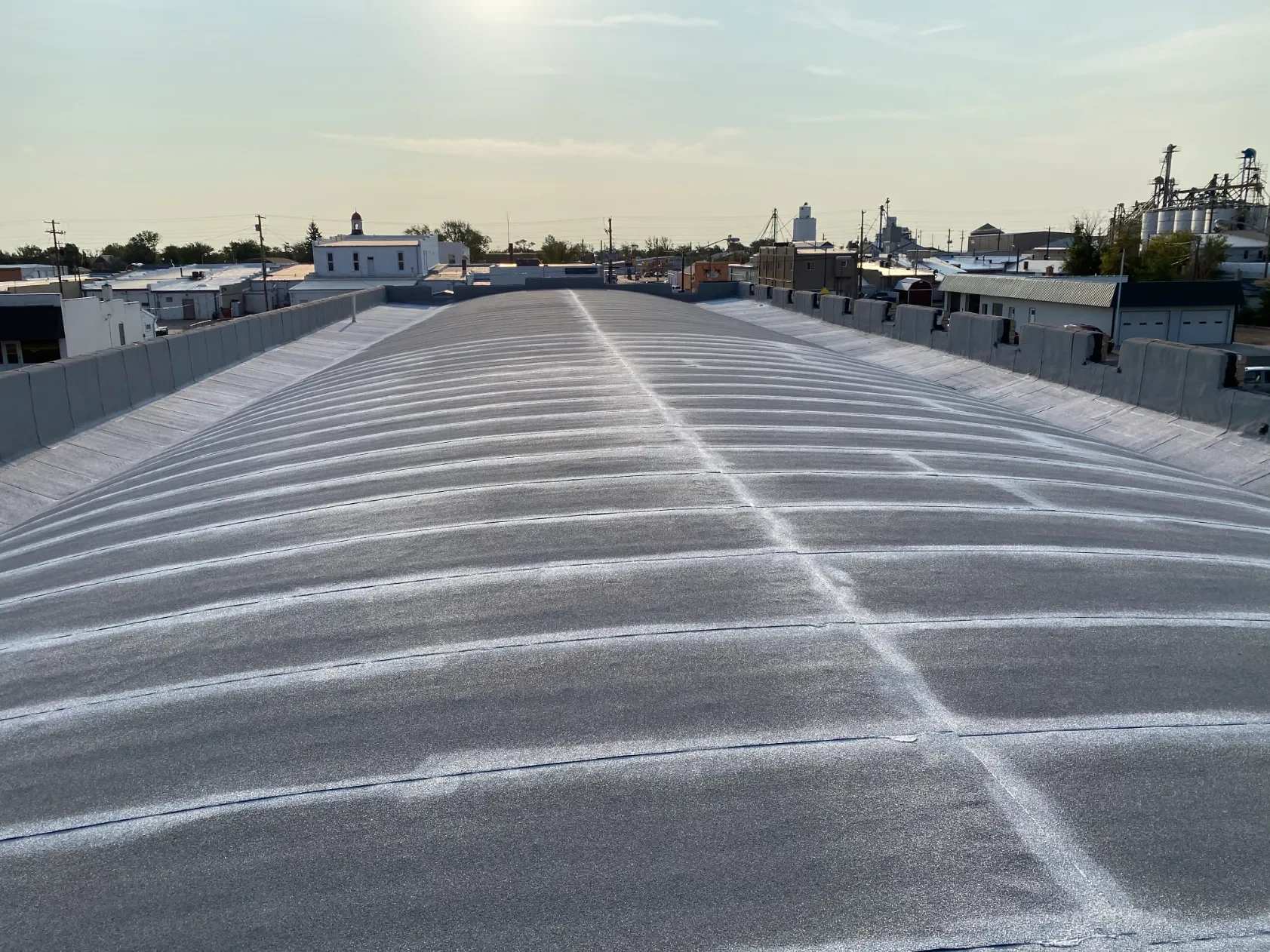
Commercial Roof Repair in Ontario
Commercial roof repair in Ontario with leak investigation, documented repair boundaries, emergency stabilization, and planned corrective work.
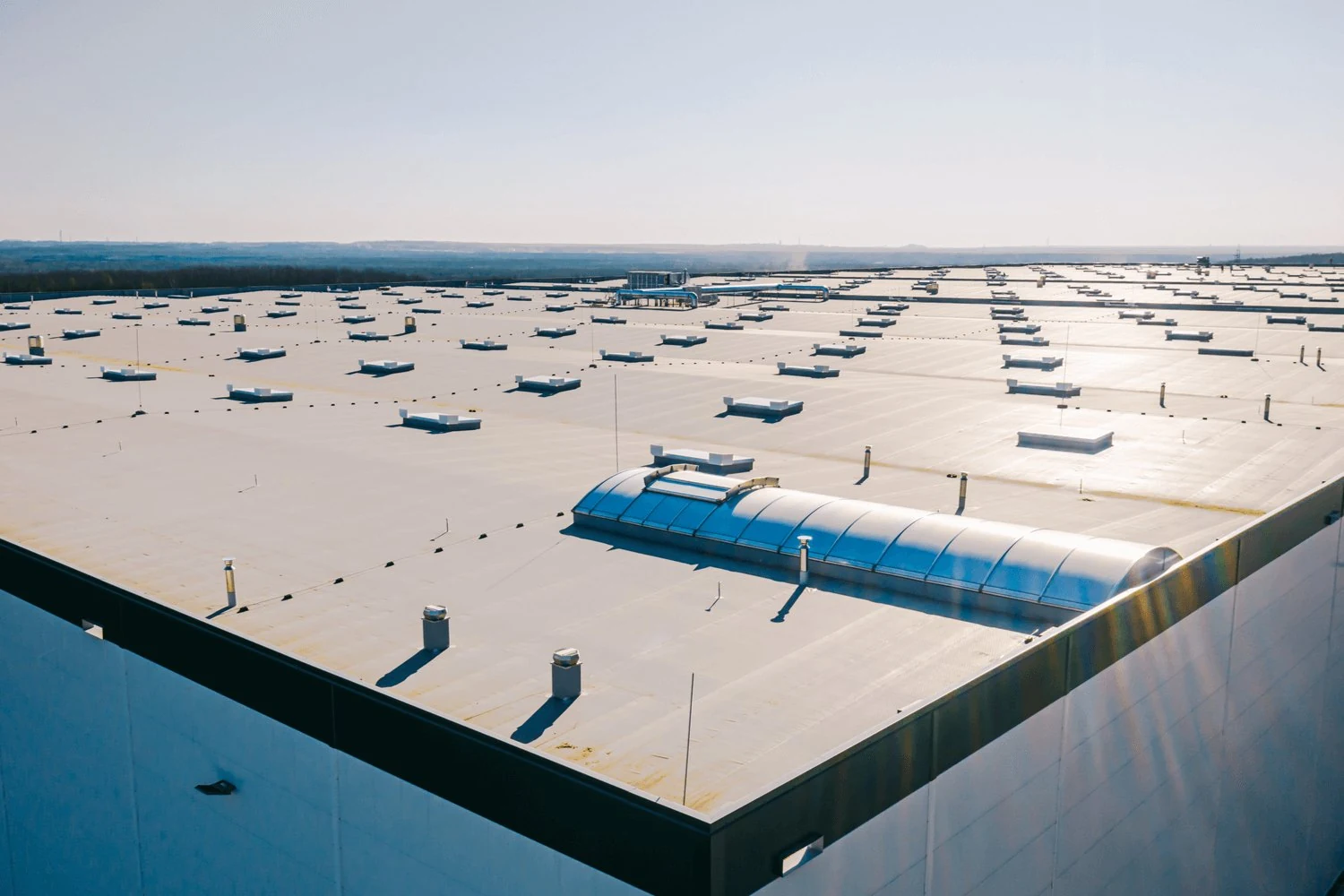
Commercial Roof Replacement in Ontario
Commercial roof replacement in Ontario with clear tear-off or recover scopes, system options, phasing, budgeting, and closeout documentation.
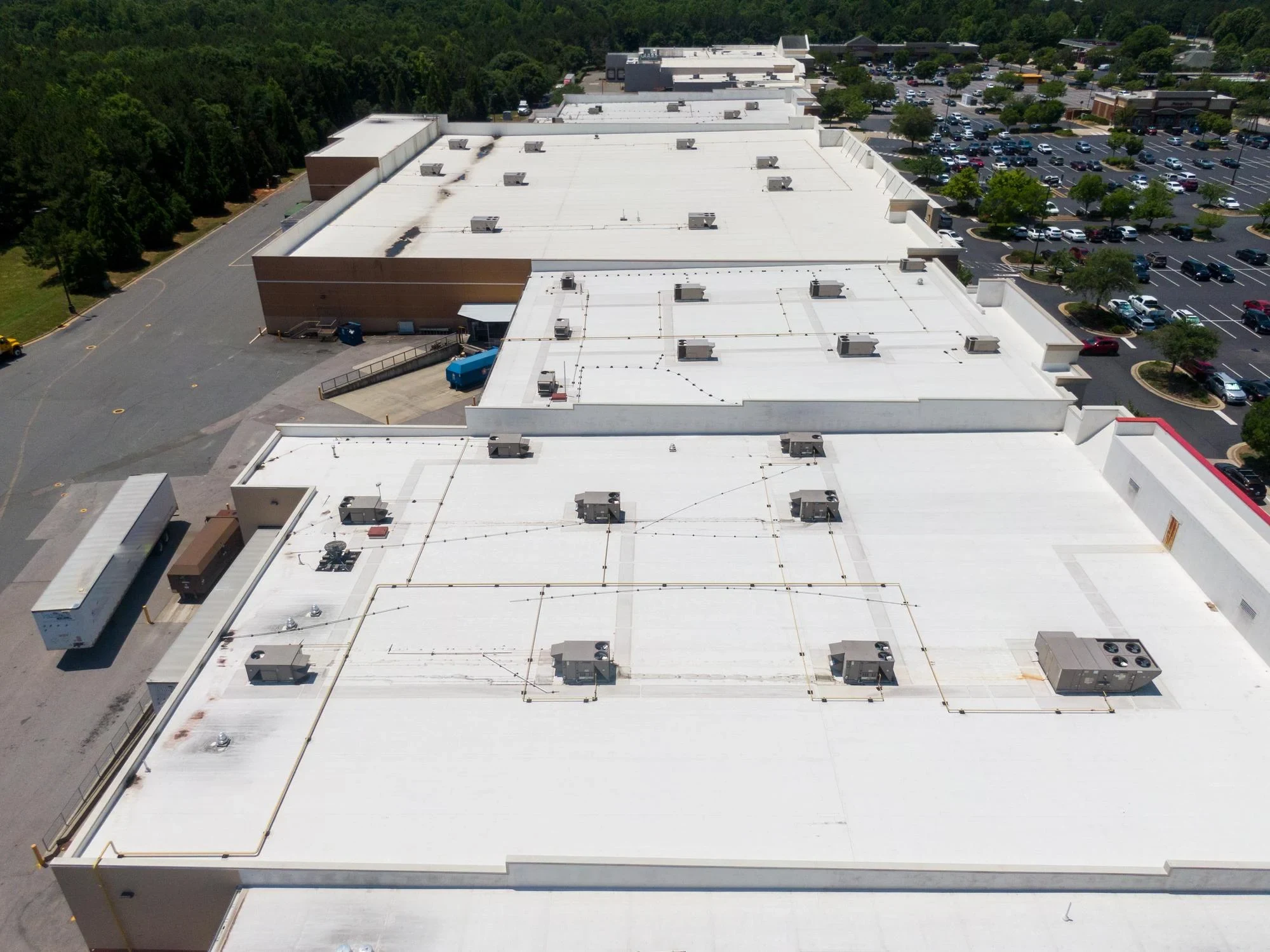
Commercial Reroofing in Ontario, CA
Commercial reroofing for Ontario, CA warehouses, retail, and airport hotels. Recover vs. replace math, Title 24 cool roof rules, and per-square-foot budgets.
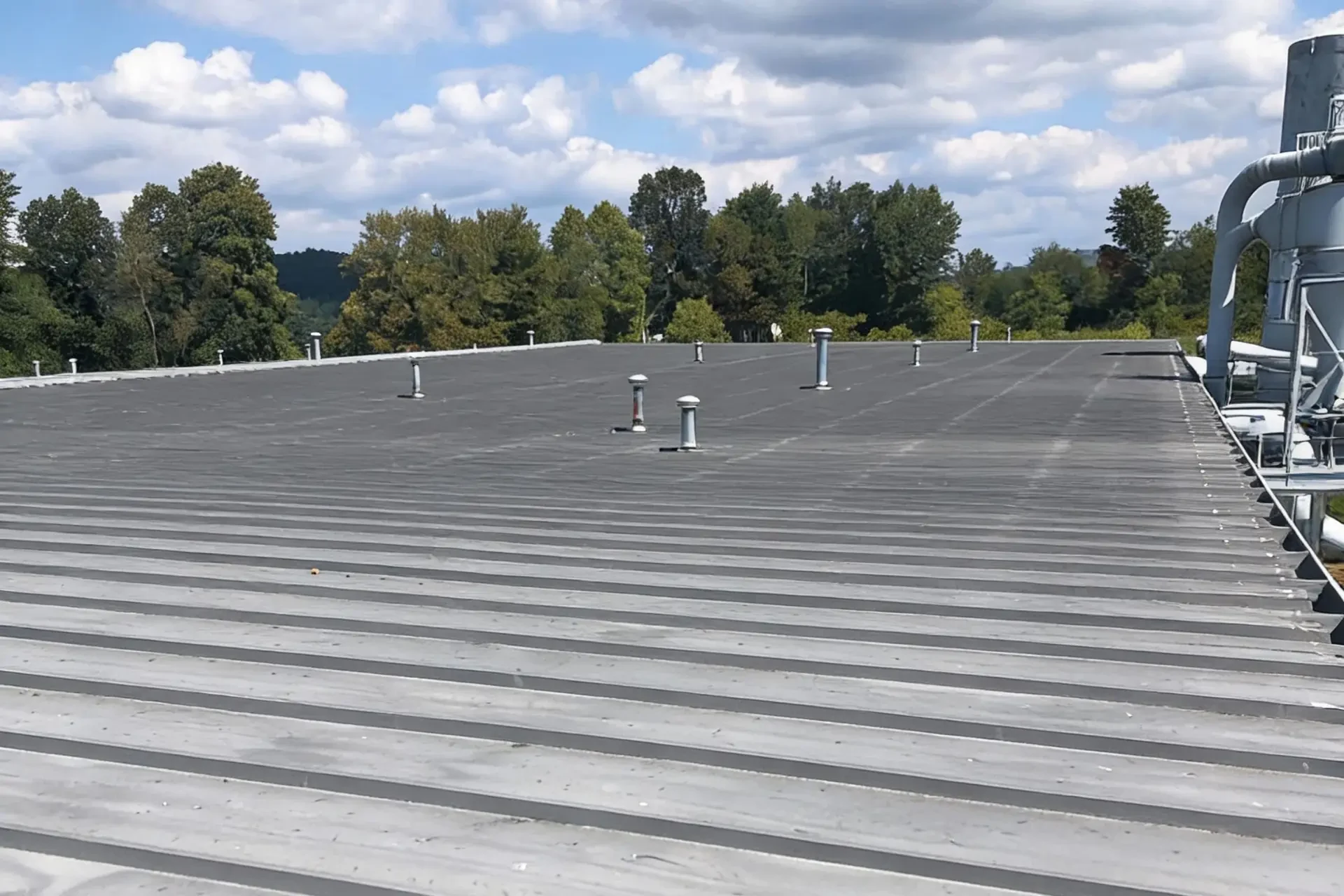
Commercial Roof Maintenance Programs in Ontario
Commercial roof maintenance programs in Ontario with scheduled inspections, drain and detail service, repair tracking, photos, and budget priorities.
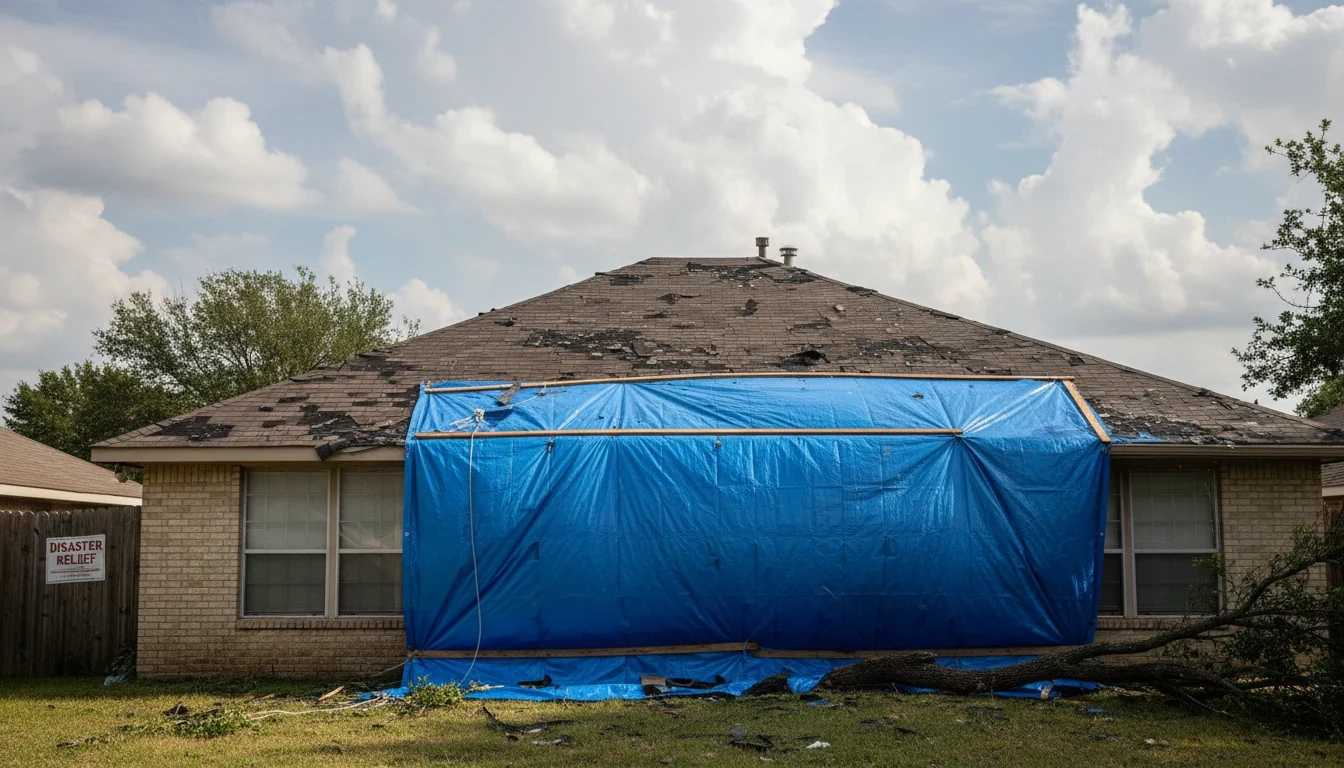
Emergency Tarp and Dry-In Service in Ontario, CA
Emergency roof tarp and dry-in service for Ontario, CA warehouses and distribution centers. Mobilization pricing and what stops active water fast.
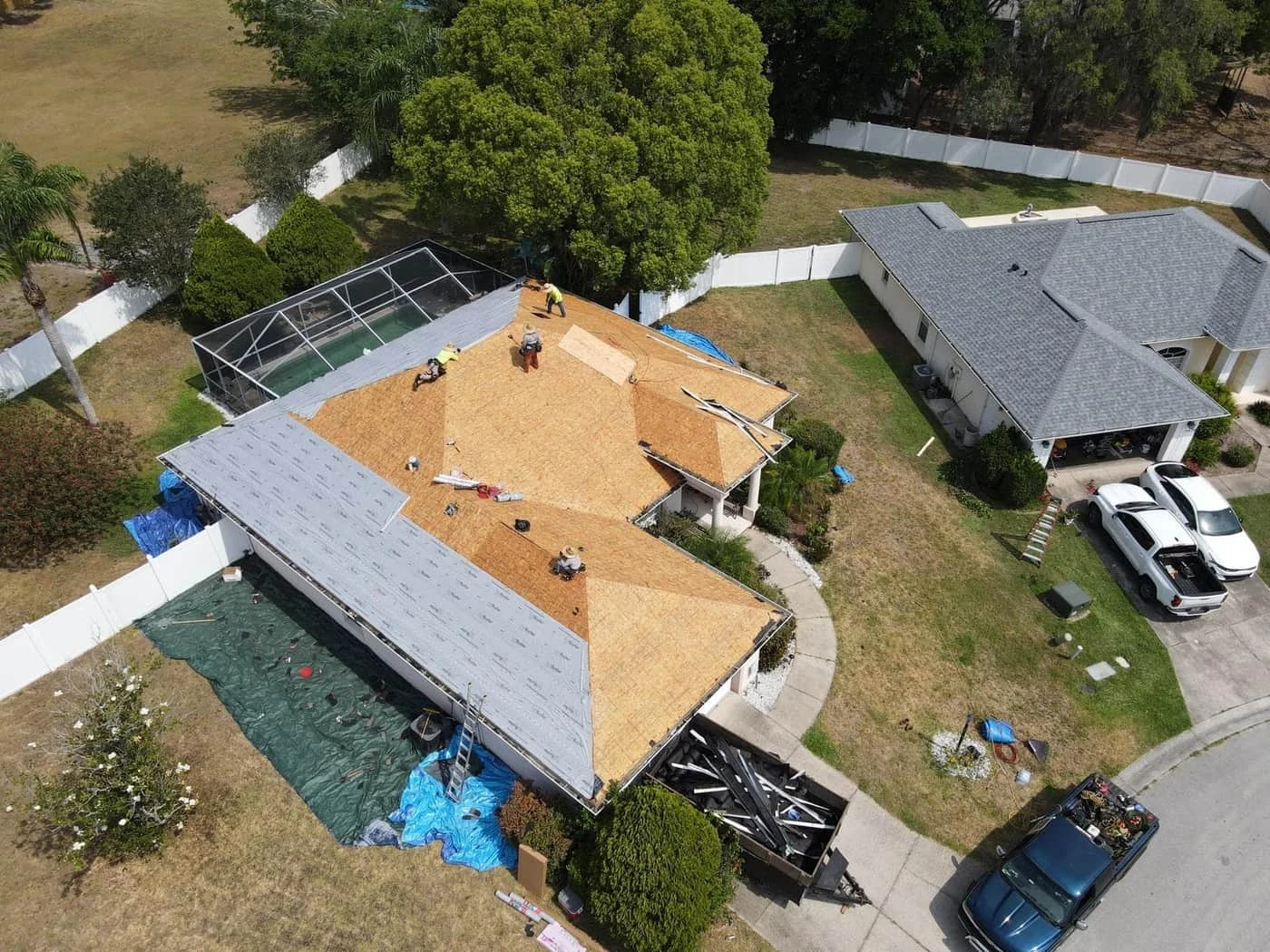
Storm Damage Roof Repair in Ontario, CA
Storm damage roof repair for Ontario, CA buildings hit by Santa Ana wind or winter rain events. Documented damage scopes and realistic repair budgets.
Roof Recover & Overlay in Ontario, CA
Roof recover and overlay for Ontario, CA warehouses. Moisture survey criteria, the two-covering code limit, and the real cost-per-square-foot math against tear-off.