
60-Mil TPO Roofing in Ontario, CA
60-Mil TPO: The Baseline Spec for Ontario's Big Flat Roofs
Walk any logistics park between the 10 and the 60 and most of what you are standing on is 60-mil TPO. It is the spec we price most often in Ontario because it hits the numbers that matter to owners here: a 20-year warranty term, Title 24 cool-roof compliance out of the box, and the lowest installed cost per square foot of any single-ply assembly at that warranty length.
What 0.060 Inches of Membrane Actually Contains
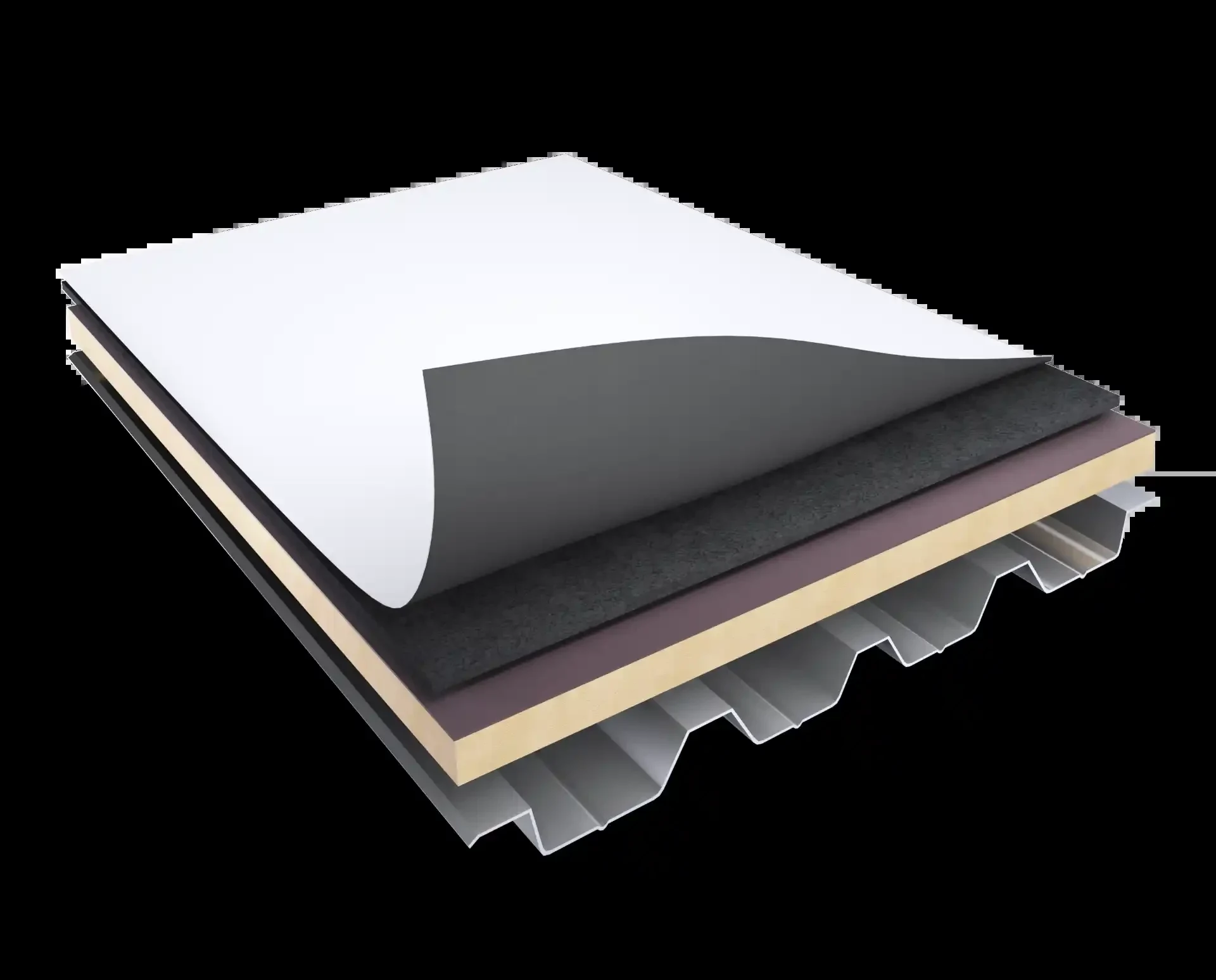
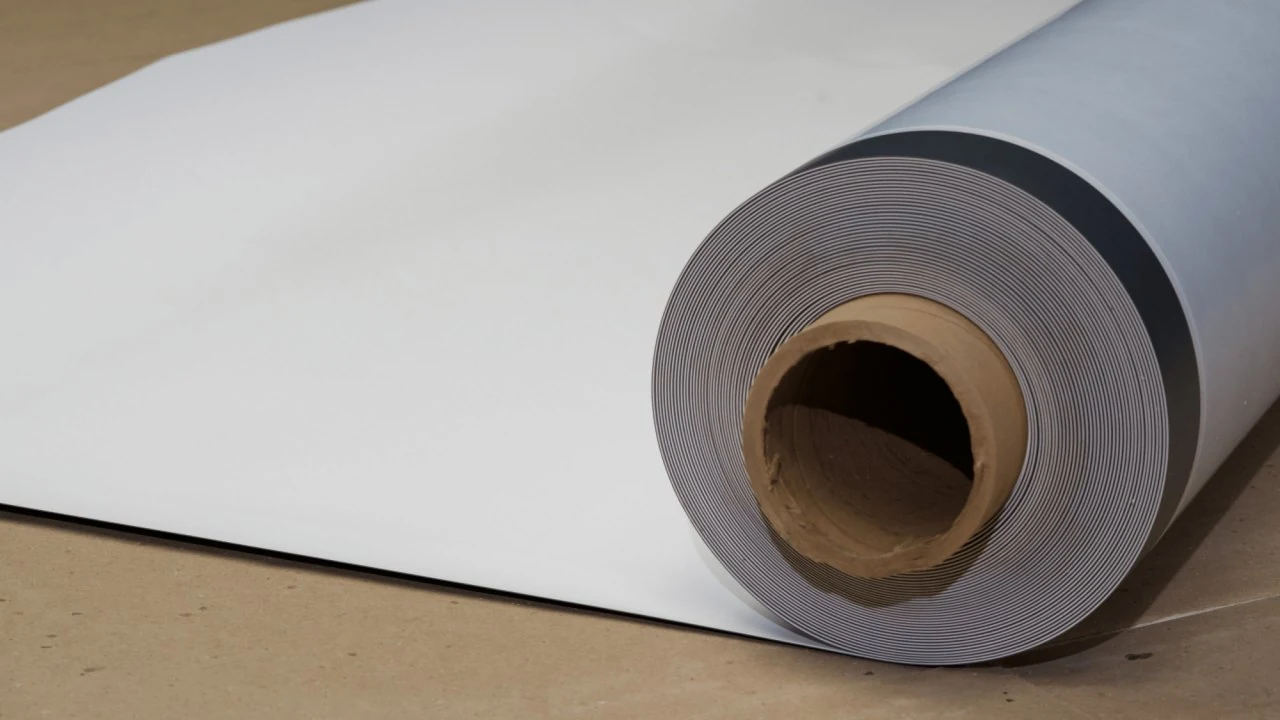
A 60-mil TPO sheet is not 60 mils of uniform plastic. It is a three-layer laminate: a top weathering ply loaded with UV stabilizers and titanium dioxide, a polyester scrim reinforcement in the center, and a bottom ply that takes the weld. The number that predicts service life is thickness over scrim , the wear layer above the reinforcement. On a quality 60-mil sheet that is roughly 21 to 24 mils. Cheaper sheets save money by thinning exactly that layer, which is why we list thickness-over-scrim on every submittal we send out.
The scrim is what gives the sheet its breaking strength, typically 300 pounds or better per ASTM D751. That matters on a 600,000-square-foot Ontario Ranch fulfillment roof where wind uplift loads at the corners run multiples of the field pressure. The weathering ply is what stands between the sun and that scrim, and in this valley the sun is the whole fight.
Where 60-Mil Pencils Out in This Market
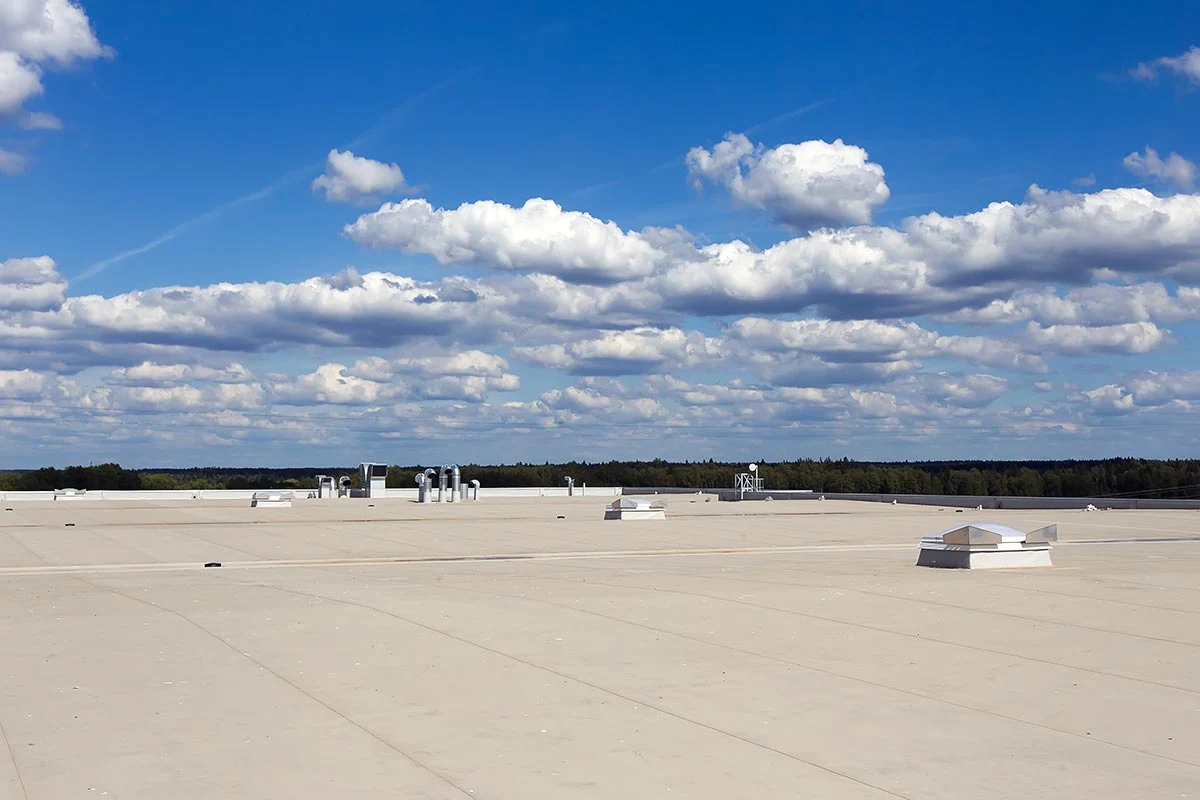
Ontario summers stack weeks of 95-to-105-degree days, and a roof deck out here can run 60 degrees hotter than ambient on a dark surface. White TPO reflects most of that load, which is why the aged solar reflectance of 0.63 and thermal emittance of 0.75 that California's Title 24 requires for low-slope commercial roofs are easy passes for a standard white sheet. You get code compliance and lower rooftop-unit runtime without paying for it as a separate line item.
We spec 60-mil most often on three building types: spec warehouses and distribution buildings where the pro forma assumes a sale or refinance inside 10 years, multi-tenant retail strips along Fourth Street and Mountain Avenue, and tilt-up flex buildings in the airport submarket where the tenant improvement budget is doing the heavy lifting. In each case the owner needs a clean 20-year NDL warranty for the lender and does not need to pay for 30 years of membrane on a 10-year hold.
- Typical warranty term: 15 or 20 years, no-dollar-limit, from Carlisle, GAF, Versico, or Johns Manville
- Thickness over scrim: 21 to 24 mils on the sheets we submit
- Breaking strength: 300 lbf minimum per ASTM D751
- Title 24 aged reflectance: white TPO passes the 0.63 threshold with margin
- Sheet widths: 8, 10, and 12 feet , wider sheets cut seam count roughly 20 percent on open fields
- Seams: hot-air welded at 1.5-inch minimum width, probed and test-cut daily
Attachment: Mechanically Fastened vs. Adhered on Inland Empire Decks
Most Ontario logistics buildings have panelized wood decks or steel decks over open-web joists, and mechanically attached is the default: fasteners and plates in the seam at a spacing calculated from the ASCE 7 wind maps for the site, with tighter rows in the perimeter and corner zones. It is the fastest and cheapest attachment method, which matters when you are covering 40 acres of roof before peak shipping season.
Fully adhered costs more per square foot but eliminates sheet flutter, and we push it on two situations locally: buildings under the ONT flight paths where a fluttering mechanically attached sheet fatigues faster, and roofs slated for solar, where racking crews will be working the surface for years. Santa Ana wind events are the design case either way , those northeast gusts come over the Cajon Pass at 50 to 70 miles per hour and find every corner detail that was fastened to the field schedule instead of the corner schedule.
Lifecycle Math on a 20-Year Sheet
Price a 60-mil mechanically attached system against its warranty term and the annualized cost per square foot is the lowest of any assembly we install. The honest caveat: in this UV environment, plan the budget around the warranty term, not around best-case published service lives. Heat aging is cumulative, and a roof that bakes at 160 degrees surface temperature every July ages faster than the same sheet in Portland.
Two line items protect the investment. First, a semiannual maintenance program , seam probing, sealant checks at penetrations, drain clearing before the January storm cycle , keeps the warranty valid and typically costs pennies per square foot per year. Second, budget a silicone recoat evaluation at year 15 to 18; a sound 60-mil field can often be extended 10 more years with a silicone restoration at a fraction of replacement cost.
When We Tell Owners to Skip 60 and Buy 80
The upcharge from 60-mil to 80-mil membrane is small relative to total installed cost because labor, insulation, and tear-off do not change. If the building is a long-term hold, if solar is planned, if the roof sees regular trade traffic to rooftop units, or if the owner wants a 25-or-30-year warranty for an institutional buyer, we quote 80-mil TPO alongside the 60 and let the numbers argue. On a 10-year merchant-build hold, 60-mil wins nearly every time. On a 25-year owner-user hold, it usually does not.
Questions Owners Ask About 60-Mil TPO
Is 60-mil TPO thick enough for a warehouse with rooftop equipment traffic?
For occasional service traffic, yes , with walkway pads welded along the service routes and around every rooftop unit. If technicians are up there weekly, or if you have a dense field of HVAC serving cold storage or food processing, we would rather see 80-mil or a protected traffic layout. The membrane fails at the scuff points first, not in the open field.
Does white TPO really cut cooling costs in Ontario?
The physics is straightforward: a surface with 0.70-plus initial reflectance absorbs far less solar load than a dark roof, and that difference shows up in rooftop-unit runtime during our long cooling season. The magnitude depends on your insulation level and equipment, so we model it per building rather than promise a number. Title 24 requires the cool surface regardless, so on new work it is not optional.
How long does installation take on a large distribution roof?
A mechanically attached 60-mil system is the fastest full assembly we install. Production on an open field with 12-foot sheets can cover several hundred squares per crew per day. Weather is the variable: we do not weld in rain, and on 105-degree afternoons we shift welding to morning hours because welder settings drift with ambient temperature.
What is the difference between a 15-year and 20-year warranty on the same 60-mil sheet?
Usually detail requirements, not the membrane. The 20-year term typically requires heavier flashing details, sometimes a cover board, and stricter inspection at closeout. The added cost is modest and the resale story is better, so we default our 60-mil quotes to the 20-year configuration unless the hold period says otherwise.
Can you install 60-mil TPO over our existing roof instead of tearing off?
Often, yes. California code allows one recover over a single existing roof if a moisture survey shows the assembly is dry and the deck is sound. We core-cut and scan first. A recover deletes the tear-off and disposal line items, which on a big Ontario logistics roof is real money , but burying wet insulation to save it is the most expensive mistake in this business, so the survey comes first.
Related
Ready to review the roof scope?
Request a Roof AssessmentProject List
60-Mil TPO Roofing in Ontario, CA
60-mil TPO spec details for Ontario, CA warehouses and retail: membrane construction, attachment options, Title 24 compliance, and 20-year lifecycle math.
80-Mil TPO Roofing in Ontario, CA
80-mil TPO for Ontario, CA logistics and solar-ready roofs: thickness-over-scrim numbers, 25 to 30-year warranties, and cost-per-year comparisons vs 60-mil.
Black EPDM Roofing in Ontario, CA
Black EPDM specs for Ontario, CA: sheet thicknesses, ballast vs. adhered attachment, Title 24 exceptions, and where rubber roofing still beats TPO on cost.
White EPDM Roofing in Ontario, CA
White EPDM for Ontario, CA commercial roofs: how the white surface is built, Title 24 compliance, adhesive-seamed detailing, and long-term reflectivity numbers.
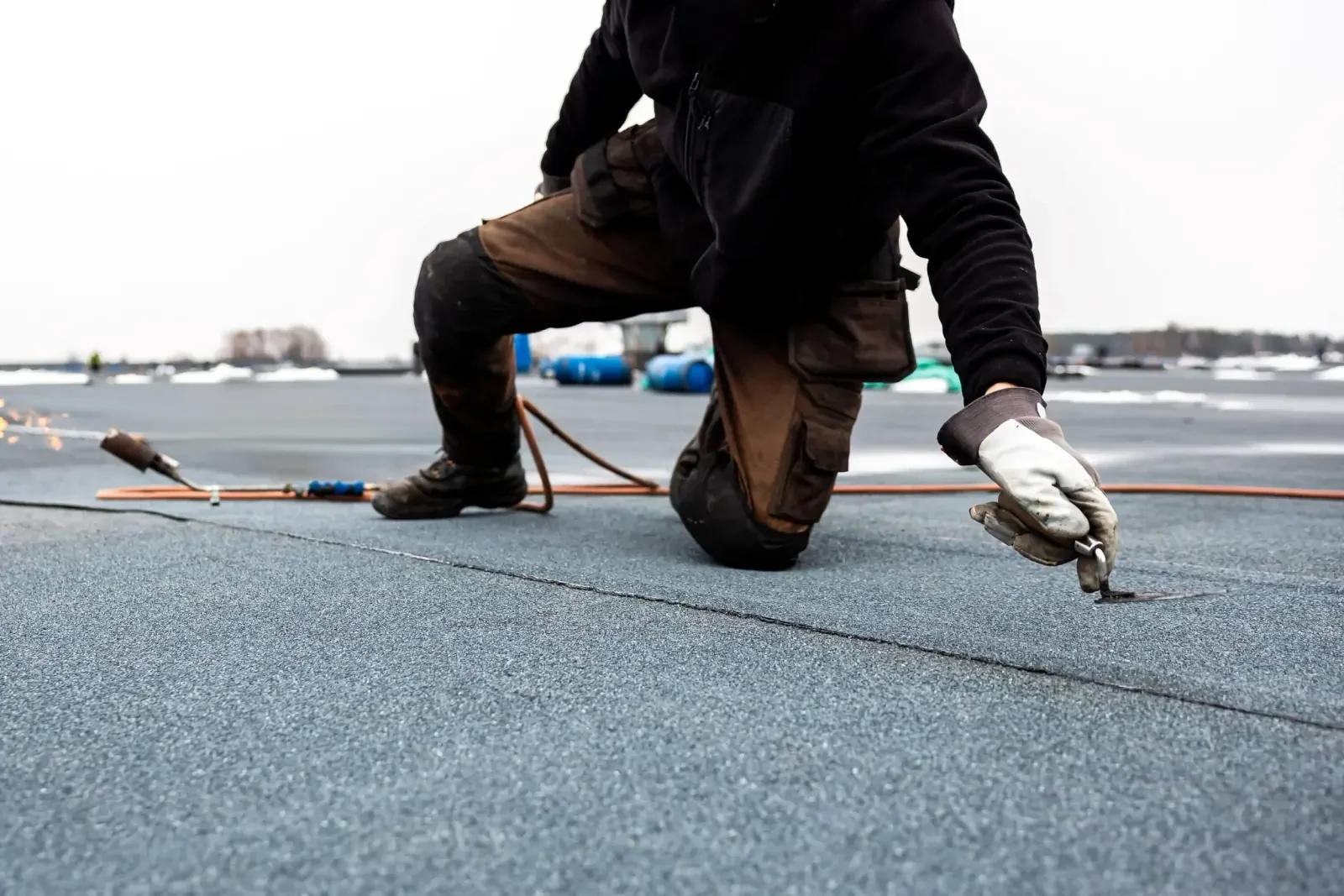
SBS Modified Bitumen Roofing in Ontario, CA
SBS modified bitumen for Ontario, CA's older commercial buildings: application methods, multi-ply redundancy, and where it still beats single-ply membrane.
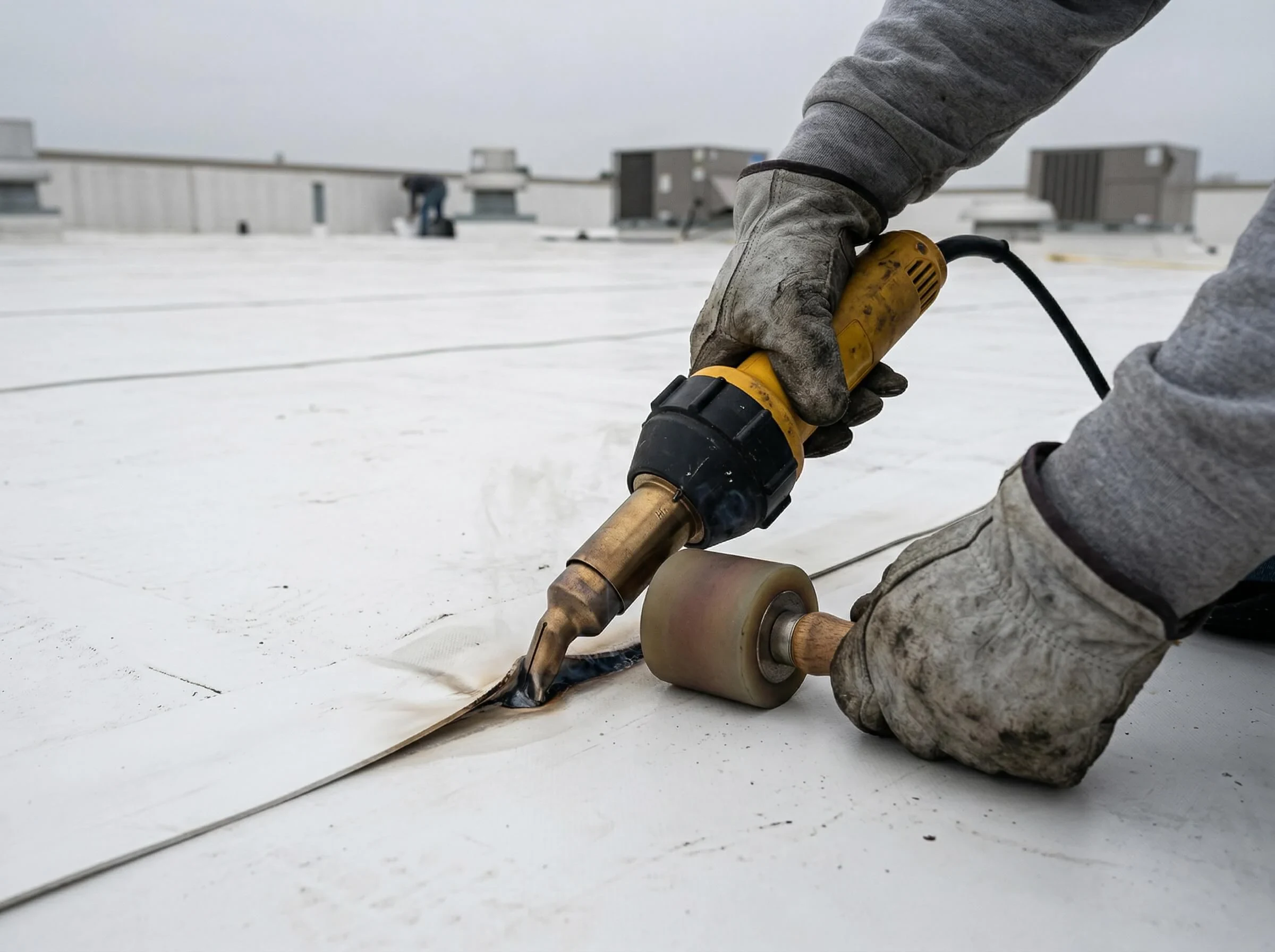
PVC Roofing Systems in Ontario, CA
PVC membrane specs for Ontario, CA restaurants, dealerships, and manufacturing roofs: grease and chemical resistance, weld parameters, and warranty terms.
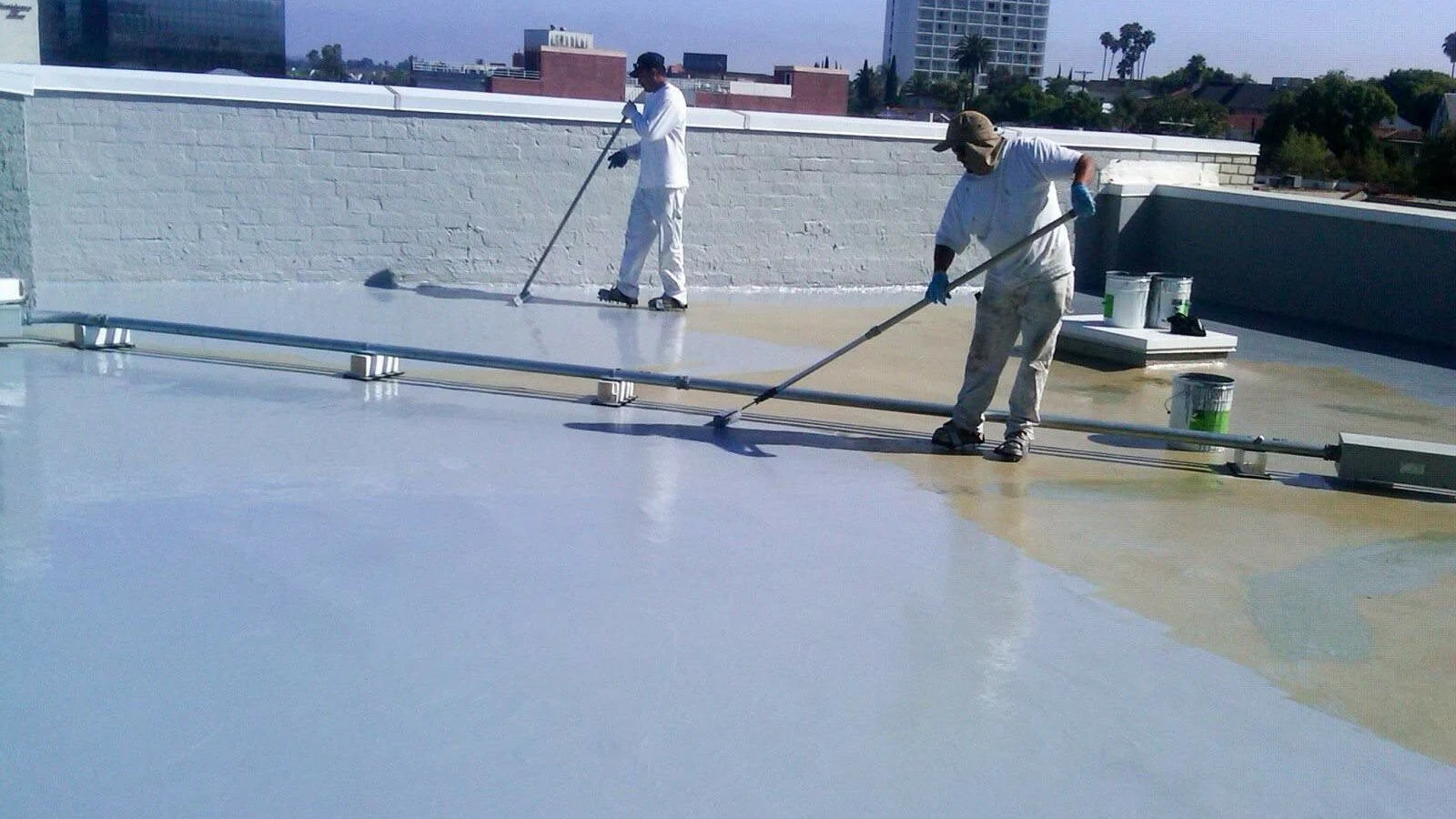
Silicone Roof Coatings in Ontario, CA
Silicone roof coating restoration for Ontario, CA commercial buildings: substrate prep, ponding-water performance, and the math against full tear-off.
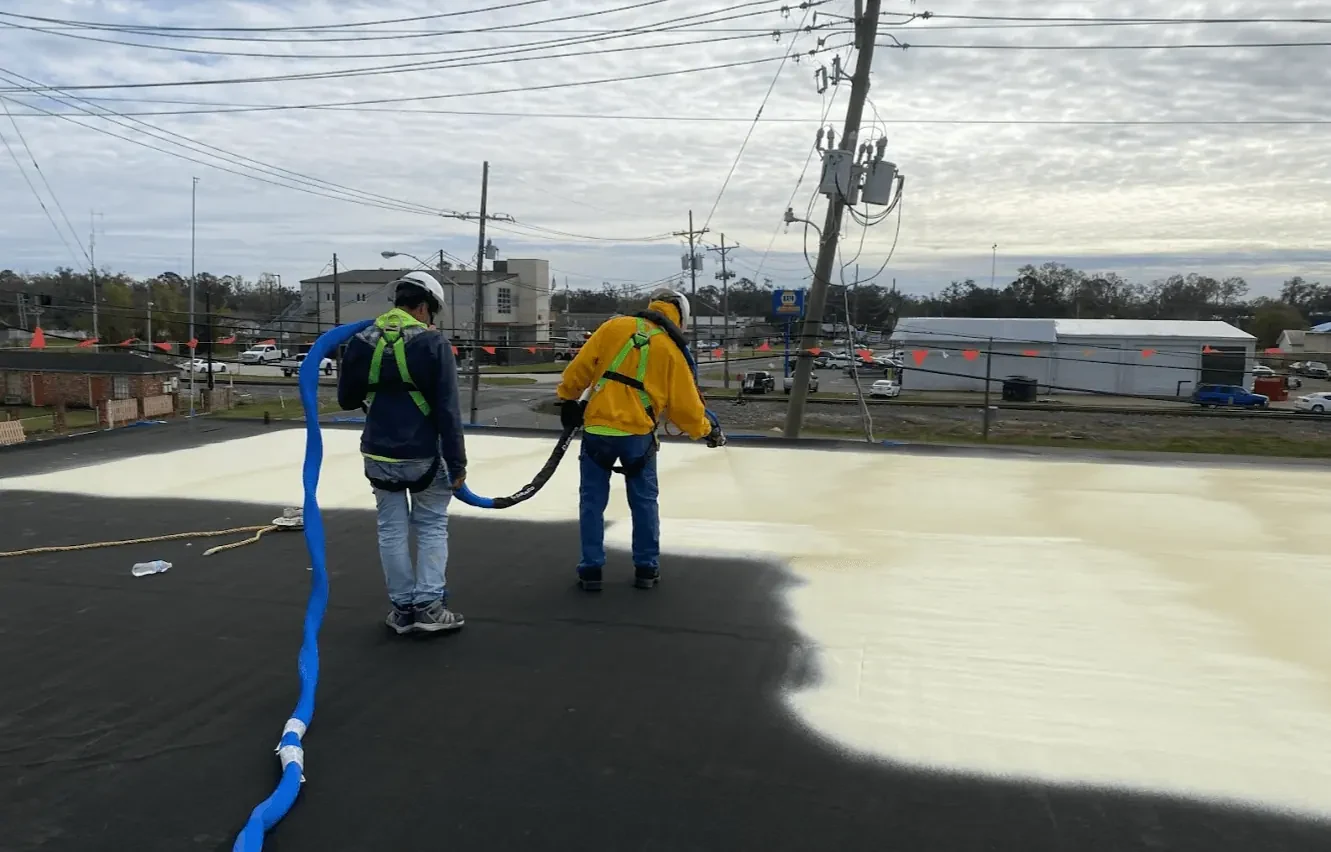
Spray Polyurethane Foam Roofing in Ontario, CA
SPF roofing for Ontario, CA buildings with dense rooftop equipment or ponding issues: application process, R-value math, and recoat maintenance cycles.