
Cold Storage Roofing in Ontario, CA
Pricing a Cold Storage Roof Without Getting Burned by Condensation
Mira Loma and the airport-adjacent logistics parks around Ontario carry a heavy concentration of cold and frozen storage buildings feeding the Inland Empire's food distribution network. A cold storage roof is a different engineering problem than a dry warehouse roof, and pricing it like one is the most common mistake we see on bid sheets that come in low and then blow up in change orders.
Why the Vapor Barrier Line Item Decides the Bid
On a freezer building holding product at -10 to 0 degrees, the temperature differential between the conditioned space and the Ontario summer attic can exceed 130 degrees. That differential drives water vapor upward through the deck relentlessly, and if it is not stopped by a continuous, properly lapped vapor barrier below the insulation, it condenses inside the roof assembly. We have opened up 15-year-old cold storage roofs in Mira Loma and Jurupa Valley where the top flange of the steel deck had corroded through from trapped moisture the vapor barrier never caught.
A vapor barrier retrofit or upgrade on an existing cold storage roof typically adds $1.25 to $2.25 per square foot over a standard recover, mostly labor for careful lap sealing and penetration detailing rather than material cost. On new construction or full tear-off, we spec a self-adhered vapor retarder rated for the specific temperature and humidity class of the space, not a generic membrane substitute.
Insulation Thickness Runs Higher Than Dry Warehouse Work
Where a standard Ontario warehouse re-roof typically specs 3 to 4 inches of polyiso to satisfy Title 24, a freezer or deep-chill cold storage roof commonly needs 6 to 8 inches, sometimes tapered in two layers to hit both R-value and slope-to-drain targets. That extra insulation adds real dollars: figure $2.00 to $3.50 per square foot above a comparable dry-warehouse insulation package once you account for the thicker board stock and the additional mechanical fasteners needed to hold a taller insulation stack against wind uplift.
On a 200,000 square foot cold storage building, a fully specified system with vapor barrier, tapered polyiso to the correct R-value, and a mechanically attached 60-mil membrane runs $9.00 to $13.50 per square foot installed, compared with $7.00 to $10.00 for an equivalent dry warehouse. The gap is not padding. It is the cost of keeping the deck dry for the next 20 years.
Where Condensation Actually Shows Up First
Before a full failure, condensation damage announces itself in a handful of predictable spots, and we tell every property manager to check these on a walk before it becomes a capital project:
- Rust streaking or bubbled paint on the underside of the deck near loading dock doors, where door cycling pulls in humid outside air
- Frost accumulation visible on interior deck flutes near freezer curtain walls
- Delamination or blistering of the membrane over areas where forklifts or racking concentrate interior humidity below
- Corroded fasteners pulling through at penetrations for refrigeration piping and condensate lines
- Sagging or discolored insulation boards visible through skylights or roof hatches
Any one of these on a scan should trigger a full moisture survey before quoting a simple recoat or patch, because surface repairs on a cold storage roof almost never address the vapor drive causing the damage underneath.
Refrigeration Penetrations Change the Detailing Cost
Cold storage buildings carry dense clusters of refrigeration line penetrations, condensate drain lines, and often rooftop-mounted evaporative condensers for the ammonia or Freon systems. Each penetration needs a properly insulated pipe boot and vapor-sealed curb detail, and a large cold storage roof can carry two to three times the penetration count of a comparable dry warehouse. We price penetration detailing as a per-unit line item, typically $150 to $400 each depending on pipe diameter and insulation thickness, rather than folding it into a blended square-foot number, because the count varies so much building to building.
Recover Versus Tear-Off on an Older Freezer Building
Several of the cold storage facilities along the rail-served corridor near Mira Loma and Pedley date to the 1980s and 1990s, often built-up roofs with lightweight insulating concrete decks that were never detailed with a modern vapor barrier. On these buildings, a straight recover almost always fails within a few years because it buries the existing moisture problem rather than solving it. We push these owners toward tear-off to bare deck, infrared and core-verified, with a new vapor barrier installed correctly the first time. It costs more up front, typically $2 to $4 per square foot above a recover, but it is the only approach that actually stops the corrosion cycle on an insulating concrete deck.
What Property Managers Ask Before Committing Capital
How much more does a cold storage roof cost than a standard warehouse roof?
Plan on 25 to 40 percent more per square foot for a comparable membrane and insulation package, driven mostly by added insulation thickness, the vapor barrier layer, and denser penetration detailing around refrigeration equipment.
Can the building stay operational, including the freezer, during a re-roof?
Yes in most cases. We phase the work in sections, maintain temporary weatherproofing over open areas at the end of each shift, and coordinate closely with the refrigeration contractor so interior temperature setpoints are never compromised. Freezer product loss during a properly phased re-roof should not happen.
Does a coating make sense on a cold storage roof?
A reflective coating over a sound membrane can extend service life and help with rooftop equipment heat load, but it does nothing for a vapor barrier problem underneath. We only recommend coatings on cold storage roofs after confirming with a moisture scan that the assembly below is dry.
What R-value should a freezer roof carry in this climate?
For deep-freeze space we typically spec toward the higher end of what Title 24 and the refrigeration engineer's load calculation call for, often R-30 or above in the roof assembly, since under-insulating a freezer roof drives up compressor run time and energy cost for the life of the building far more than the incremental insulation cost.
How do you inspect for hidden moisture on a cold storage roof without cutting it open everywhere?
Infrared thermography works well on these roofs specifically because the temperature differential that causes the problem also makes wet insulation show up clearly on a scan, usually run in early morning or evening when the temperature gradient is strongest. We confirm every suspect area with a core cut before writing it into a scope of work.
Related
Ready to review the roof scope?
Request a Roof AssessmentProject List
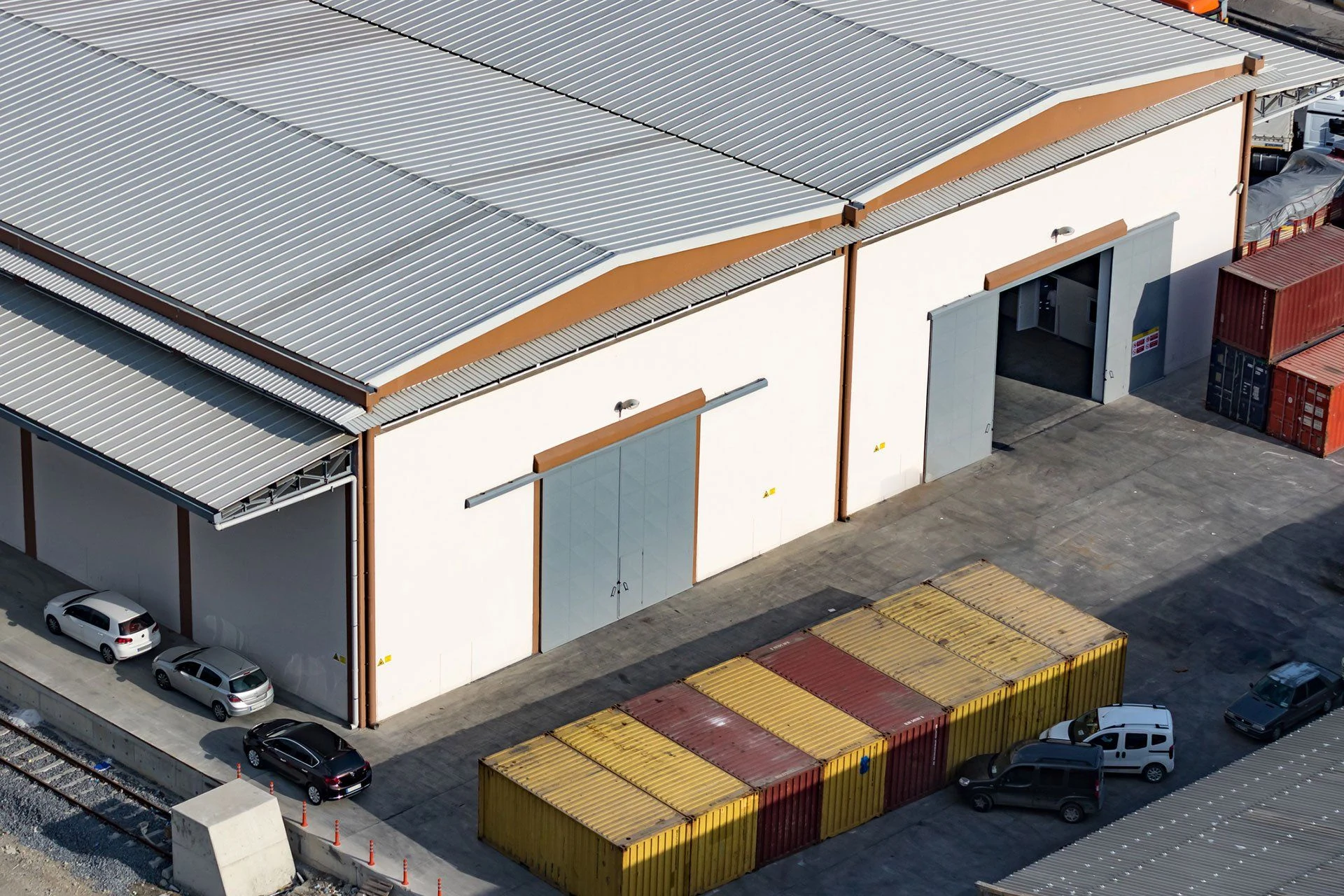
Warehouse Roofing in Ontario, CA
Warehouse roof replacement, recover, and maintenance pricing for Ontario, CA. Budget numbers for TPO, coatings, and tear-off on Inland Empire big-box roofs.
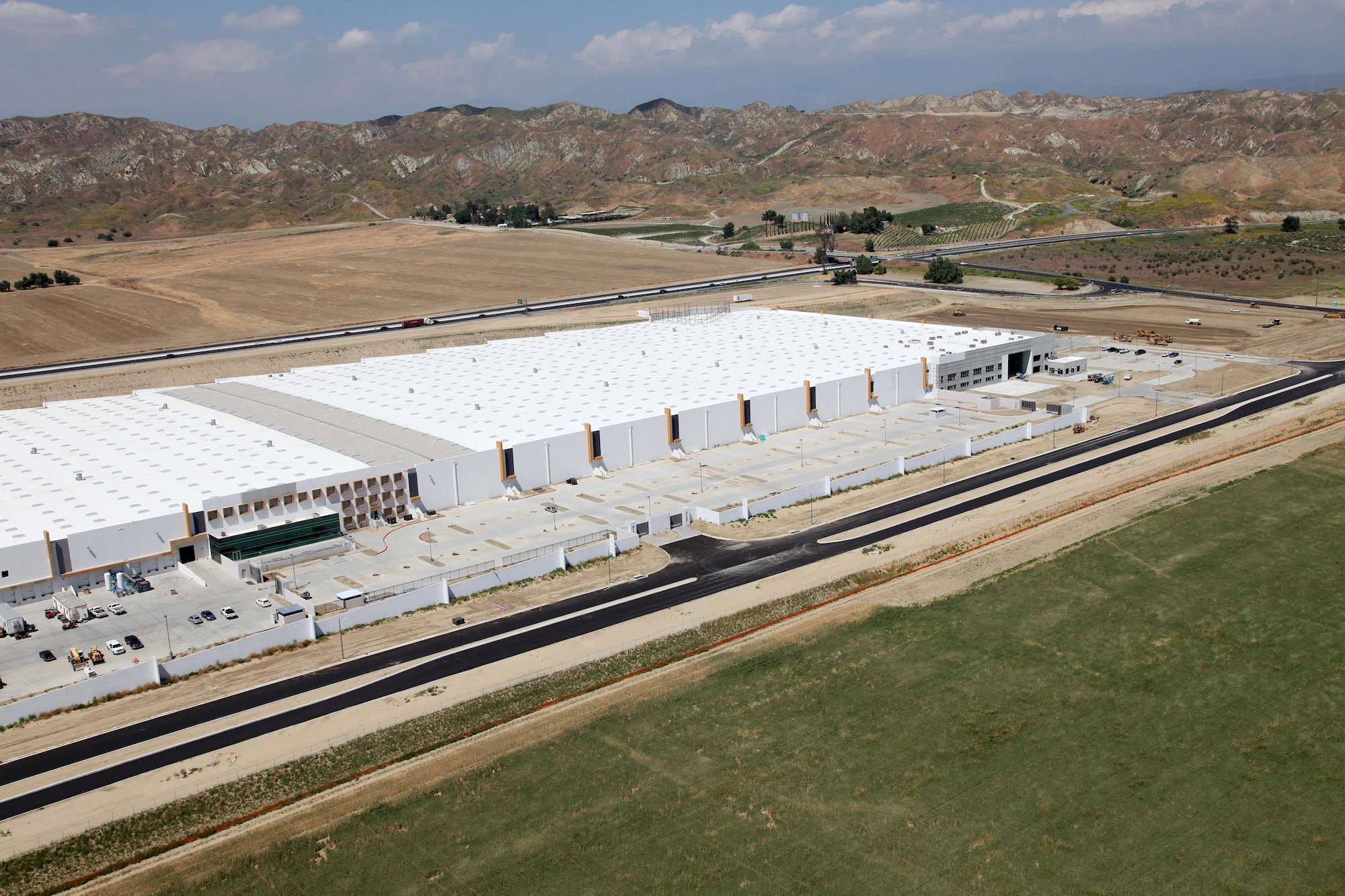
Distribution Center Roofing in Ontario, CA
Roofing for distribution and fulfillment centers around Ontario International Airport. Phased re-roofs, leak response, and per-square-foot budgets for 24/7 hubs.
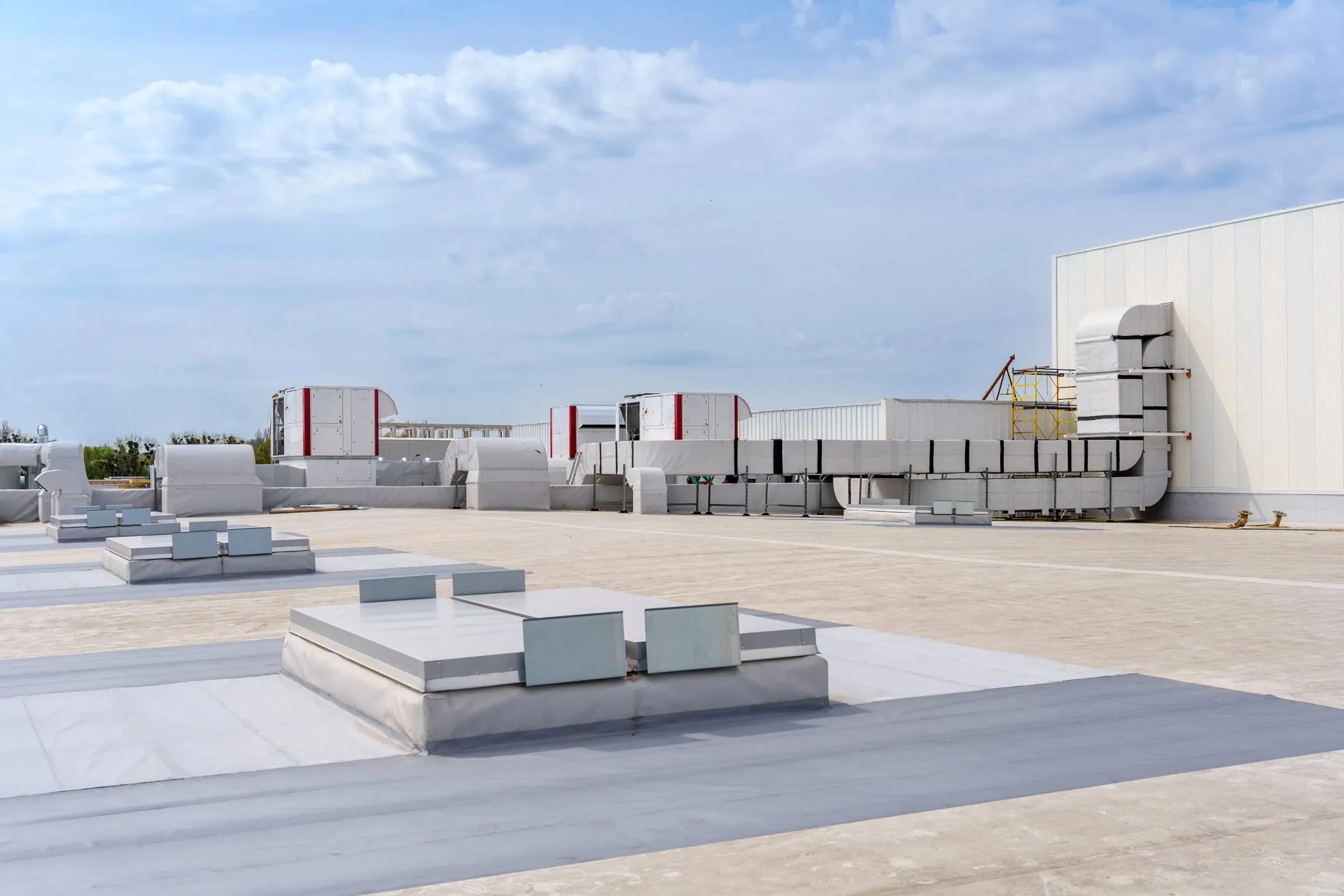
Manufacturing Plant Roofing in Ontario, CA
Manufacturing and industrial plant roof pricing for Ontario, CA. Spark-resistant membranes, rooftop equipment loads, and hot-work fire.
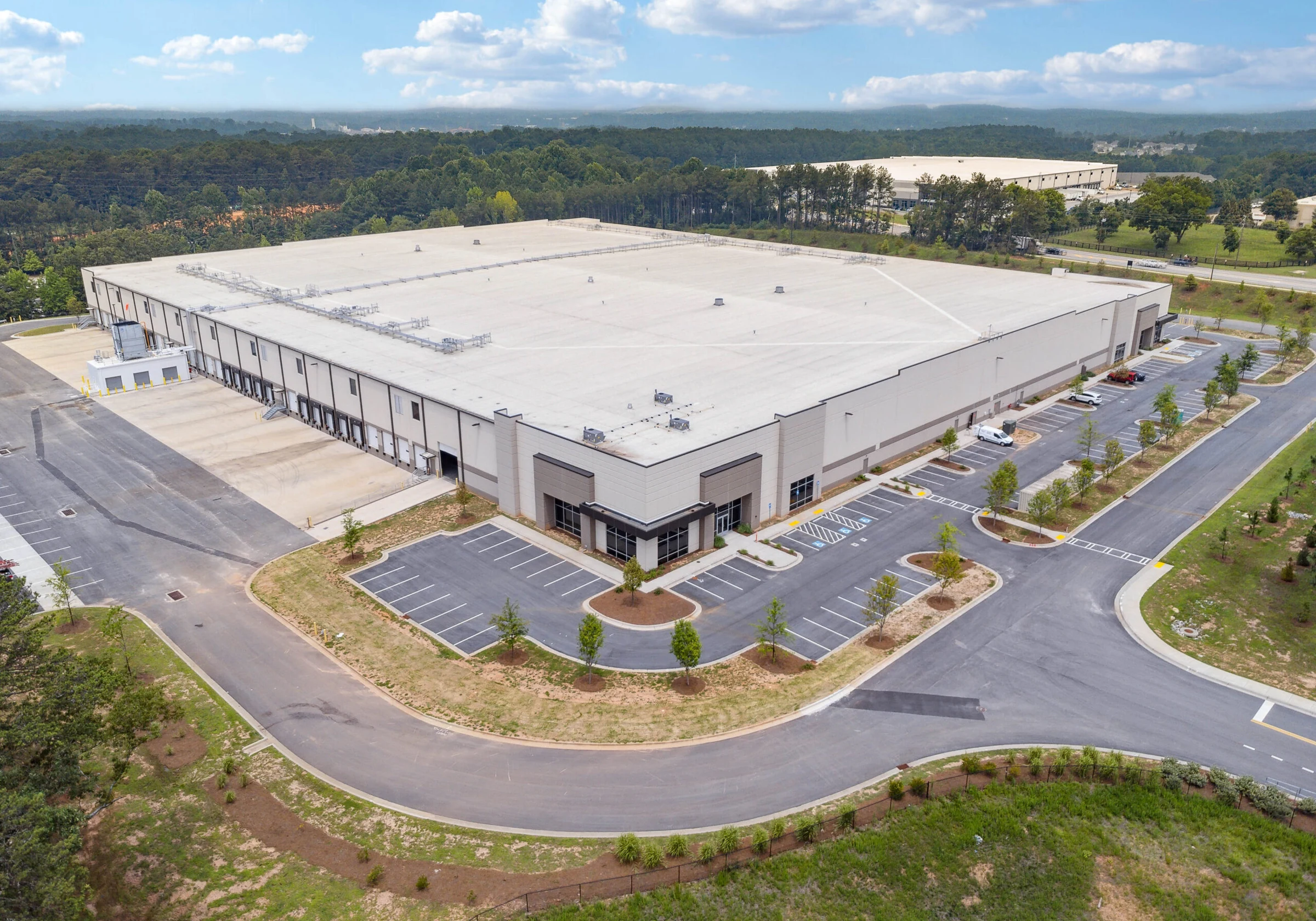
Cold Storage Roofing in Ontario, CA
Cold storage and freezer roof pricing for Ontario, CA. Vapor barrier design, R-value, and condensation control budgets for Inland Empire cold chain buildings.
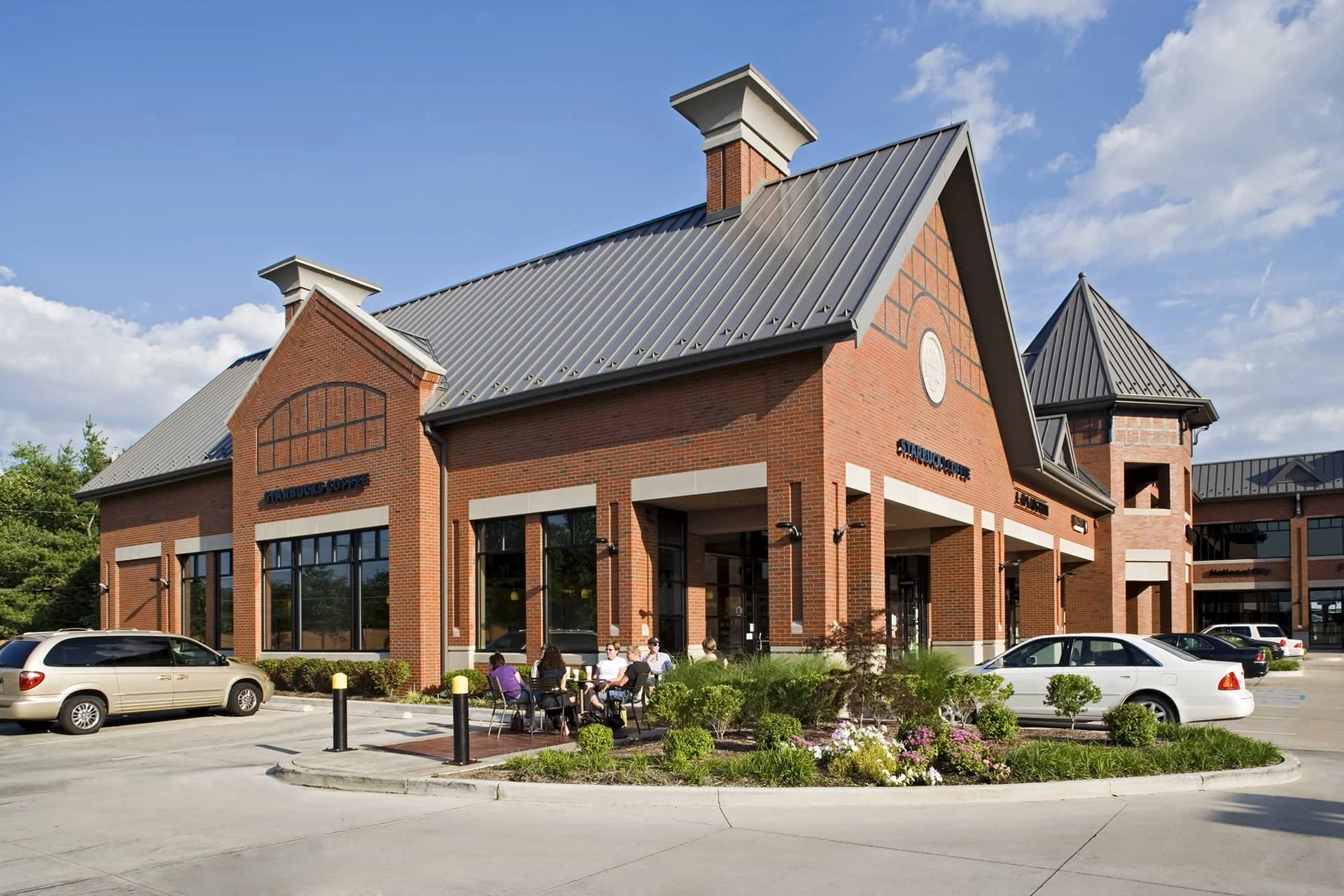
Big-Box Retail Roofing in Ontario, CA
Big-box retail roof budgets for Ontario Mills, Montclair Place, and Inland Empire anchor stores. Occupied-store phasing and recover pricing.
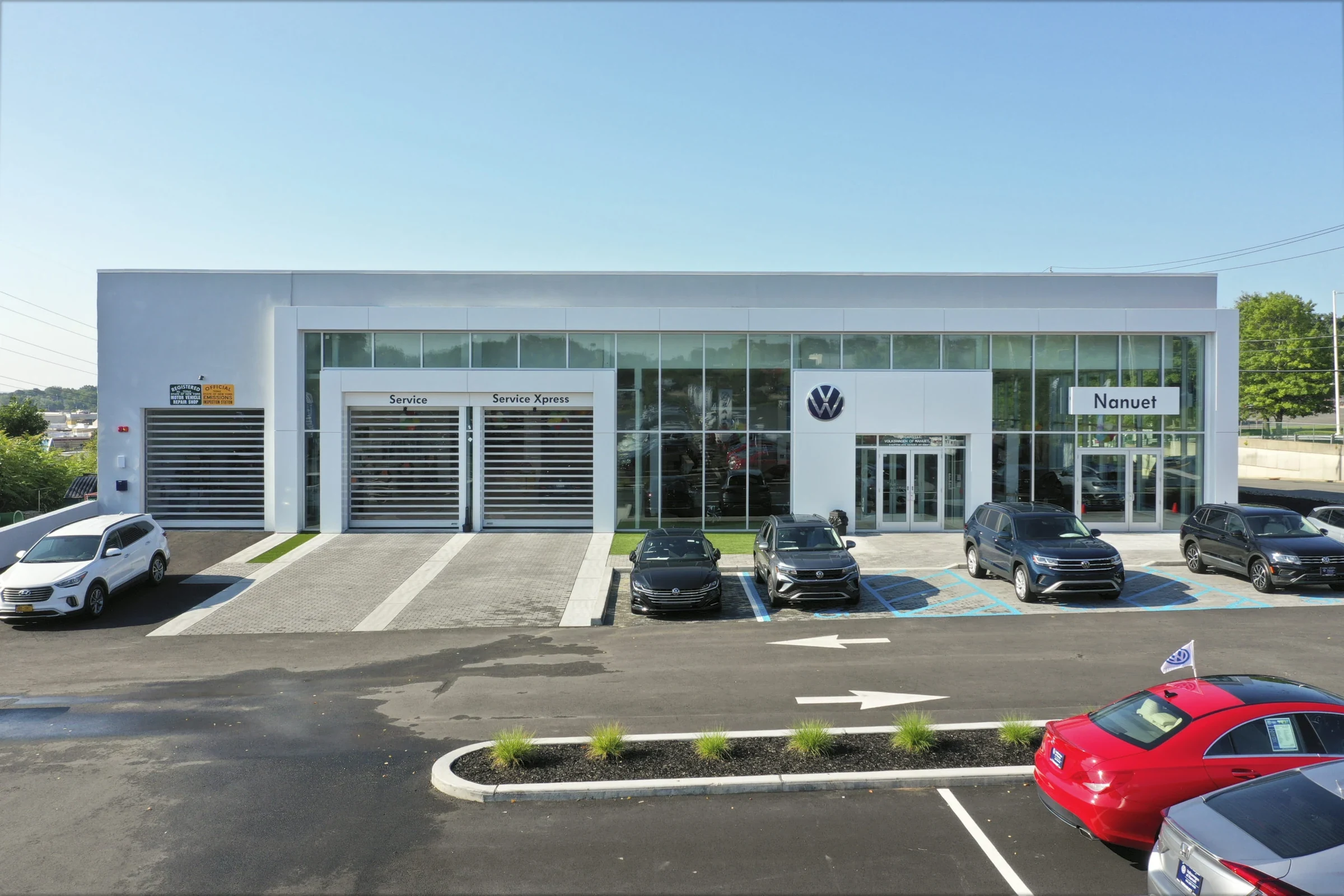
Auto Dealership Roofing in Ontario, CA
Dealership showroom and service-bay roof pricing for the Ontario Auto Center and Inland Empire dealer corridor. OEM image-program compliant budgets.
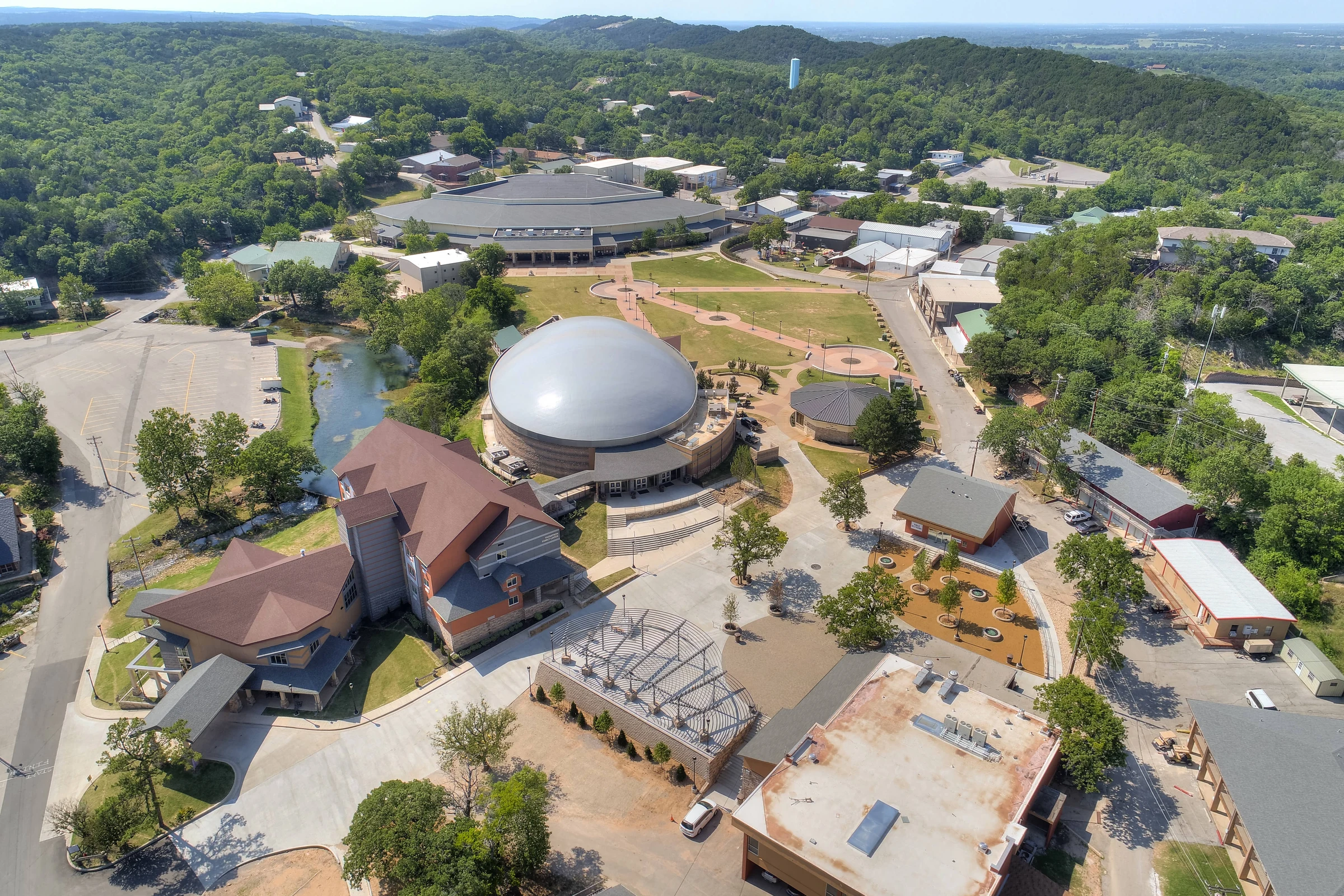
Event Venue Roofing in Ontario, CA
Arena, convention center, and large clear-span venue roof budgets for the Ontario and Fairplex Pomona corridor. Structural load and event-calendar scheduling pricing.
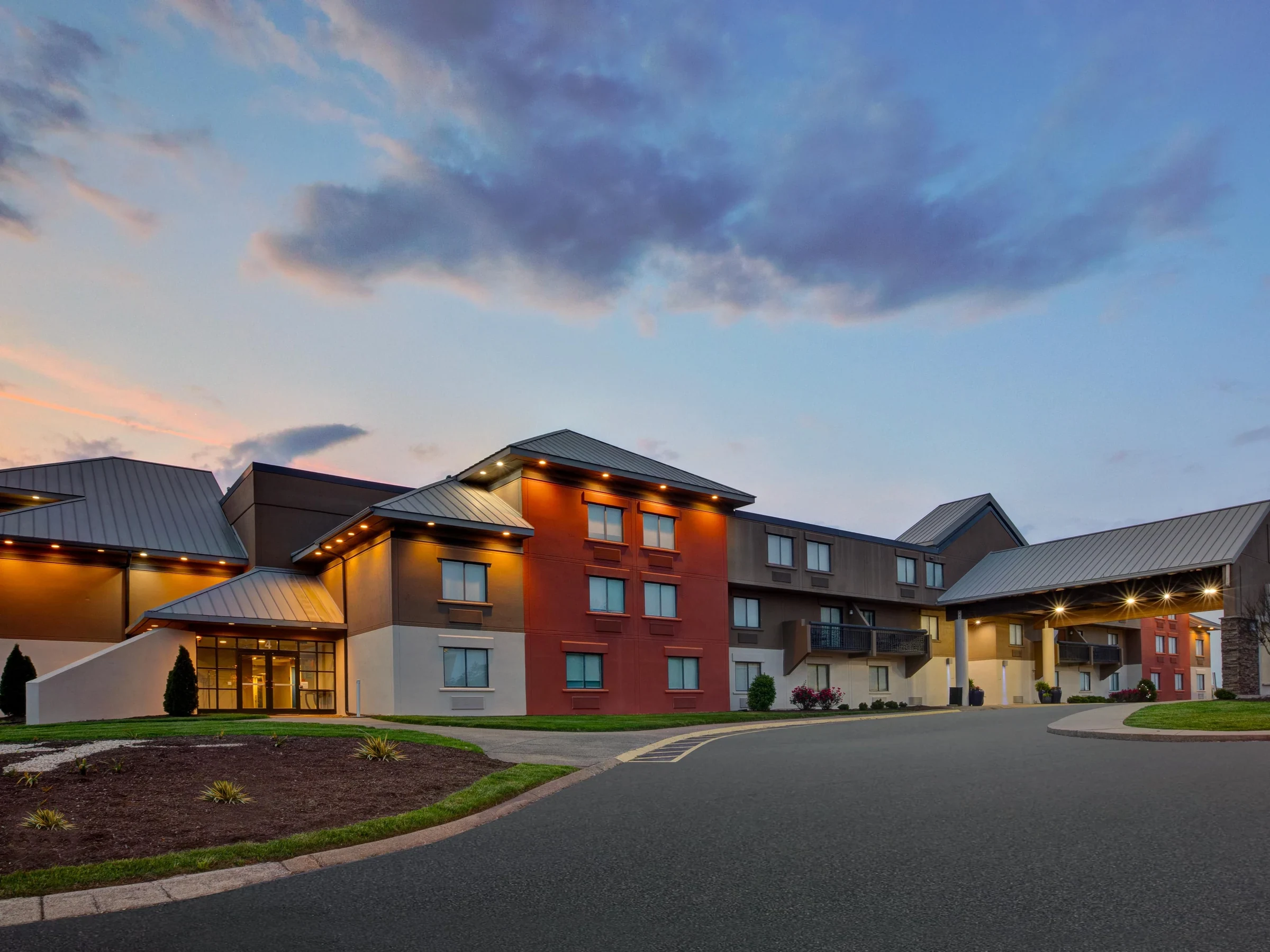
Hotel and Hospitality Roofing in Ontario, CA
Hotel roof replacement and repair pricing near Ontario Airport and the Toyota Arena convention corridor. Guest-occupied phasing budgets.