
Hotel and Hospitality Roofing in Ontario, CA
Re-Roofing a Hotel While Rooms Below Stay Booked
The hotel corridor around Ontario International Airport and the convention center and Toyota Arena district runs at high occupancy most weeks of the year, driven by air travel connections and event traffic. A hotel roof project has to work around guests sleeping, meeting rooms in use, and pool decks open, which changes both the schedule and the price compared with a vacant commercial building.
Multiple Roof Types on One Building
Unlike a single flat-roof warehouse, most hotels in this market combine two or three roof types on one structure: a low-slope membrane over the guest room wings, a steeper architectural shingle or tile mansard treatment facing the street for curb appeal, and a separate flat section over the porte-cochere, pool cabana, or meeting space addition. We price each roof type separately rather than blending them into one number, since a steep mansard reroof runs on a completely different cost basis, typically $6.00 to $11.00 per square foot for architectural shingle depending on pitch and access, than the $6.50 to $10.00 per square foot range for a mechanically attached TPO recover on the flat sections.
Noise Curfews Are the First Line on Every Hotel Schedule
Guests paying for a night's stay do not expect fastener guns starting at 7 a.m. above their room. We build every hotel schedule around a confirmed quiet window, typically no loud work before 9 a.m. or after 6 p.m. directly above occupied guest floors, with louder tear-off activity concentrated over unoccupied wings or during confirmed low-occupancy weeks the hotel's revenue manager identifies in advance. That constraint alone can stretch a project timeline by 30 to 50 percent versus an unoccupied building, and we price the extended schedule into the bid rather than treating it as a change order once the client complains about noise.
Pool Deck and Amenity Roof Considerations
Pool cabana structures and covered amenity decks common at hotels along the Ontario Airport corridor take a specific kind of abuse: chlorine off-gassing that can degrade certain membrane adhesives faster than a standard roof sees, plus high foot traffic from maintenance staff servicing pool equipment. We spec a chemical-resistant membrane adhesive system on any roof section within about 30 feet of an open pool deck and add a mechanically fastened walkway pad along the primary maintenance access route to protect the membrane from repeated foot traffic wear.
What a Hotel Re-Roof Costs
Budget planning figures for a flat-roof guest wing section: mechanically attached 60-mil TPO recover runs $6.50 to $9.50 per square foot including guest-floor noise-abatement scheduling. Full tear-off and replacement runs $10.50 to $15.00 per square foot. Steep-slope architectural shingle sections facing the street run separately, typically $6.00 to $11.00 per square foot depending on pitch, tear-off layers, and staging access from the ground given limited setback in dense hotel corridor development.
Coordination Points That Determine the Real Schedule
- Confirmed low-occupancy weeks from the hotel's revenue calendar, since event traffic tied to the convention center and Toyota Arena creates predictable high-occupancy spikes
- Fire alarm and sprinkler system coordination for any penetration near guest corridors, which typically requires a temporary fire watch during system bypass
- Elevator and material hoist access that does not conflict with guest luggage traffic during check-in and check-out hours
- Pool and amenity deck closures, scheduled around the property's own reduced-use season rather than assumed year-round
- Exterior scaffolding or lift staging that maintains a clear, marked path for guests and doesn't block main entrance sightlines
Missing any of these on the schedule usually surfaces as a guest complaint escalated to hotel ownership mid-project, which is the kind of disruption a hospitality client remembers longer than the invoice.
Recover Versus Replace on an Older Airport-Corridor Property
A number of the hotels along the ONT corridor were built in the 1990s and early 2000s, and their original built-up or modified bitumen roofs are approaching or past typical service life. Where the deck scans dry and structurally sound, we typically recommend a recover to minimize disruption to a running hotel, since a tear-off requires more extensive interior protection for the guest floors below and a longer schedule. Where moisture has migrated into the insulation, usually visible first as interior ceiling staining in top-floor guest rooms, tear-off is the only real fix, and we sequence it wing by wing to keep as much of the property bookable as possible throughout.
Frequently Asked Hotel Roofing Questions
Can guests stay in the hotel during a re-roof?
Yes, on almost every project we handle in this corridor. We phase work by wing, respect confirmed quiet hours over occupied floors, and coordinate directly with hotel management on which sections to prioritize based on booking patterns.
How do you handle roof work during a convention or event weekend?
We do not schedule active work during confirmed high-occupancy weeks tied to Toyota Arena or convention center events. The hotel's revenue manager typically has that calendar six months out, and we build the project schedule around it before mobilizing.
Does the pool deck need to close during roof work above it?
Only the specific section under active work, and typically for the duration of that phase rather than the whole project. We coordinate closure timing with the property to minimize impact on scheduled pool hours.
What causes ceiling stains in top-floor guest rooms?
Most often it traces to a failed flashing detail, a penetration at a rooftop mechanical unit, or aging membrane at a parapet termination rather than a failure in the open field. We always trace the actual leak path with a moisture scan before recommending a broader repair scope.
Is a steep mansard section priced the same as the flat roof?
No, and we price them as separate line items. Steep-slope shingle work has different material costs, safety requirements, and crew productivity rates than low-slope membrane work, and blending them into one number hides where the money actually goes.
Related
Ready to review the roof scope?
Request a Roof AssessmentProject List
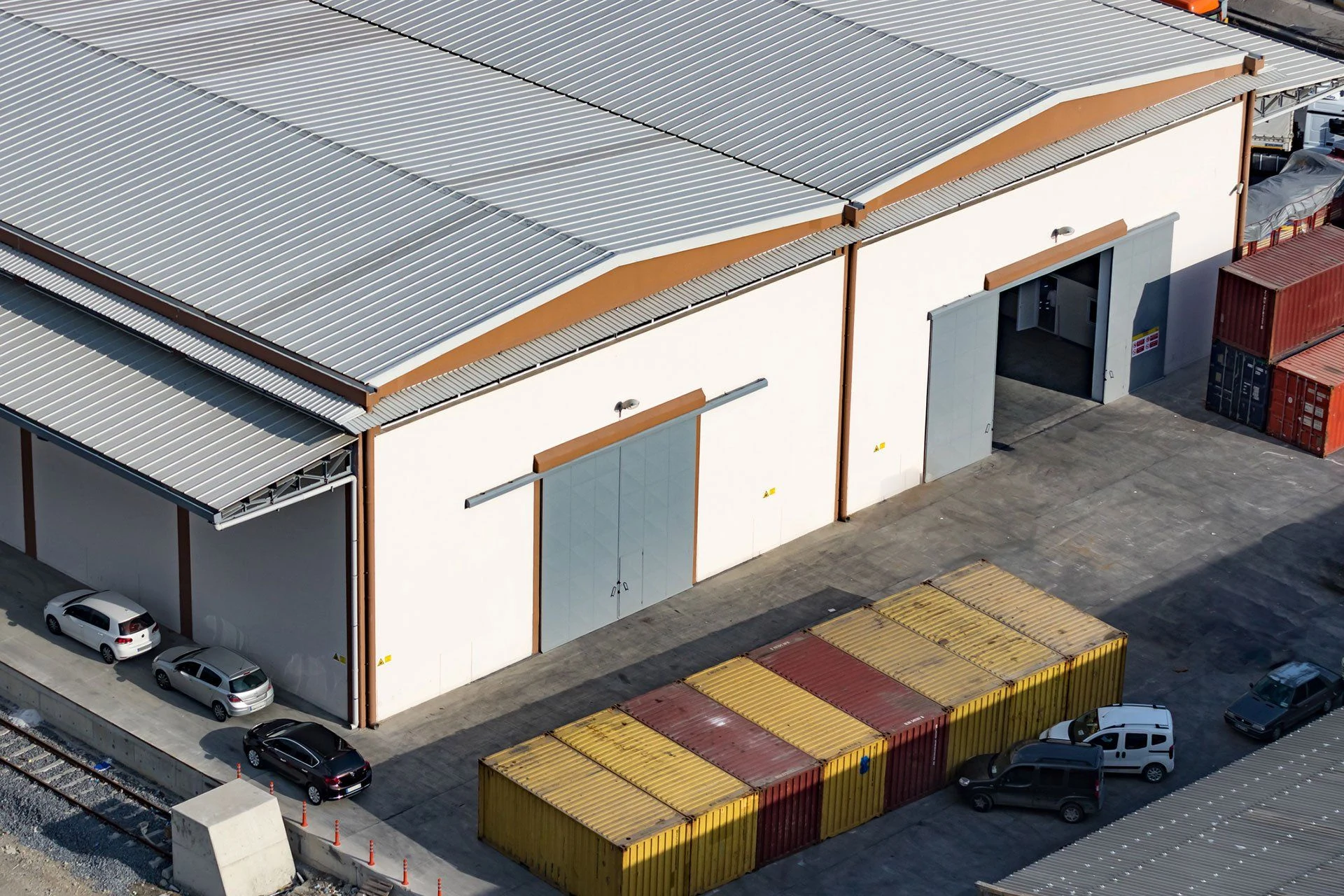
Warehouse Roofing in Ontario, CA
Warehouse roof replacement, recover, and maintenance pricing for Ontario, CA. Budget numbers for TPO, coatings, and tear-off on Inland Empire big-box roofs.
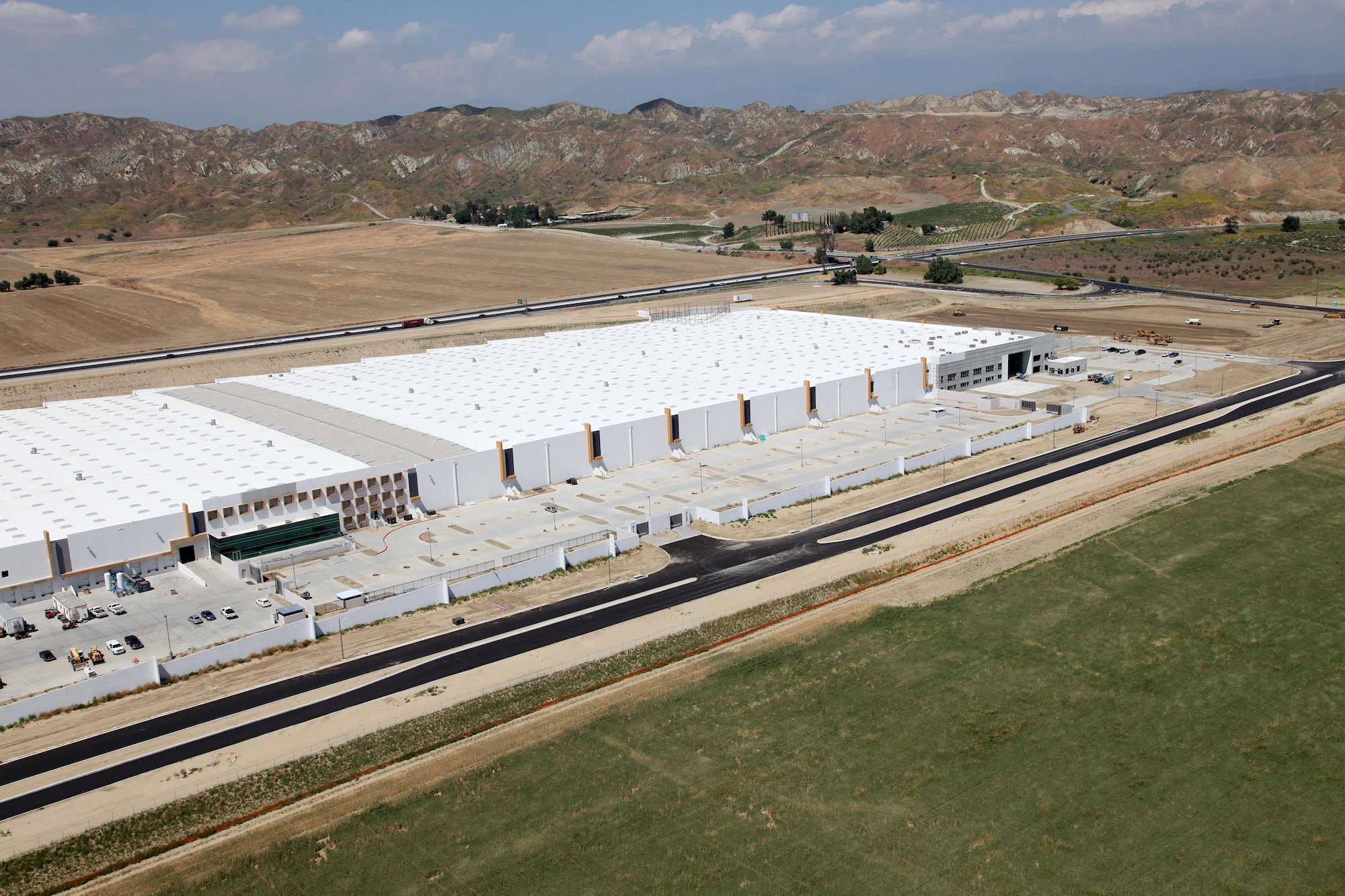
Distribution Center Roofing in Ontario, CA
Roofing for distribution and fulfillment centers around Ontario International Airport. Phased re-roofs, leak response, and per-square-foot budgets for 24/7 hubs.
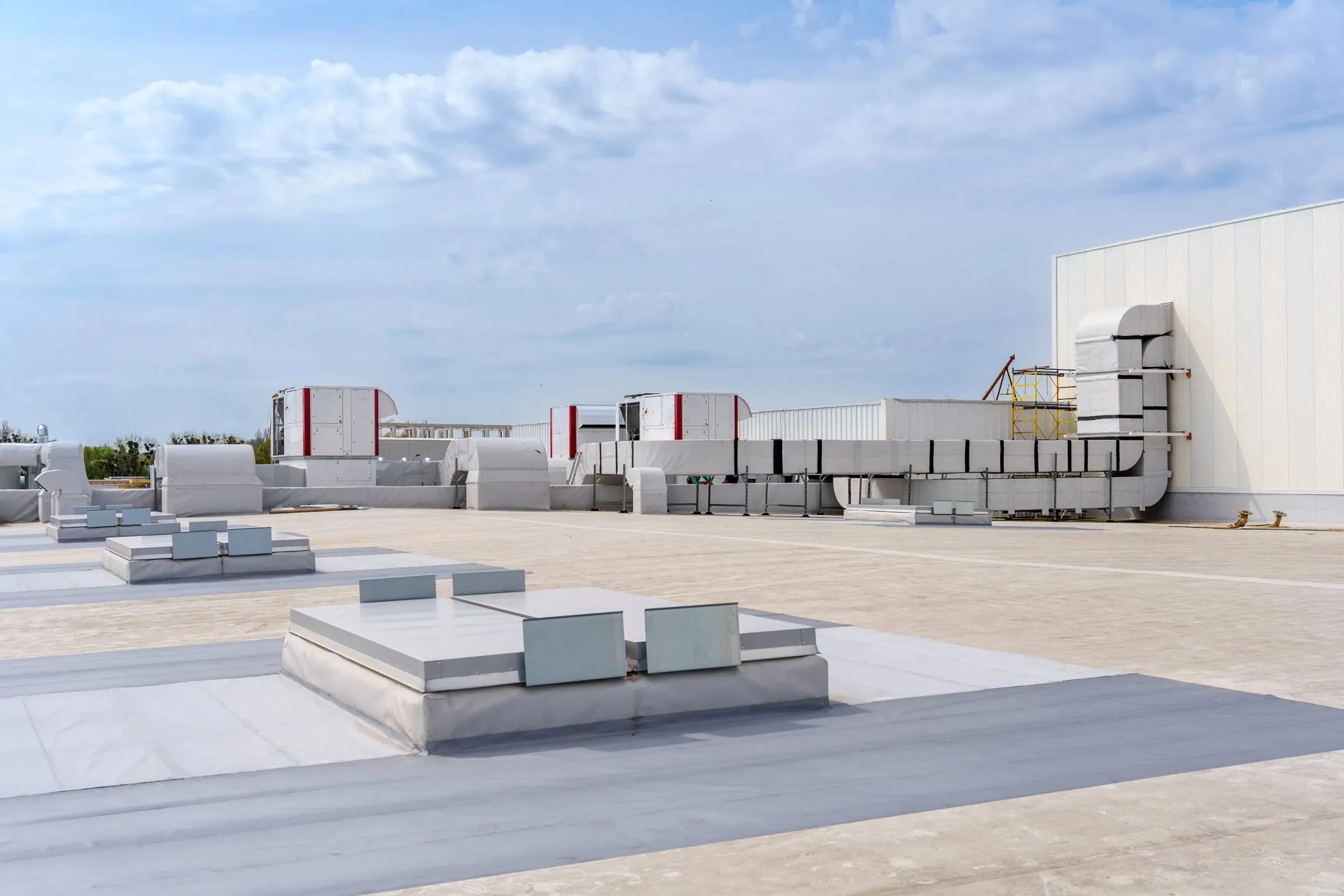
Manufacturing Plant Roofing in Ontario, CA
Manufacturing and industrial plant roof pricing for Ontario, CA. Spark-resistant membranes, rooftop equipment loads, and hot-work fire.
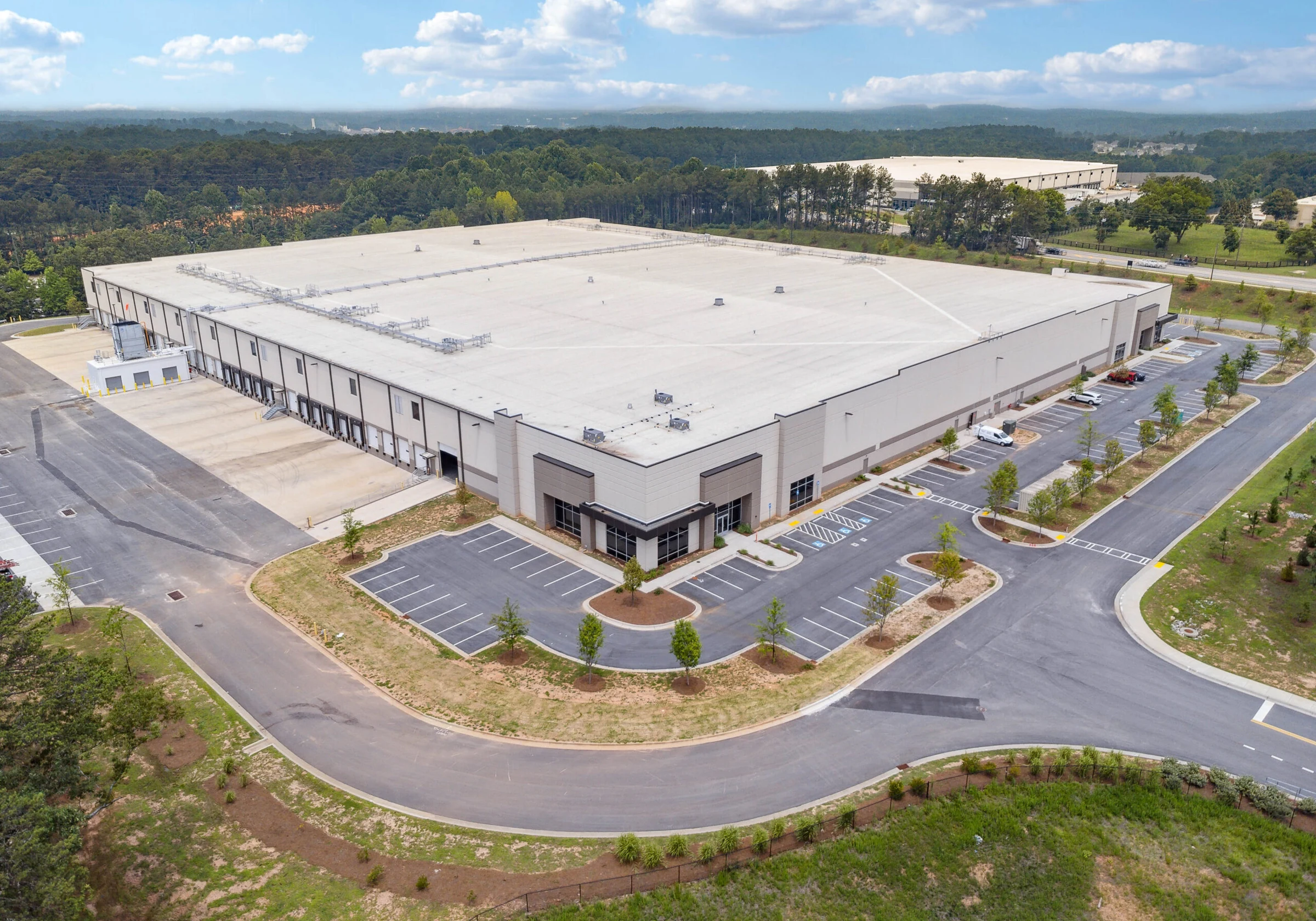
Cold Storage Roofing in Ontario, CA
Cold storage and freezer roof pricing for Ontario, CA. Vapor barrier design, R-value, and condensation control budgets for Inland Empire cold chain buildings.
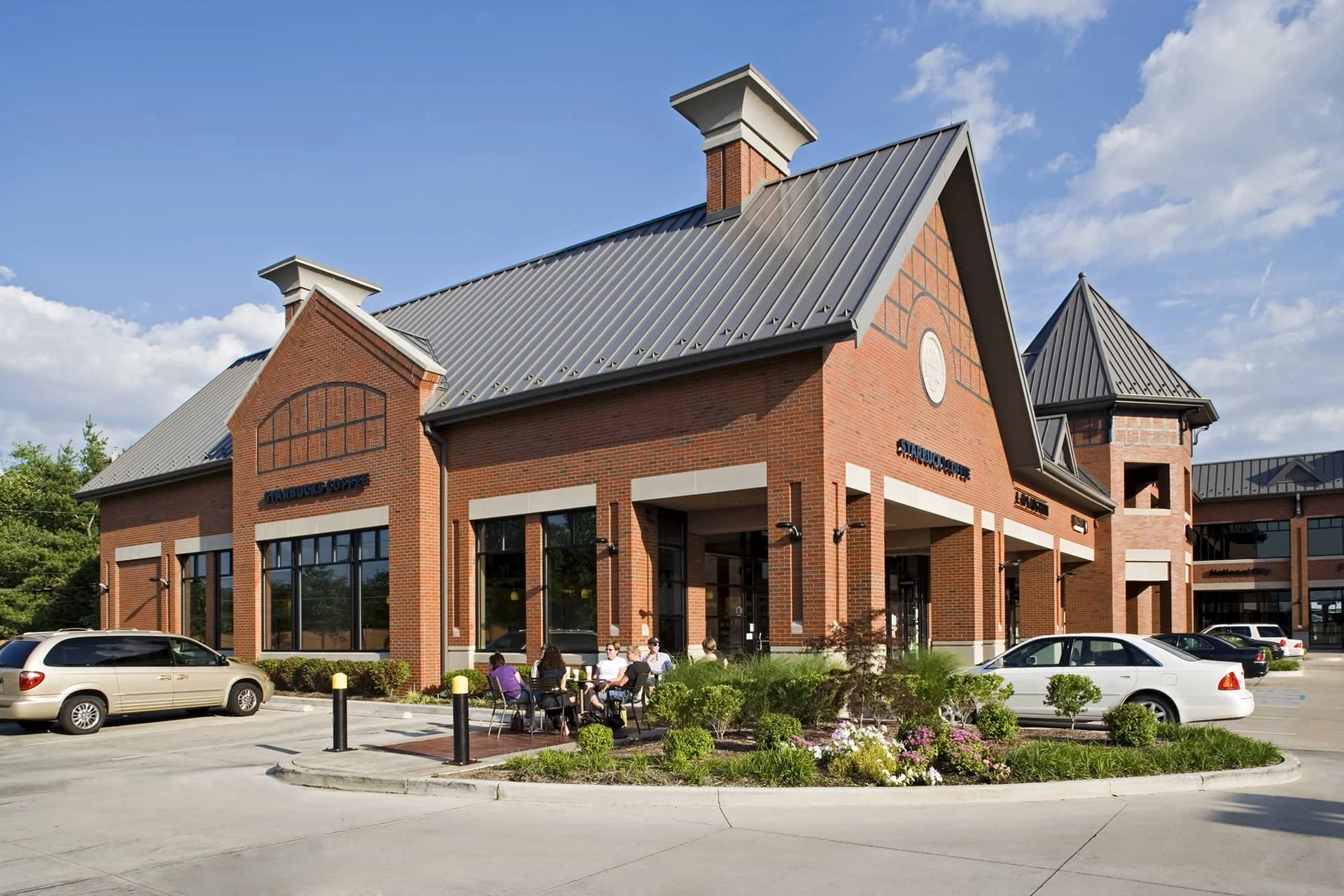
Big-Box Retail Roofing in Ontario, CA
Big-box retail roof budgets for Ontario Mills, Montclair Place, and Inland Empire anchor stores. Occupied-store phasing and recover pricing.
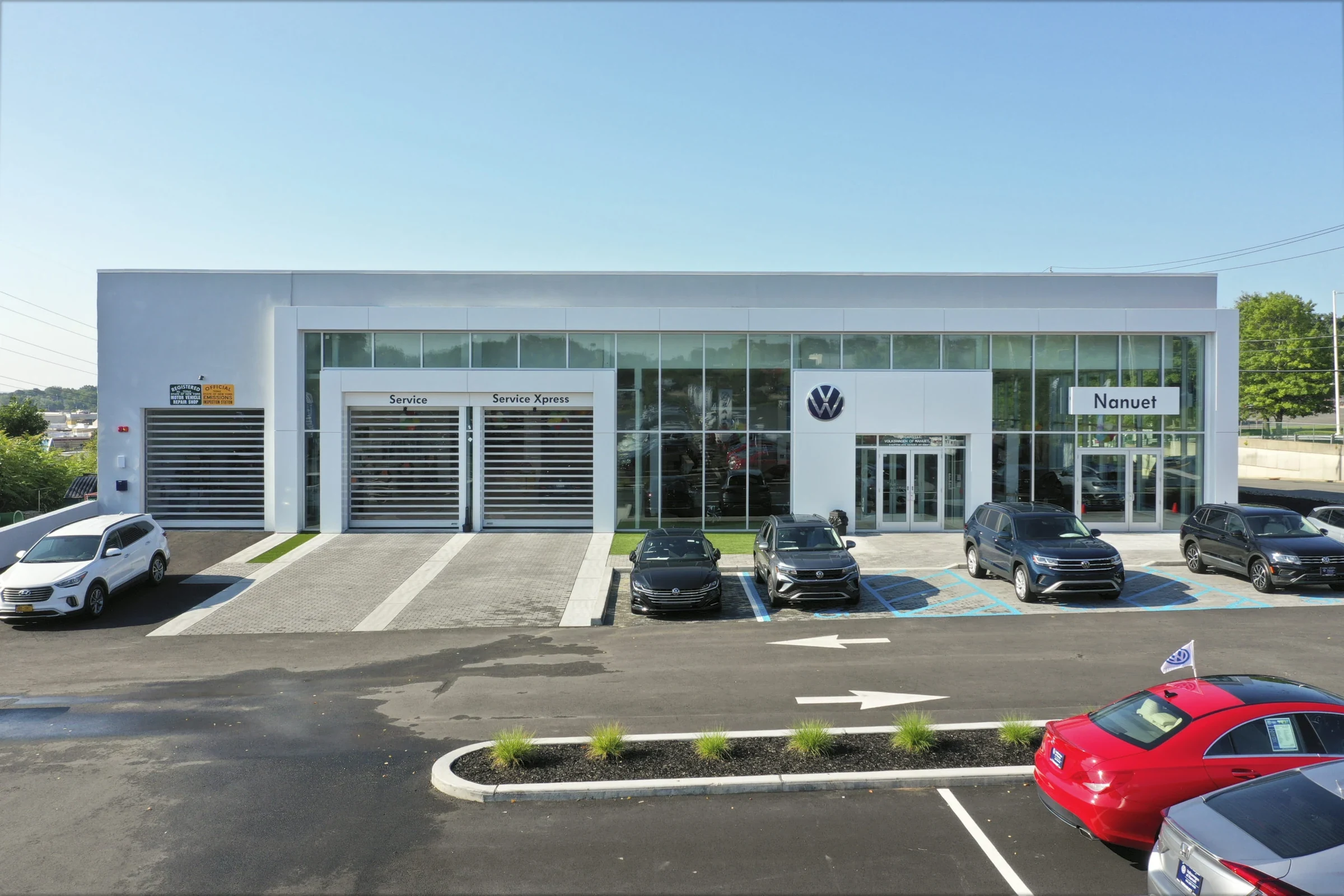
Auto Dealership Roofing in Ontario, CA
Dealership showroom and service-bay roof pricing for the Ontario Auto Center and Inland Empire dealer corridor. OEM image-program compliant budgets.
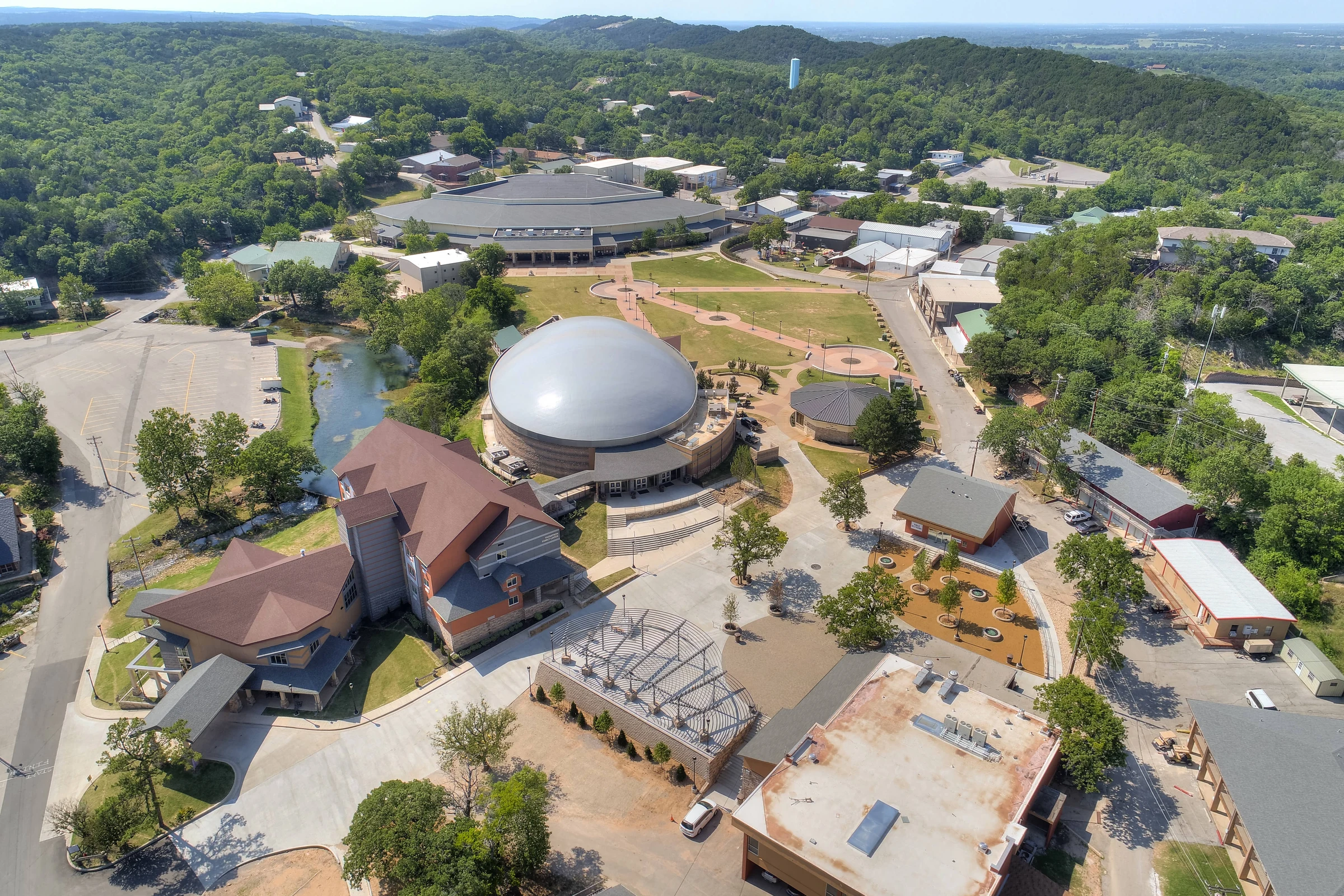
Event Venue Roofing in Ontario, CA
Arena, convention center, and large clear-span venue roof budgets for the Ontario and Fairplex Pomona corridor. Structural load and event-calendar scheduling pricing.
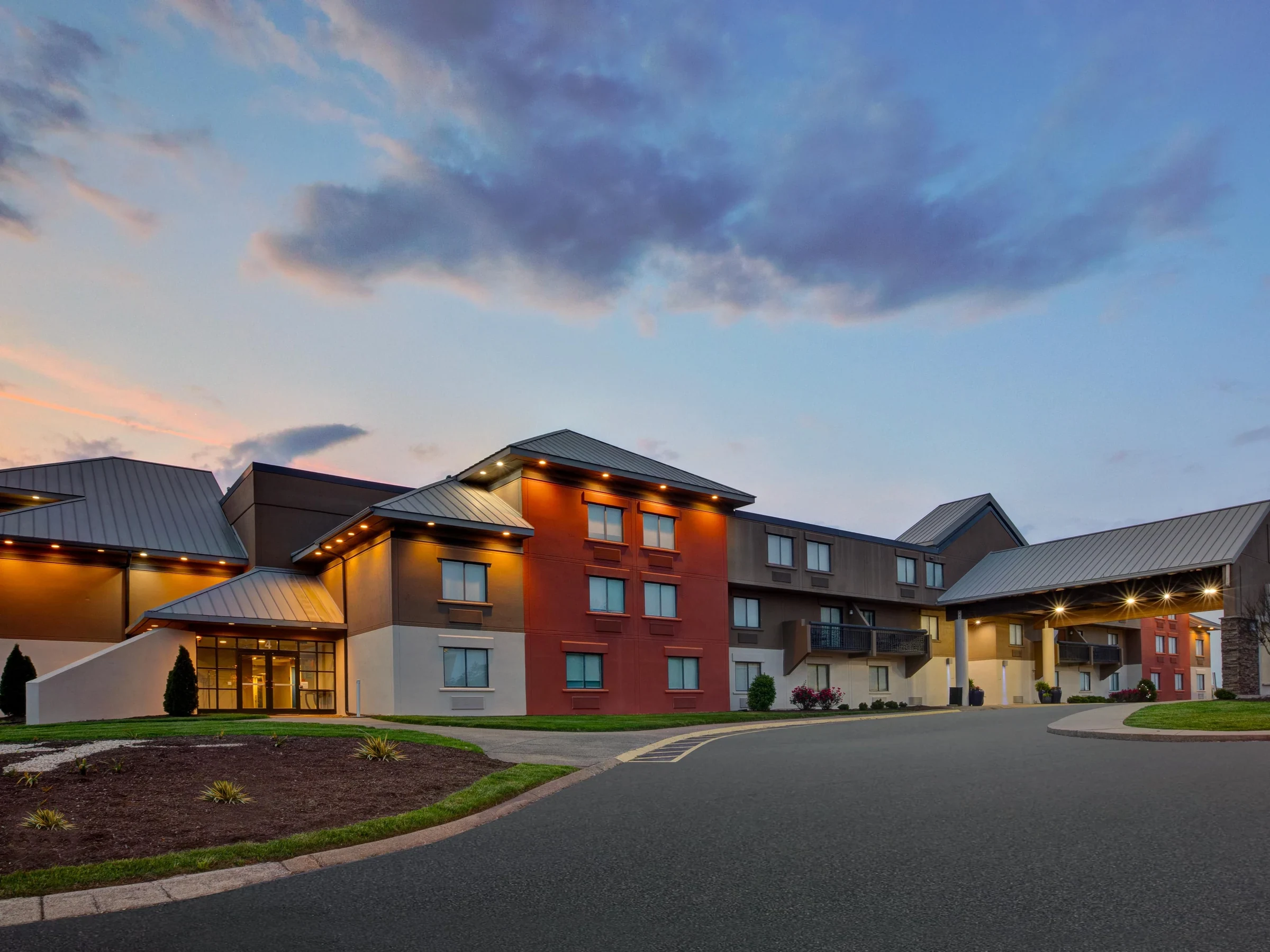
Hotel and Hospitality Roofing in Ontario, CA
Hotel roof replacement and repair pricing near Ontario Airport and the Toyota Arena convention corridor. Guest-occupied phasing budgets.