Commercial Roof Insurance Claims in Ontario, CA
Building the Scope an Adjuster Can't Discount
A commercial roof claim gets decided long before anyone signs off on a payout. It gets decided by what's on the roof deck the day someone finally climbs up there with a camera and a moisture meter. Warehouse and distribution buildings across Ontario carry some of the largest flat-roof square footage in the Inland Empire, and a thin damage report on a building that size almost always underpays the actual repair. We inspect, document, and put together the scope your adjuster works from , we're a roofing contractor, not a public adjuster, and the distinction matters for what we can promise you.
What a Commercial Roof Claim Actually Requires
A policy generally covers direct physical loss from a covered peril, but "covered" and "paid in full" are two different outcomes. The gap between them is usually documentation quality. An adjuster assigned to a large industrial roof may be handling claims across several unrelated property types in the same week, and a vague damage description gives them room to price conservatively. A specific one , tied to roof plan location, failure mode, and probable cause , gives them a number they can approve without a second visit.
Where Ontario's Warehouse Stock Complicates a Claim
Ontario sits inside one of the largest industrial and logistics corridors in the country, built up around Ontario International Airport and the freight lanes that feed it. Most of that building stock is low-slope TPO or a modified bitumen recover over an older built-up roof, installed at a scale where a single membrane run can cover several acres. A roof that size doesn't fail uniformly. Damage clusters around parapet edges, HVAC curbs, and drain sumps, while the field membrane in between can look untouched from a walk-through. A claim scope that treats the roof as one uniform surface instead of mapping where the actual failures sit is the kind of scope an adjuster's own field inspector will challenge.
Documenting Damage Before the Adjuster Ever Sees the Roof
Our inspection starts with a full roof-level survey: photos keyed to a roof plan, moisture readings where membrane integrity is in question, and measurements of anything displaced, torn, or punctured. We date every photo and note the conditions at the time of the loss where they're known, because a gap of several weeks between the storm event and the first documented photo is exactly the gap an adjuster uses to argue the damage happened some other way, or gradually. That record becomes the base document for everything that follows , the estimate, the adjuster meeting, and any supplement request if the first number comes in short.
Meeting the Adjuster on the Roof
We walk the roof with the adjuster whenever the owner wants us present for that inspection. Having someone on-site who can point to the specific failure mode at each location , a torn seam versus a fastener backing out versus ponding-driven deterioration , keeps the conversation on the actual damage instead of a generic checklist. We answer technical questions about the roof assembly directly. What we don't do is negotiate the claim on the owner's behalf or represent their interests to the carrier; that's a licensed public adjuster's role, and we're careful not to blur that line even when it would be faster to.
Framing the Complete Scope: Code Upgrades and Matching
A repair scope that only replaces exactly what failed often misses two categories most policies do address in some form: code-required upgrades triggered by the repair itself, and matching costs when a partial replacement leaves a visibly different membrane color or texture next to the original. Local building code may require a section of an aging edge detail to be brought up to current wind-uplift standards once it's opened up for repair, even if the original detail wasn't itself storm-damaged. We itemize those items separately from the direct damage so the adjuster can see exactly why each line exists, rather than lumping everything into one number that looks inflated at first glance.
When a Claim Comes Back Denied or Underpaid
A denial or a lowball estimate usually traces back to one of a few causes: the carrier's field inspector missed damage that wasn't visible from their vantage point, the cause of loss was disputed as pre-existing wear rather than a covered event, or the estimate software used a residential unit price that doesn't reflect commercial low-slope costs. In any of those situations, we can go back onto the roof, document what the first inspection missed, and produce a supplemental scope with the same level of specificity as the original. We provide that documentation to support the owner's request for reconsideration. We don't guarantee a specific outcome, because the carrier's decision ultimately depends on policy language and adjuster judgment we don't control.
Repair vs. Replacement: How the Scope Decision Gets Made
Not every storm-damaged roof needs full replacement, and a scope that pushes replacement when a targeted repair would restore the roof's function doesn't hold up under review any better than one that underscopes real damage. We base that call on the roof's actual condition: remaining membrane life, the extent of the damaged area relative to total roof size, and whether repeated storm cycles have left a pattern of failure that a spot repair won't resolve. That assessment goes into the same report the adjuster sees, so the repair-versus-replace recommendation is grounded in roof condition rather than in what pays out more.
California's Property Insurance Market, in Plain Terms
Commercial property coverage in California has tightened over the past several years, with some carriers pulling back capacity and underwriting scrutiny increasing on older roofs and buildings with prior claim history. That environment makes a well-documented claim more valuable than it used to be , carriers that are managing exposure more carefully also tend to scrutinize thin documentation more closely. None of that changes what we do: we're not licensed to sell or advise on insurance products, and any question about coverage terms, deductibles, or policy language belongs with the owner's broker or carrier. Our role stays fixed to the roof itself.
Insurance Claim Questions Ontario Property Owners Ask
Does insurance cover roof replacement?
It can, when the damage traces to a covered peril and the policy's terms are met, but coverage decisions are made by the carrier based on the specific policy. We document the roof condition and cause of damage; we don't interpret or guarantee coverage.
What does the claim process typically involve on a commercial roof?
Generally: the loss is reported to the carrier, an adjuster is assigned, the roof is inspected, and an estimate is produced. We support the documentation and adjuster-meeting steps in the middle of that process with a scope built from our own roof-level survey.
What happens if our claim gets denied?
We can reinspect and document anything the original review may have missed, and provide that record to support a request for reconsideration. The carrier makes the final determination.
Should we repair or fully replace a storm-damaged roof?
That depends on the roof's remaining life and the extent of the damage relative to the whole roof. We include that assessment in our report so the decision is based on actual roof condition.
Will you negotiate directly with our insurance company?
No , that's the role of a licensed public adjuster or the owner's broker. We document and substantiate the roof damage so you and your adjuster are working from an accurate, complete scope.
How long does documentation take on a large warehouse roof?
It depends on roof size and how many areas show damage, but a large distribution building generally takes longer to survey than a small retail roof simply because there's more field and more edge to walk.
We're your roofing contractor, not a public adjuster , we document and substantiate the roof damage so you and your adjuster work from an accurate scope.
Related
Ready to review the roof scope?
Request a Roof Assessment
Project List
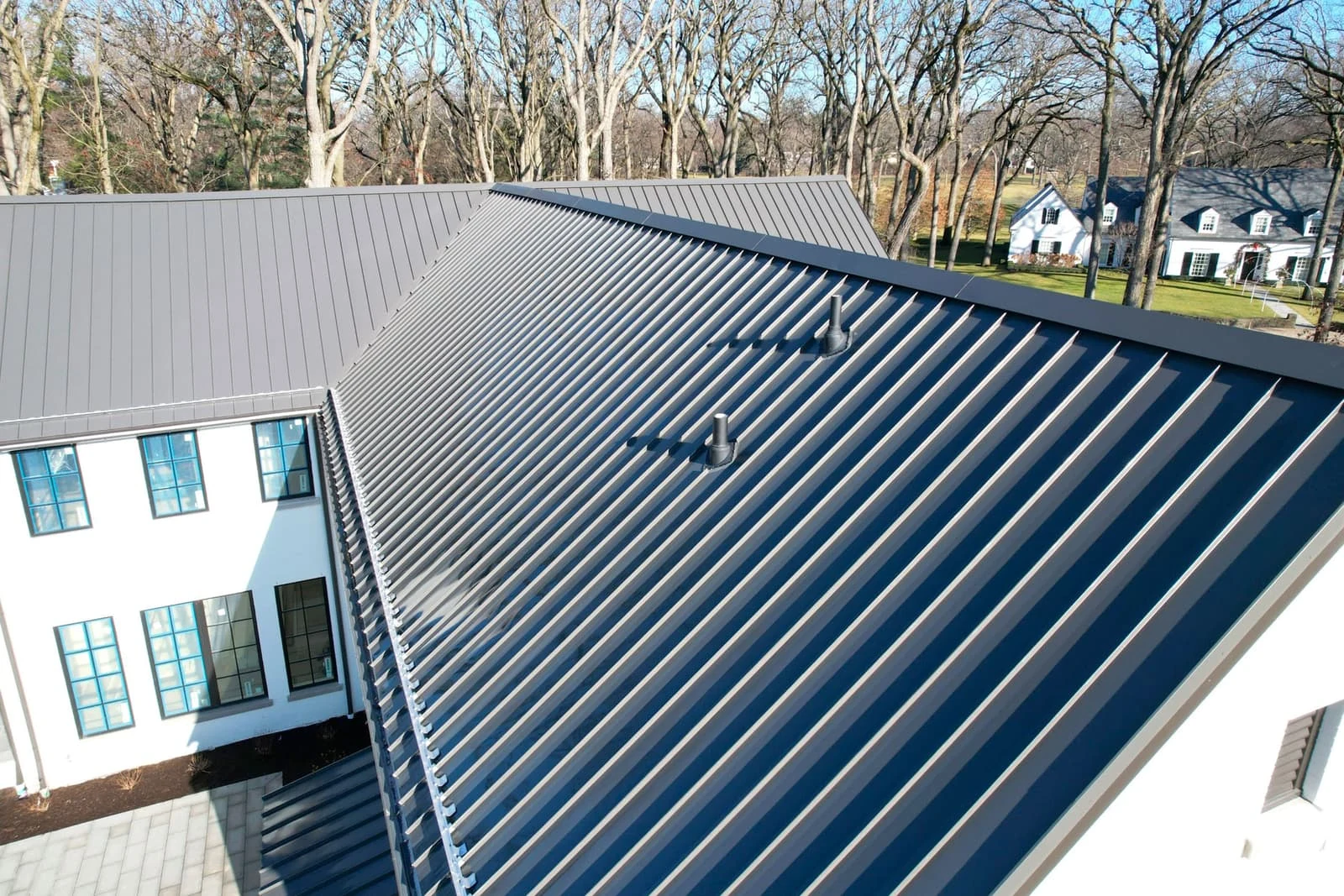
Commercial Roof Inspections & Reports in Ontario
Commercial roof inspections and condition reports in Ontario covering membrane, seams, flashings, drainage, penetrations, moisture indicators, photos, and next steps.
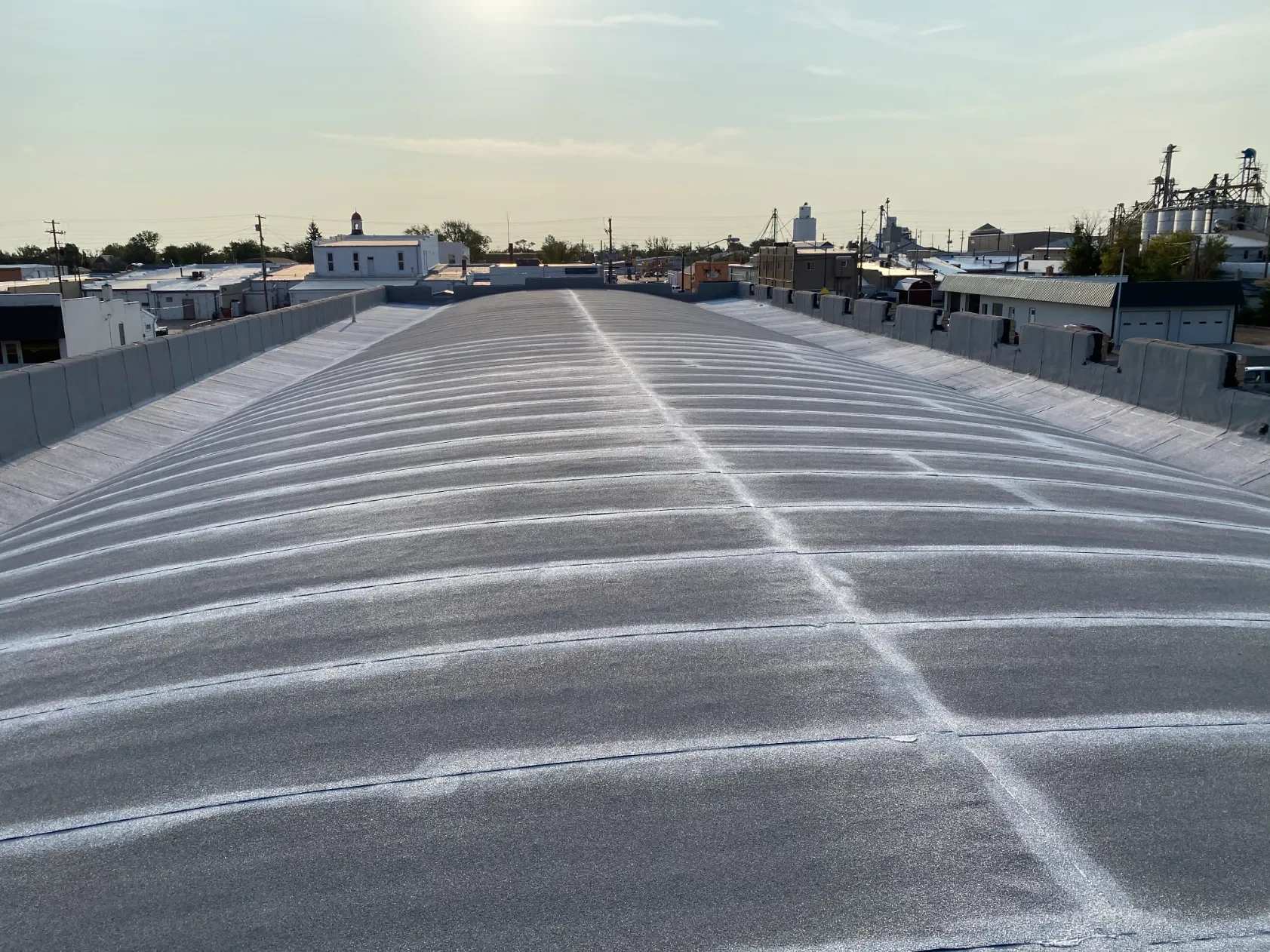
Commercial Roof Repair in Ontario
Commercial roof repair in Ontario with leak investigation, documented repair boundaries, emergency stabilization, and planned corrective work.
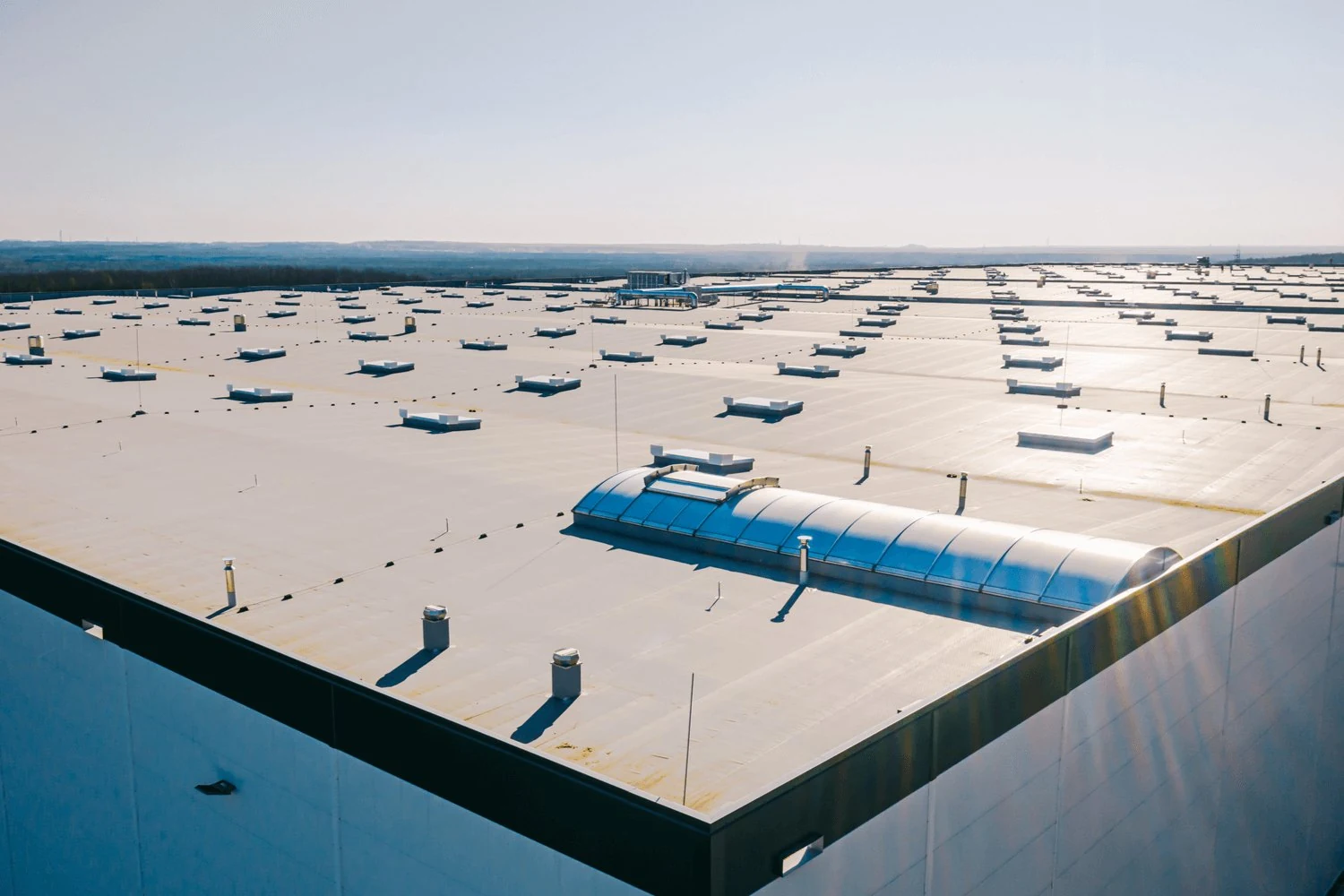
Commercial Roof Replacement in Ontario
Commercial roof replacement in Ontario with clear tear-off or recover scopes, system options, phasing, budgeting, and closeout documentation.
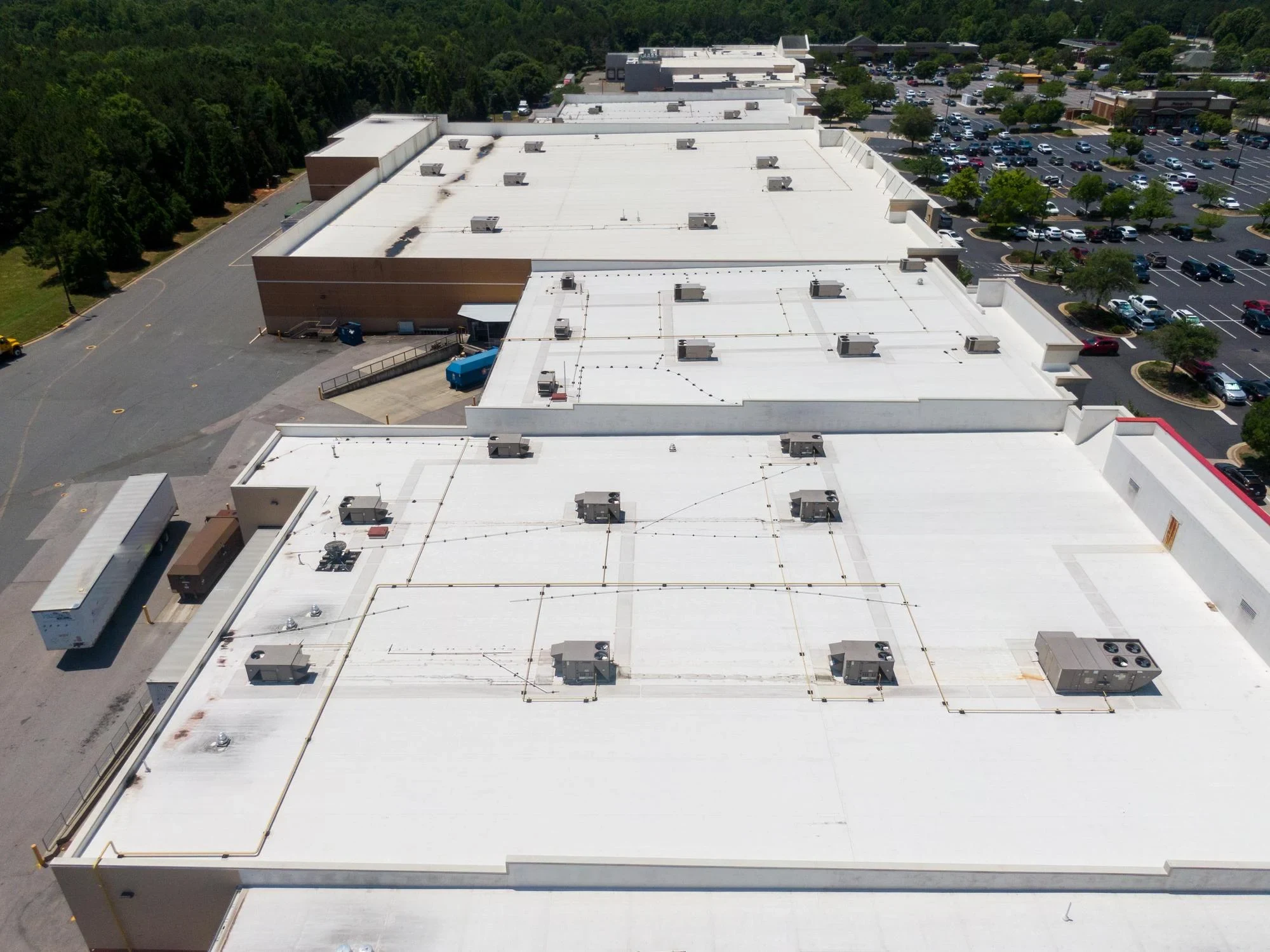
Commercial Reroofing in Ontario, CA
Commercial reroofing for Ontario, CA warehouses, retail, and airport hotels. Recover vs. replace math, Title 24 cool roof rules, and per-square-foot budgets.
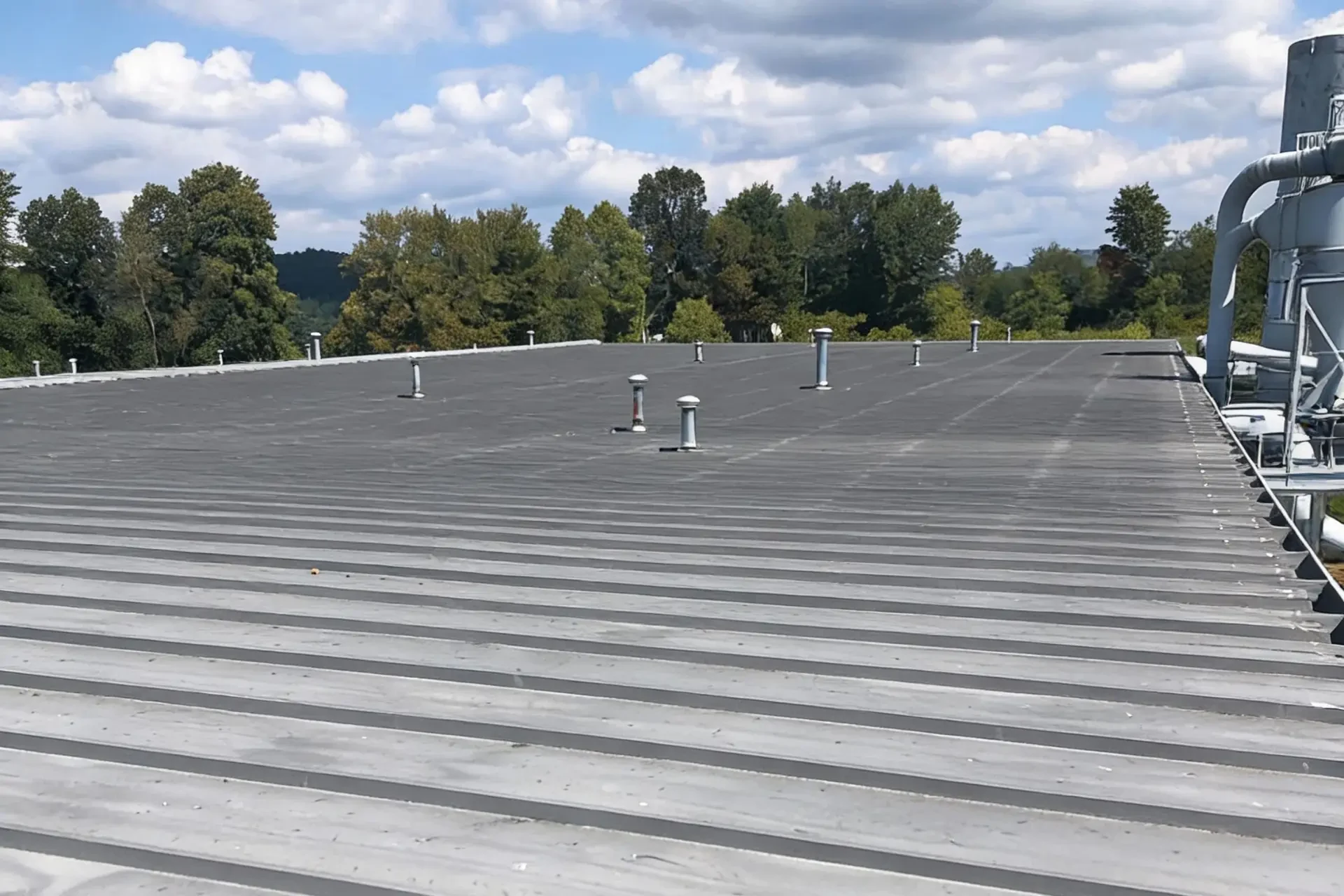
Commercial Roof Maintenance Programs in Ontario
Commercial roof maintenance programs in Ontario with scheduled inspections, drain and detail service, repair tracking, photos, and budget priorities.
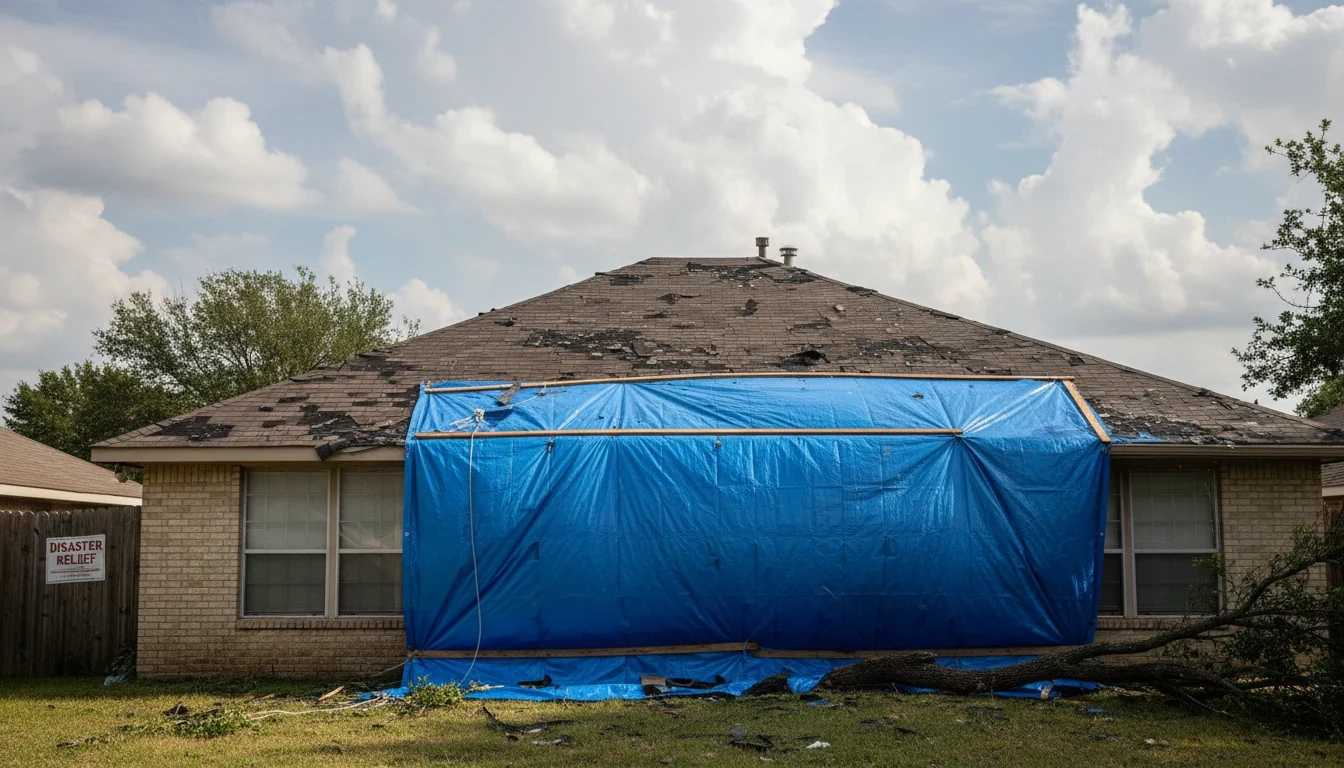
Emergency Tarp and Dry-In Service in Ontario, CA
Emergency roof tarp and dry-in service for Ontario, CA warehouses and distribution centers. Mobilization pricing and what stops active water fast.
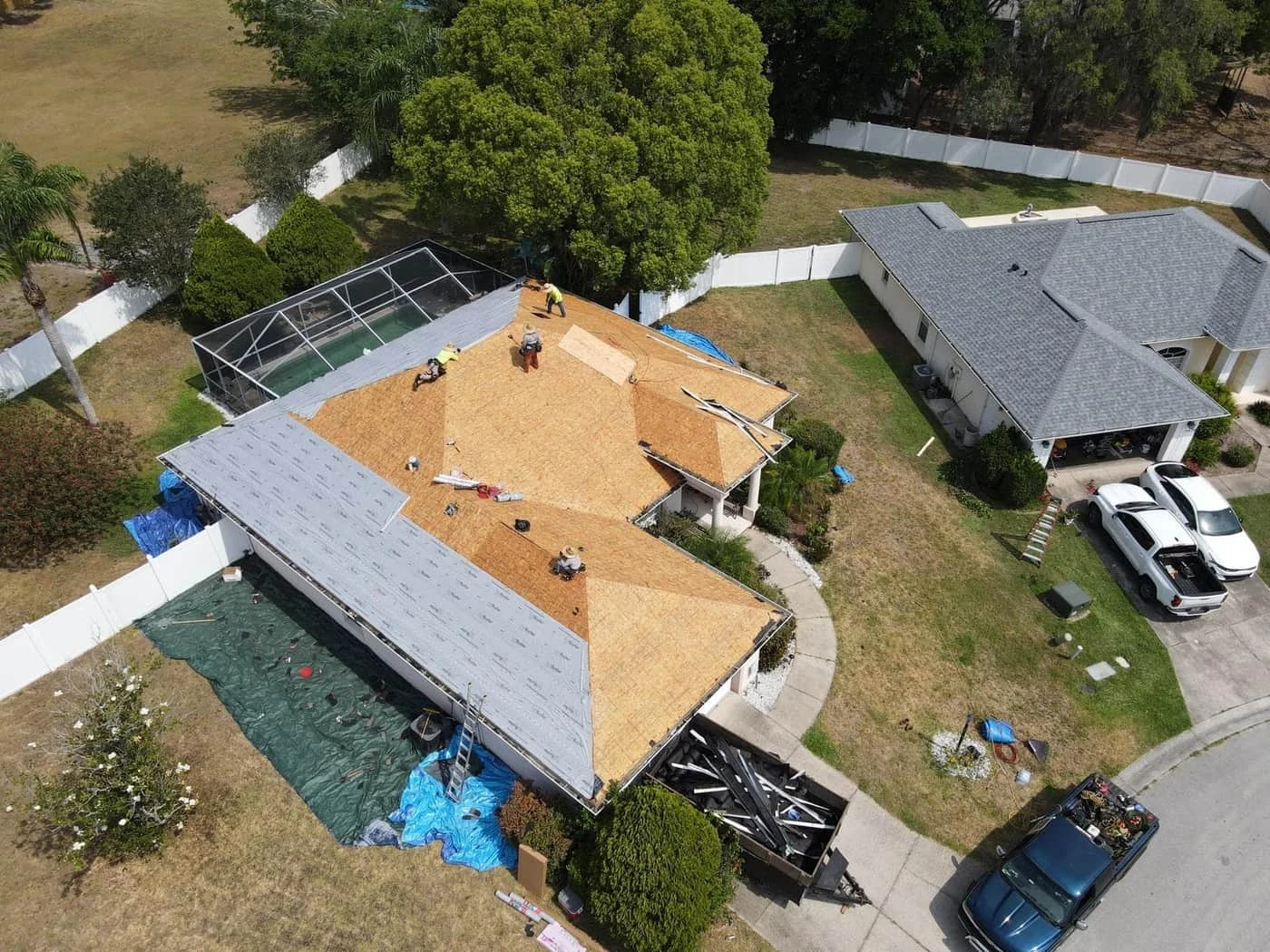
Storm Damage Roof Repair in Ontario, CA
Storm damage roof repair for Ontario, CA buildings hit by Santa Ana wind or winter rain events. Documented damage scopes and realistic repair budgets.
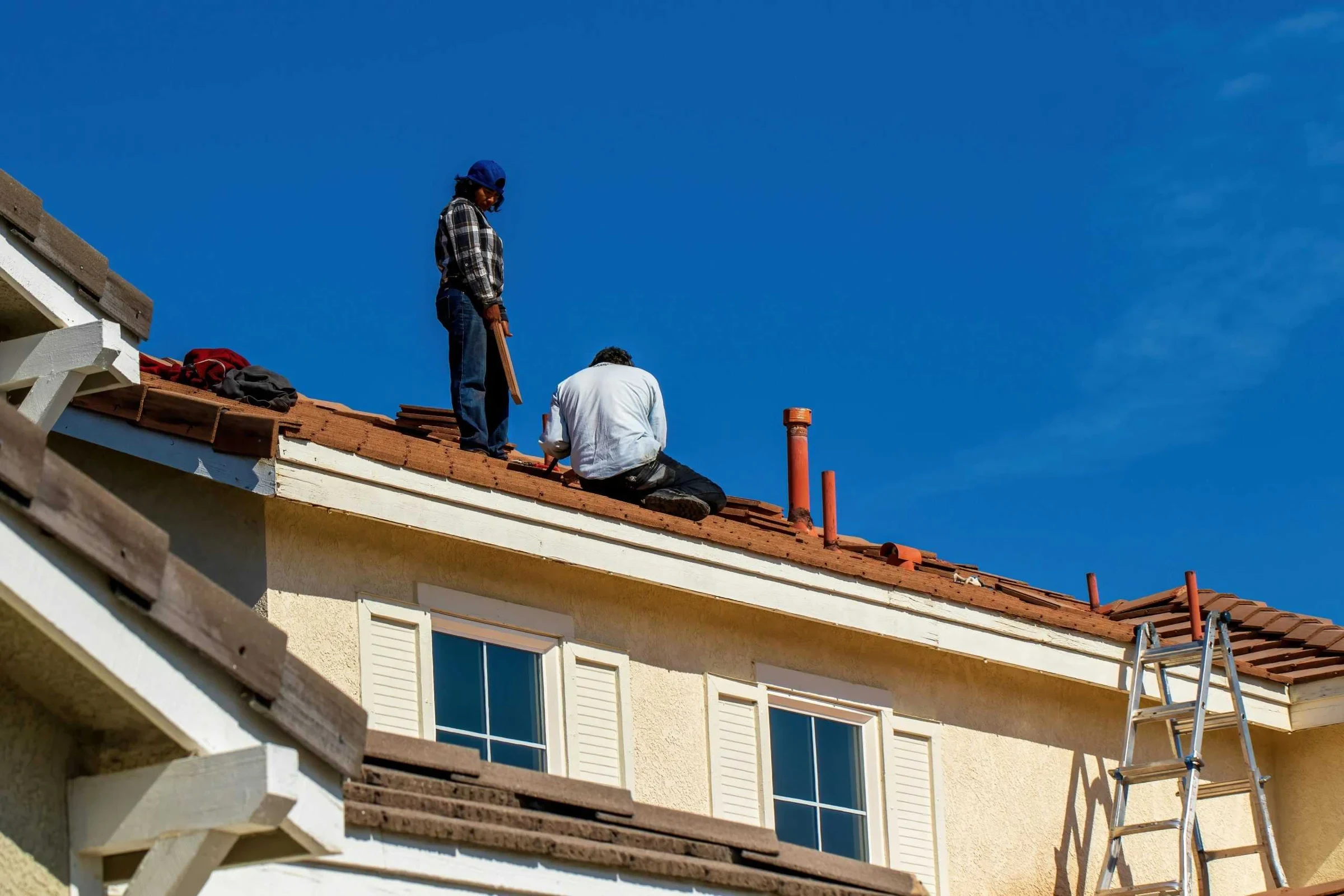
Roof Recover & Overlay in Ontario, CA
Roof recover and overlay for Ontario, CA warehouses. Moisture survey criteria, the two-covering code limit, and the real cost-per-square-foot math against tear-off.